
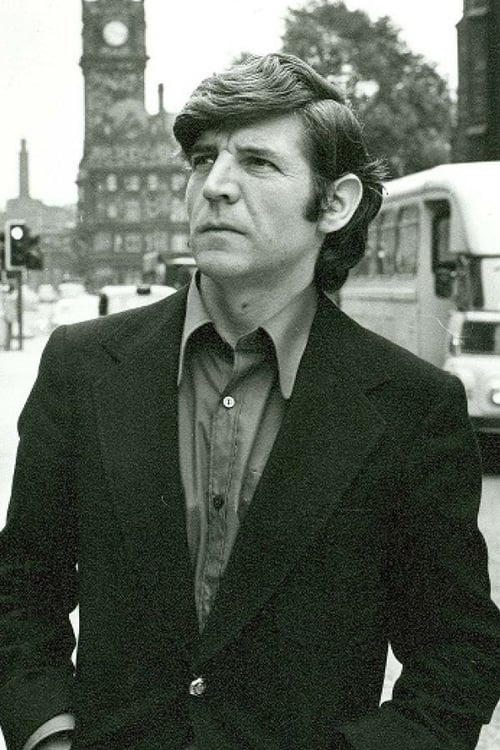
Bill Douglas
Directing
Born 1934-04-17
Died 1991-06-18
Scotland, UK
22 credits
Read biography
William Gerald Forbes (Bill) Douglas was a Scottish film director best known for the trilogy of films about his early life. Having been interested in film-making all his life, in 1968 Douglas enrolled at the London International Film School, where he wrote the screenplay for a short autobiographical film called Jamie. After initial difficulties in finding support for the project, he eventually found a champion at the British Film Institute in the newly appointed head of Production, Mamoun Hassan, who secured funding on the basis that Jamie should form part one of a trilogy – echoing the great childhood trilogies of Ray and Gorki. The film was renamed "My Childhood", and its success on the international festival circuit paved the way for the second and third instalments of the trilogy of Douglas's formative years: My Ain Folk (1973) and My Way Home (1978). The Bill Douglas Trilogy recounts the harrowing experiences of a young boy, Jamie, growing up in crippling poverty: material and emotional impoverishment; terrible privations at the hands of his paternal grandmother; incarceration in a children’s home; living in a hostel for down-and-outs. Eventually the call-up for national service allows Jamie to find freedom through his friendship with Robert, a young middle class Englishman who introduces him to books and the possibility of a more optimistic and fulfilling future. The austere black and white images of the films embody a stillness and intensity reminiscent of silent cinema and this visual style is augmented by the equally spare and precise use of sound. Just as the stillness of the image forces the audience to look, so the relative silence encourages greater attention to specific sounds – boots scraping on asphalt, the chirping of birds and the timbre of voices – granting an emotional power lost in the aural bombardment characterising much contemporary cinema. The Trilogy gained a wealth of critical plaudits but Douglas struggled to raise financing for his next project, and was forced to find other ways of earning a living. Mamoun Hassan, the former head of BFI Production, invited him to teach at the National Film and Television School from 1978 and he proved to be an inspiring presence. Hassan was also able, in his role as director of the National Film Finance Corporation to help realise the project of Comrades, Douglas's film about the 'Tolpuddle Martyrs', six Dorset farm labourers who in 1834 were arrested and tried for forming a trade union and subsequently transported to Australia. Even so, the film did not appear until 1986, six years after the screenplay had been completed. Dubbed a 'poor man's epic', Comrades continues Douglas's interest in the perseverance of the human spirit in the face of material adversity. It also brings to the fore his fascination with the world of optics and image-making, through a number of references to various forms of Victorian optical entertainments such as the magic lantern, thezoetrope, the peep show and the camera obscura. The story itself is mediated by the character of an itinerant magic lanternist who reappears in a number of roles. Comrades was to be Bill Douglas's last film. He died of cancer and is buried in the churchyard of Bishop's Tawton in Devon.
Not enough member ratings yet.
Sign in to rate.
Filmography
Directing
14 credits
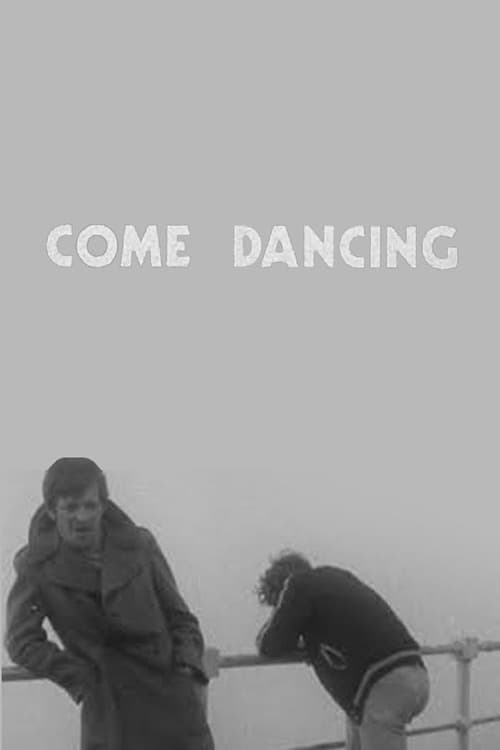
Come Dancing
Still Life
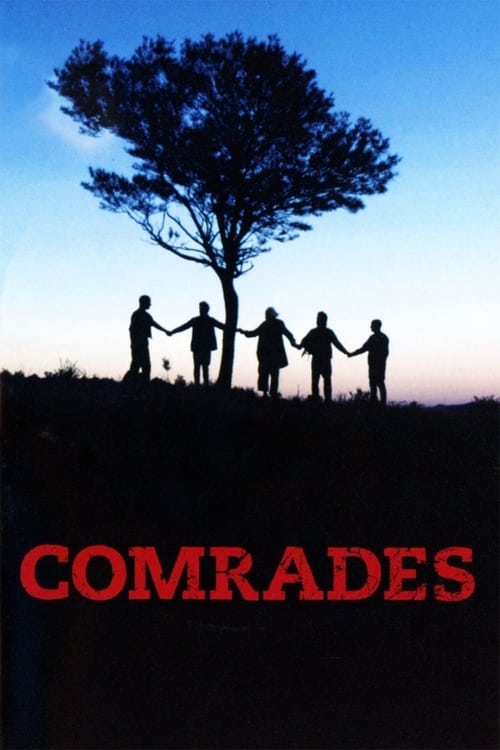
Comrades

The Party
Small World

My Way Home
Fever
Gracemary
Chekhov
Rousdon

My Childhood

My Ain Folk
Woman in the Park
The Water Cress File
Writing
7 credits
Acting
5 credits
The Younger Generation
Carry On Cleo
Sleepwalker
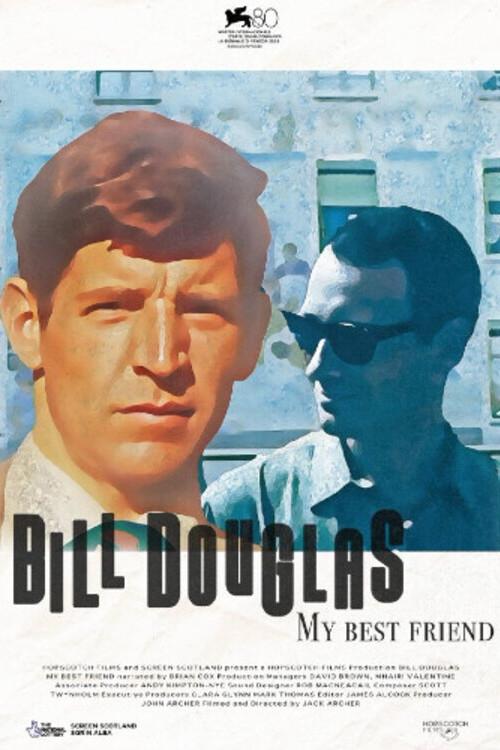
Bill Douglas: My Best Friend
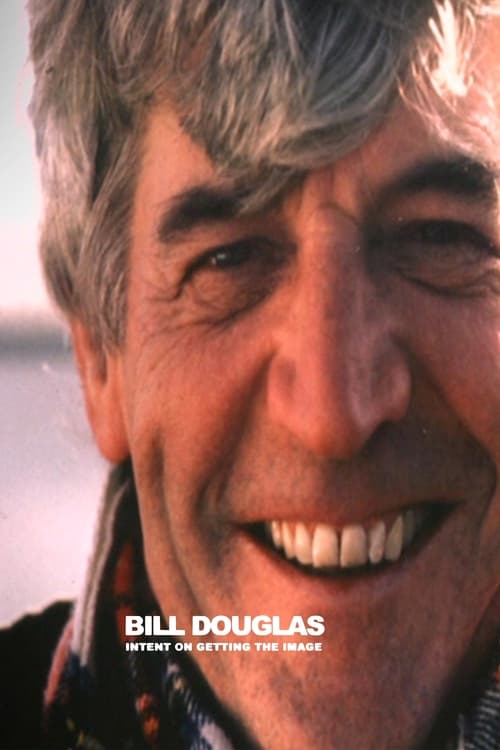
Bill Douglas: Intent on Getting the Image
Other credits
1 credit
Track what you watch
DuckTrack members see which of these they have already watched,
right here on this page.
Create a free account
Comments
0 commentsNo comments yet. Sign in to be the first.