

André Gide
Writing
Born 1869-11-22
Died 1951-02-19
Paris, France
14 credits
Nobel Prize in Literature 1
Goethe Medal for Art and Science 1
Grand Prize for the Best Novels of the Half-Century 1
Goethe Plaque of the City of Frankfurt 1
Awards
Won 1 Nobel Prize in Literature Award
Nobel Prize in Literature 1 won · 1 nominated
- 1947 Nobel Prize in Literature Won
- 1946 Nobel Prize in Literature Nominated
Goethe Medal for Art and Science 1 won
- — Art and Science Won
Grand Prize for the Best Novels of the Half-Century 1 won
- 1950 the Best Novels of the Half-Century Won The Counterfeiters
Goethe Plaque of the City of Frankfurt 1 won
- 1949 Goethe Plaque of the City of Frankfurt Won
Award data from Wikidata (CC0). Coverage may be incomplete.
Read biography
André Paul Guillaume Gide (22 November 1869 – 19 February 1951) was a French author whose writings spanned a wide variety of styles and topics. He was awarded the 1947 Nobel Prize in Literature. Gide's career ranged from his beginnings in the symbolist movement, to criticising imperialism between the two World Wars. The author of more than fifty books, he was described in his obituary in The New York Times as "France's greatest contemporary man of letters" and "judged the greatest French writer of this century by the literary cognoscenti."
Known for his fiction as well as his autobiographical works, Gide expressed the conflict and eventual reconciliation of the two sides of his personality (characterized by a Protestant austerity and a transgressive sexual adventurousness, respectively). He suggested that a strict and moralistic education had helped set these facets at odds. Gide's work can be seen as an investigation of freedom and empowerment in the face of moralistic and puritanical constraints. He worked to achieve intellectual honesty. As a self-professed pederast, he used his writing to explore his struggle to be fully oneself, including owning one's sexual nature, without betraying one's values. His political activity was shaped by the same ethos. While sympathetic to Communism in the early 1930s, as were many intellectuals, after his 1936 journey to the USSR he supported the anti-Stalinist left; during the 1940s he shifted towards more traditional values and repudiated Communism as an idea that breaks with the traditions of the Christian civilization.
From Wikipedia.
Not enough member ratings yet.
Sign in to rate.
Filmography
Writing
9 credits
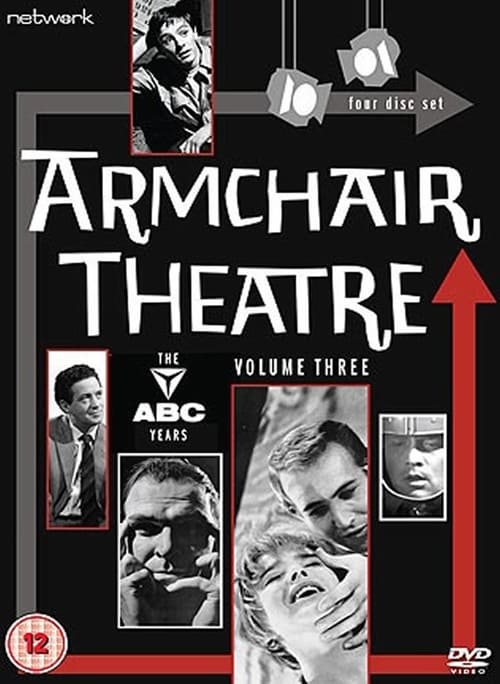
Armchair Theatre
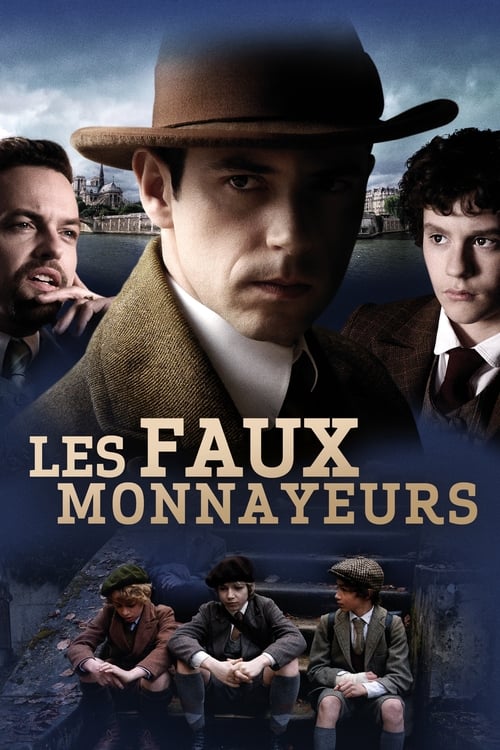
The Counterfeiters
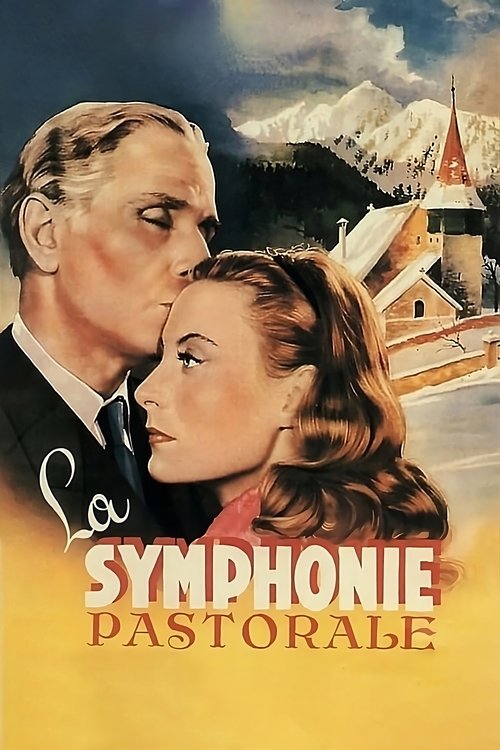
Pastoral Symphony

You Were the One I Loved
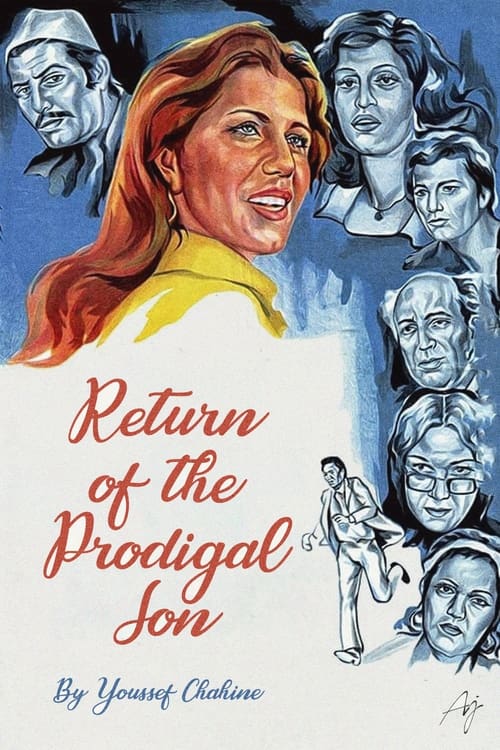
Return of the Prodigal Son
Prosessen
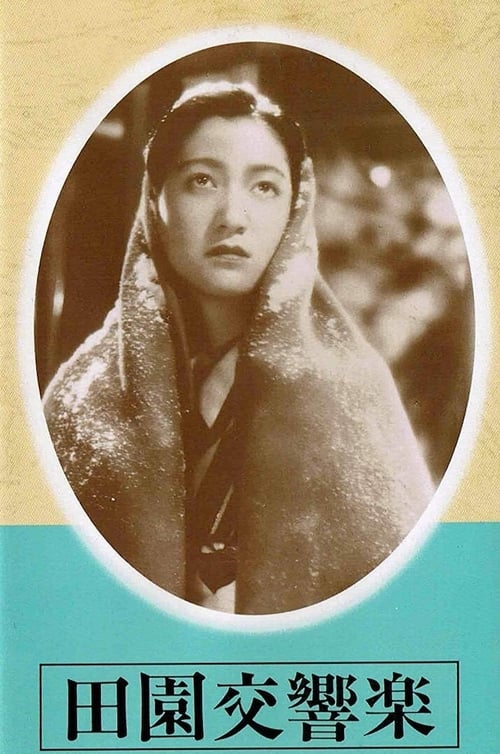
Pastoral Symphony
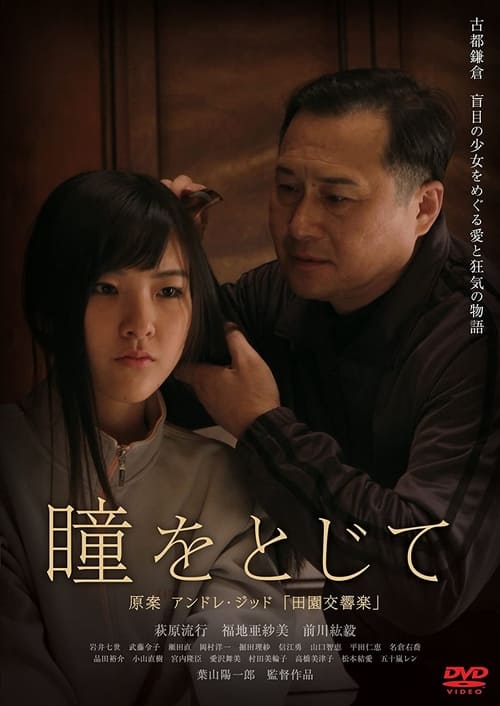
I Close My Eyes
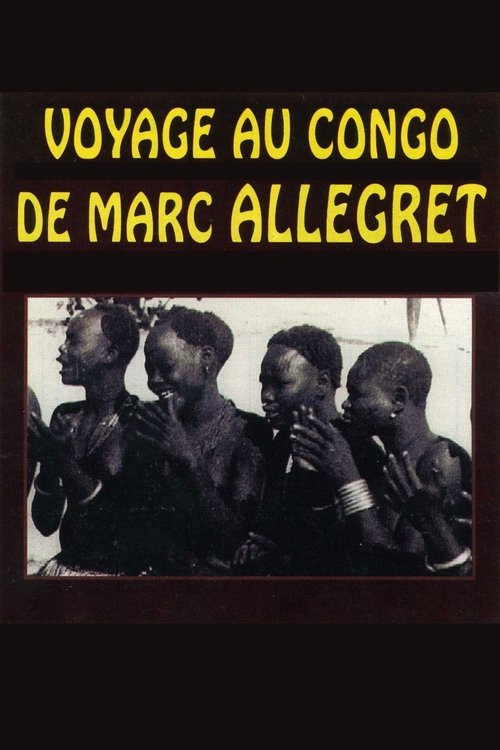
Voyage au Congo
Acting
5 credits
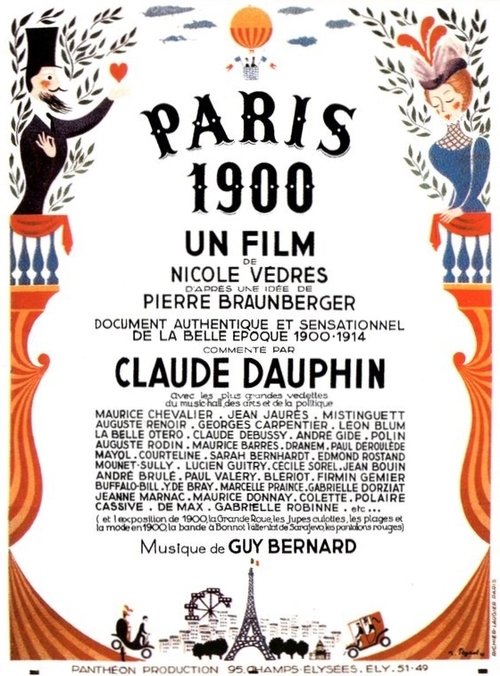
Track what you watch
DuckTrack members see which of these they have already watched,
right here on this page.
Create a free account
Comments
0 commentsNo comments yet. Sign in to be the first.