

Faten Hamama
Acting
Born 1931-05-27
Died 2015-01-17
El Mansoura, Egypt
103 credits
Read biography
Faten Hamama (May 27, 1931 - January 17, 2015) was an Egyptian actress and producer. Dubbed "The Lady of the Arabic Screen", she was born in El Mansoura, Egypt. Her legendary journey started as a secret statement between a six-year-old girl and her father after they watched a film in their neighborhood theater, at which leading actress and producer Asya Dagher was present. Faten told her father that she felt the audience was applauding her as the leading actress, and her father hugged her with a vision of helping his daughter become a movie star. She won a contest for the most beautiful child in Egypt, and her dad sent her picture to director Muhammad Karim (a pioneer of Egyptian cinema). Karim was looking for a child for his new film with Egyptian musician Mohamed Abdel Wahab. Faten auditioned for and got a role in this movie, Yom said (1940) ("A Happy Day"). She impressed the filmmakers so much during shooting that she was actually given more lines and scenes in the picture than were scripted initially for her. Karim put her under contract, and four years later he gave her a role in a film with Mohamed Abdel Wahab again, Russassa fil Kalb (1944) ("A Bullet in the Heart"). With her third movie with Karim, Dunia (1946), Faten showed filmmakers and audiences alike that she was an actress ready for bigger roles. Her father, along with her family, moved to Cairo to help her in her career. She also began studying her craft at the High Institute of Acting in 1946.
Faten left Egypt from 1966-1971 because she resisted the political pressure that was applied to her. She divided her time between Lebanon and London, England. During this period Egyptian President Gamal Abdel Nasser asked some prominent critics and writers to try to persuade her to return to Egypt, saying that "Faten Hamama is a national treasure". Her return to Egypt in 1971 breathed life back into Egyptian cinema. She insisted that her films reflect the values of society through family relationships. Her first film upon return was Witch (a short film) with Salah Zulfikar. Her role in Emberatoriet Meem (1972) ("Empire M") as a widow with six children and the struggles she endured to raise them made the film a success both critically and financially, and she earned a special award from an organization in the Soviet Union when the film was shown at the Moscow International Film Festival. Her film Orid Hallan (1975) ("I Need a Solution") which was produced by Salah Zulfikar was not only a big hit but resulted in changes to Egyptian marriage and divorce laws.
Faten Hamama is the fourth Pyramid in Egyptian cinema, a legend in her platinum anniversary, the diamond that remained shining and kept glowing over the decades on the silver screen.
Not enough member ratings yet.
Sign in to rate.
Filmography
— top 60 of 103
Acting
49 credits

Cinépanorama

Conscience of Teacher Hekmat
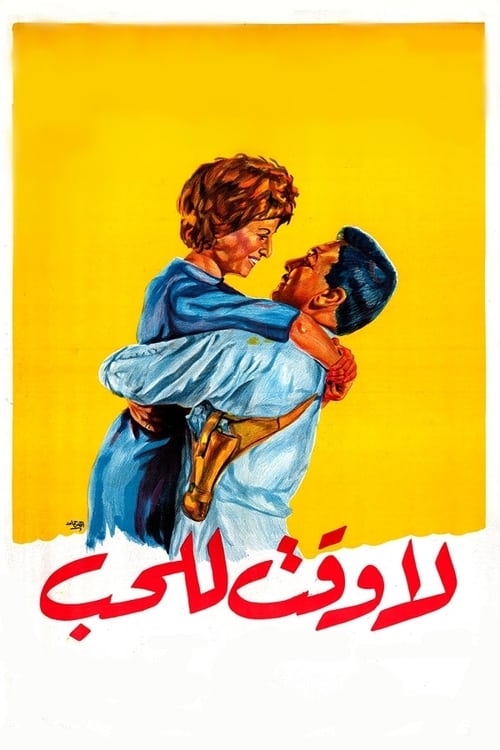
No Time for Love
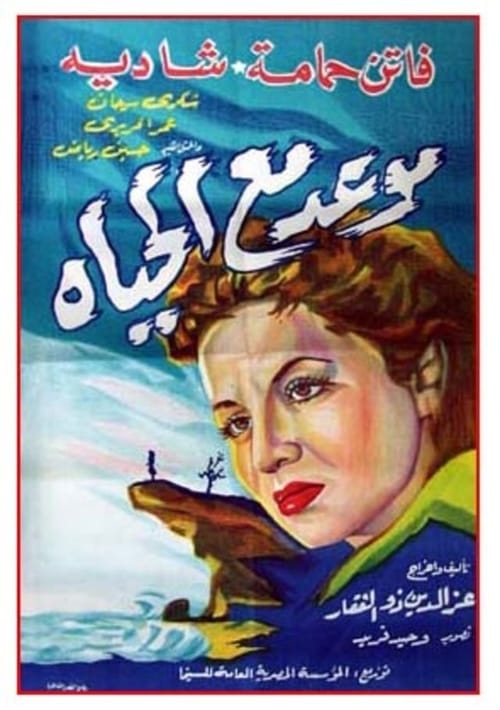
Appointment with Life
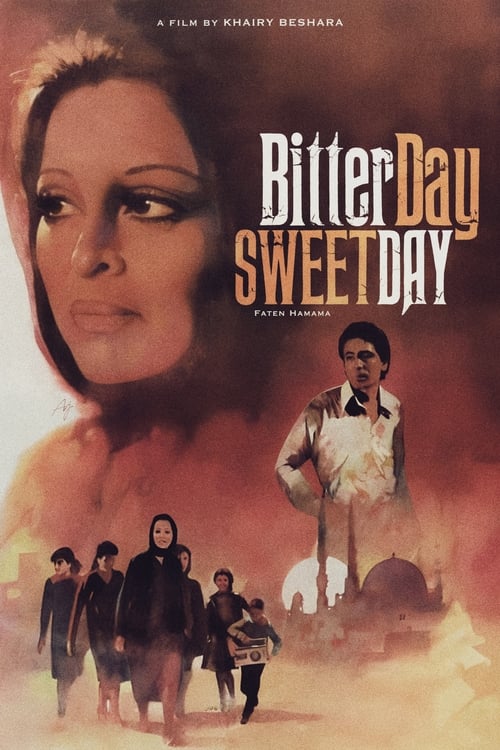
Bitter Day, Sweet Day

The Blazing Sun

Struggle in the Harbor
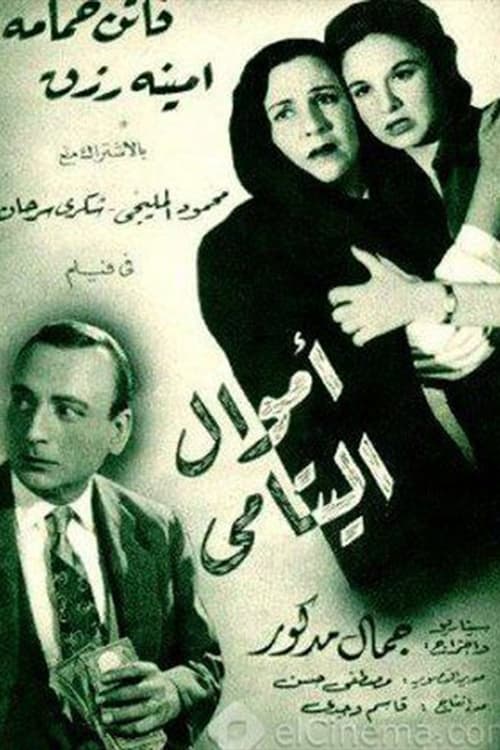
Orphans' money

Aisha
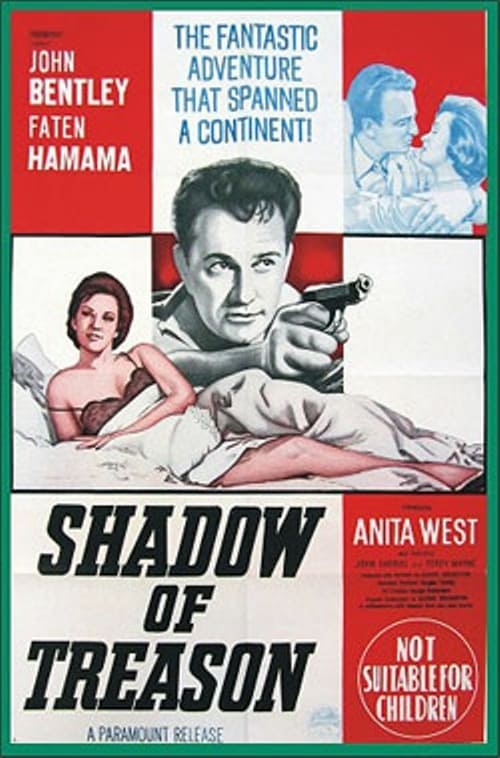
Shadow of Treason
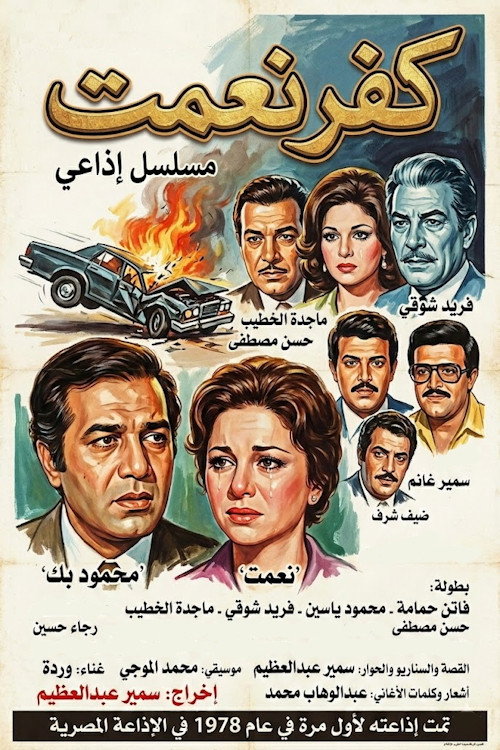
كفر نعمت

The Nightingale's Prayer

Ways of the Heart

Cairo

Sleepless
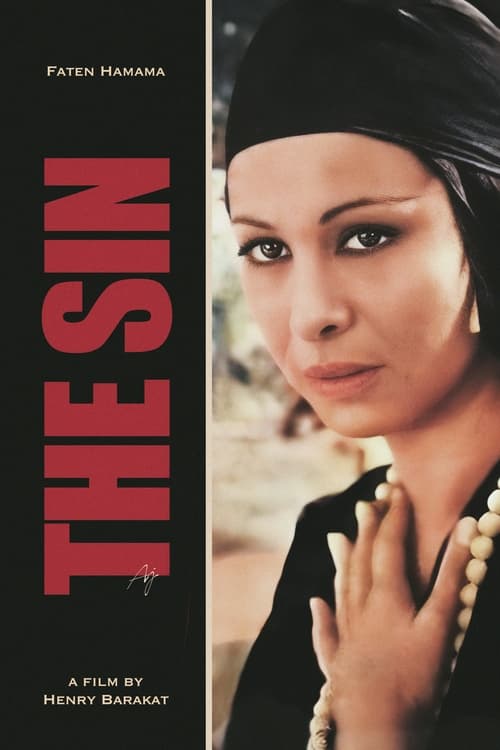
The Sin
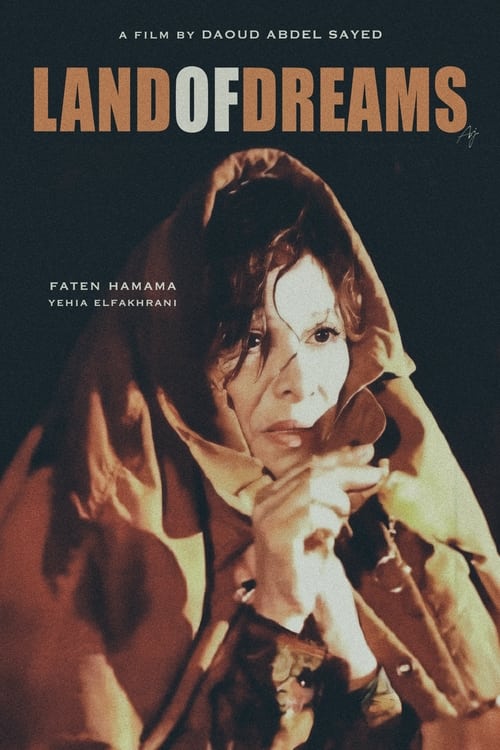
Land of Dreams
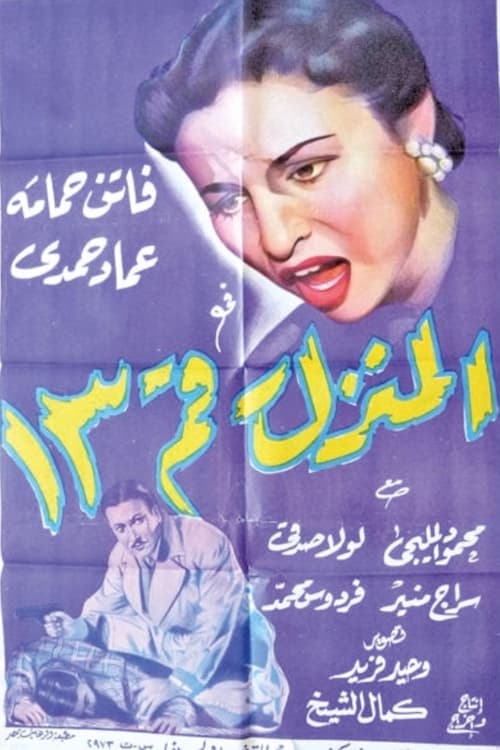
House No. 13
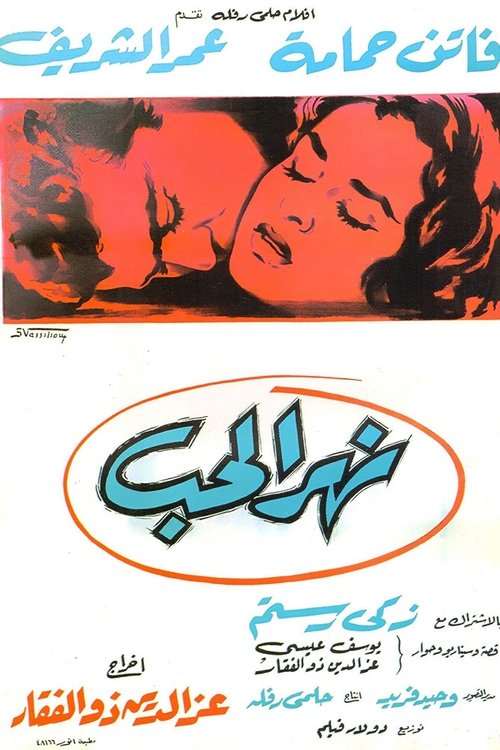
The River of Love
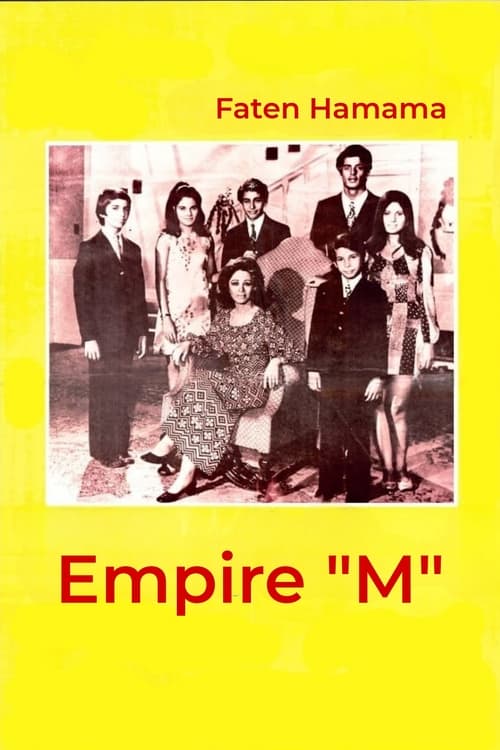
Empire M

Sayedat el kasr

Son of the Nile

Dunia
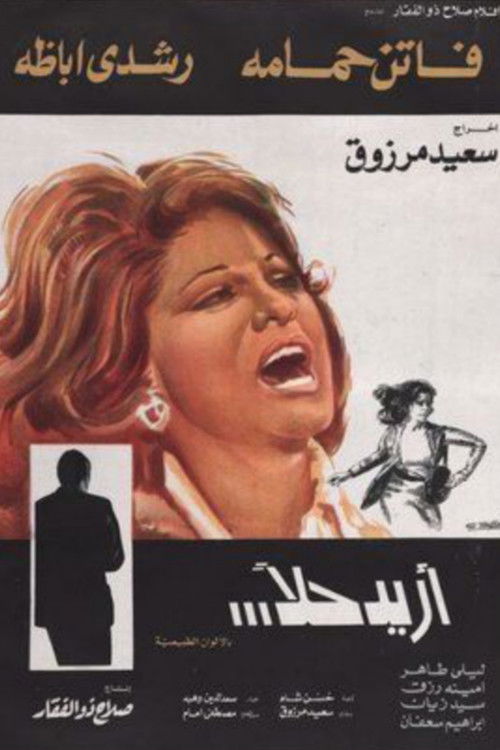
I Want a Solution
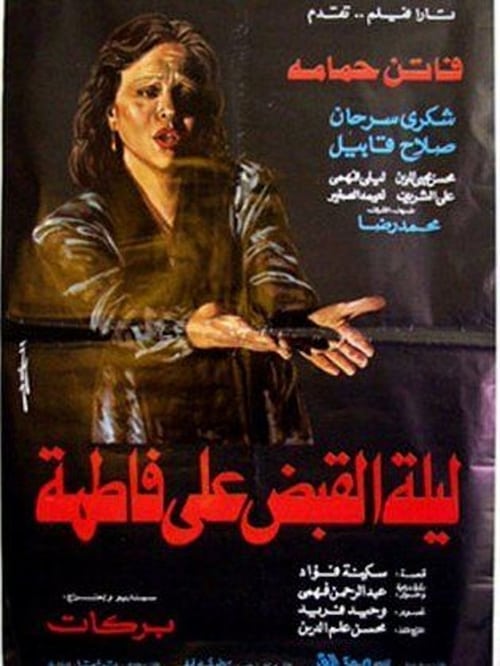
The Night Of Fatima's Arrest

Khulud

Our Best Days

The Barred Road

The Time of Miracles
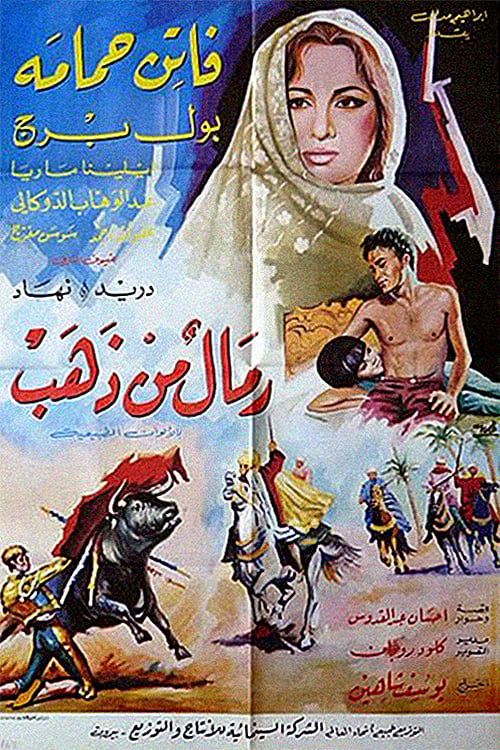
Sands of Gold
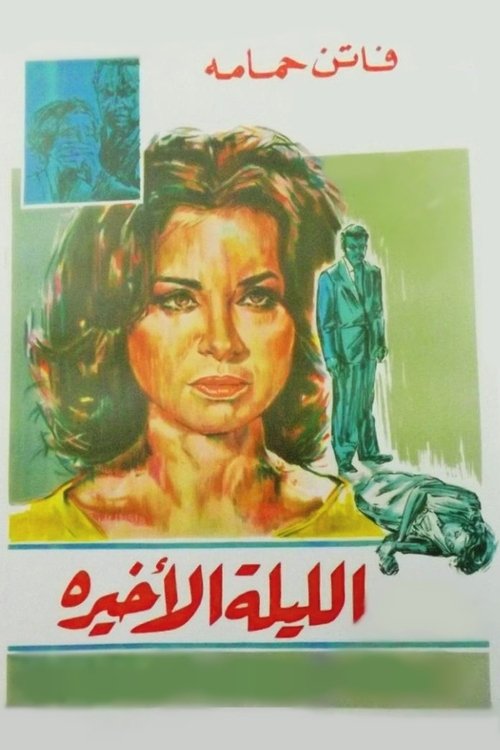
The Last Night

Appointment with Love
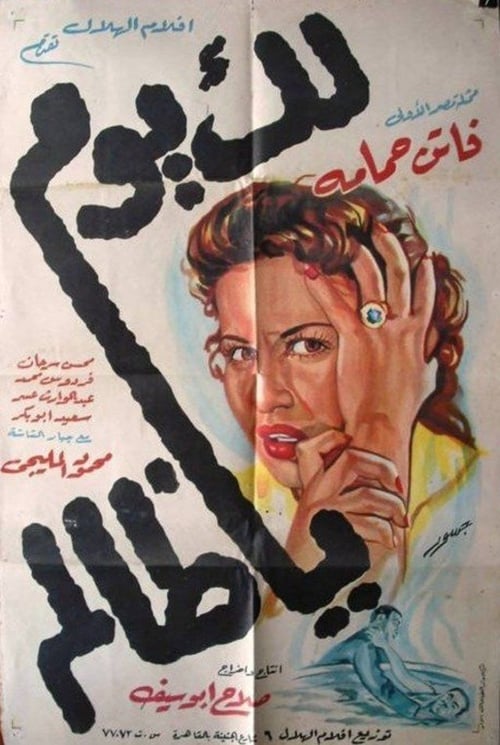
Lak Yom Ya Zalem
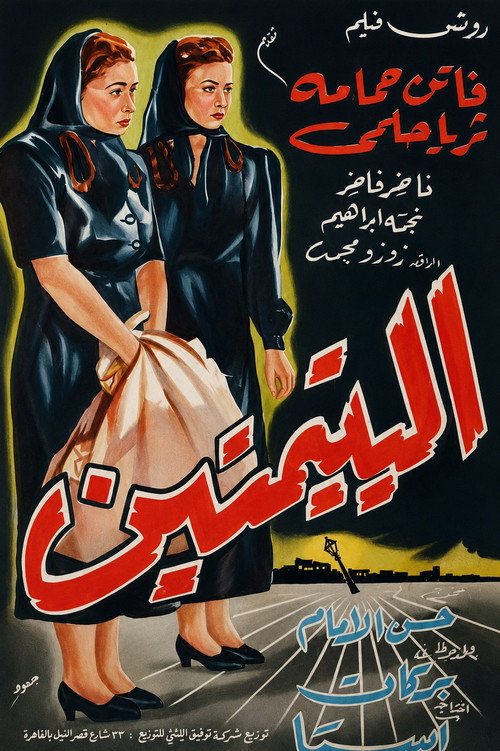
The Two Orphans
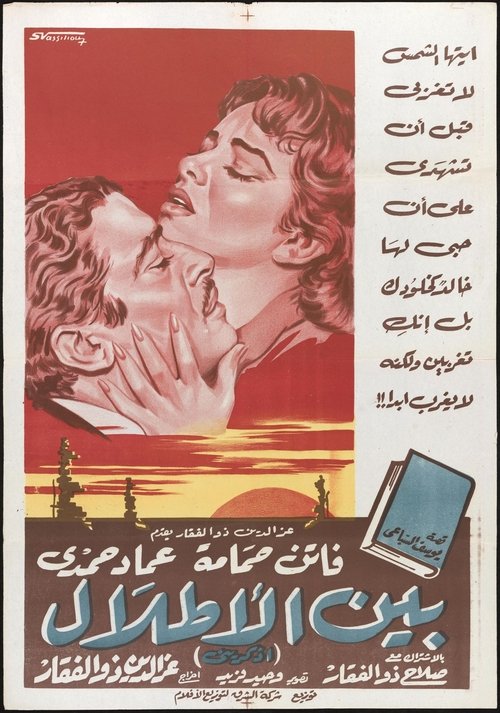
Among the Ruins
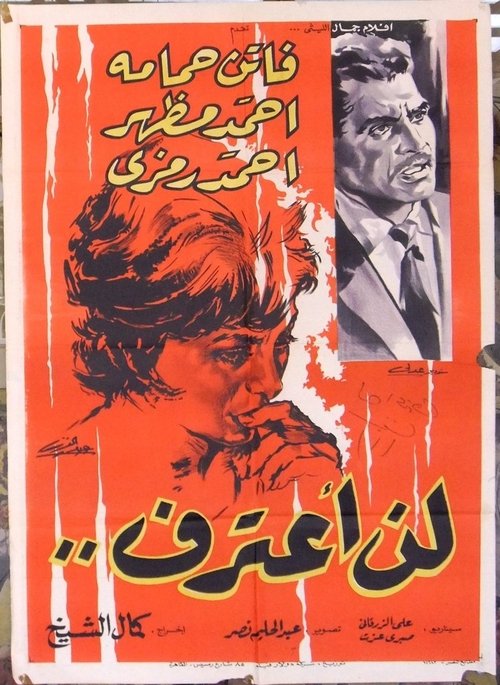
I Won't Confess

The Virgin Wife

The Thin Thread

The Open Door

Baba Amin

The Sun Will Never Set
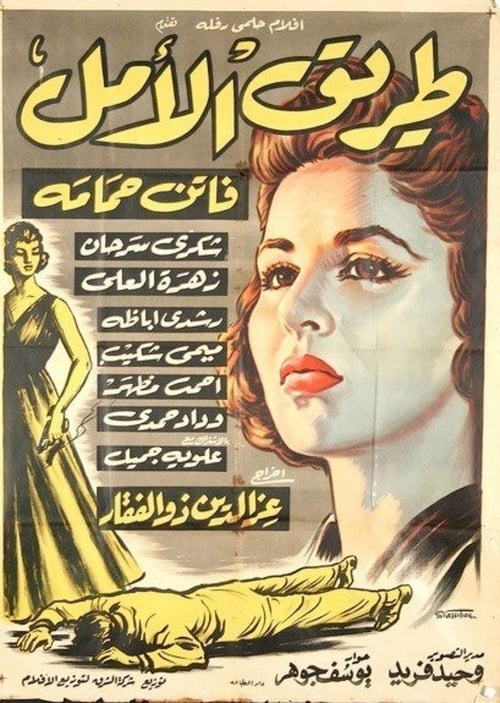
The Road of Hope

Professor Fatima
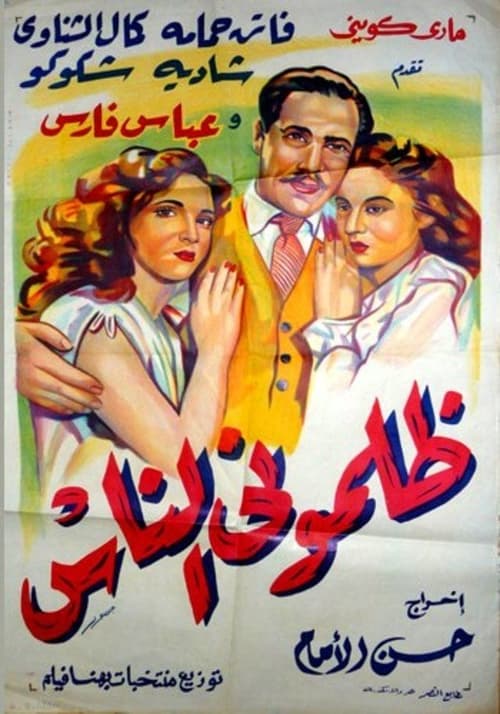
Zalamoni El Nas
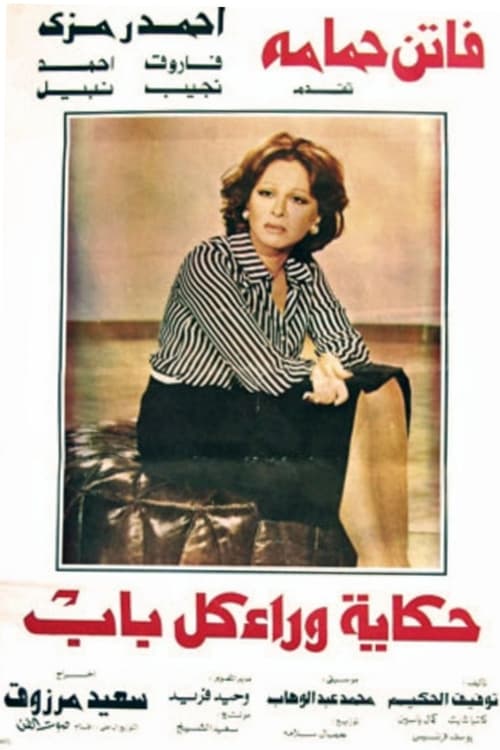
A Tale Behind Every Door

Traces in the Sand
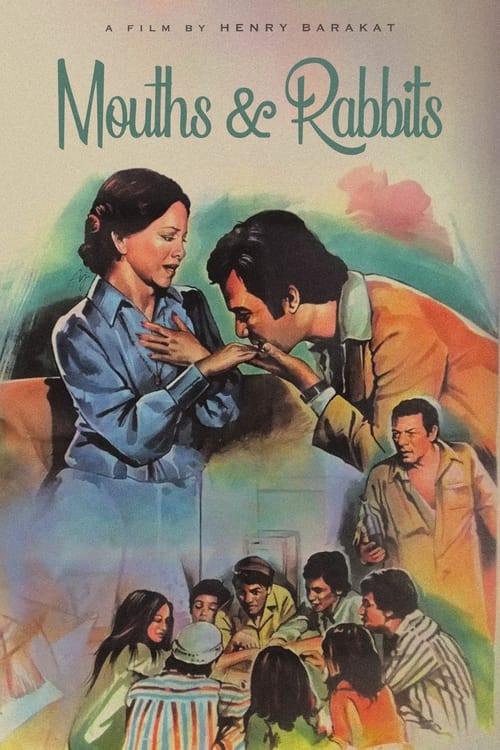
Mouths and Rabbits

Punishment
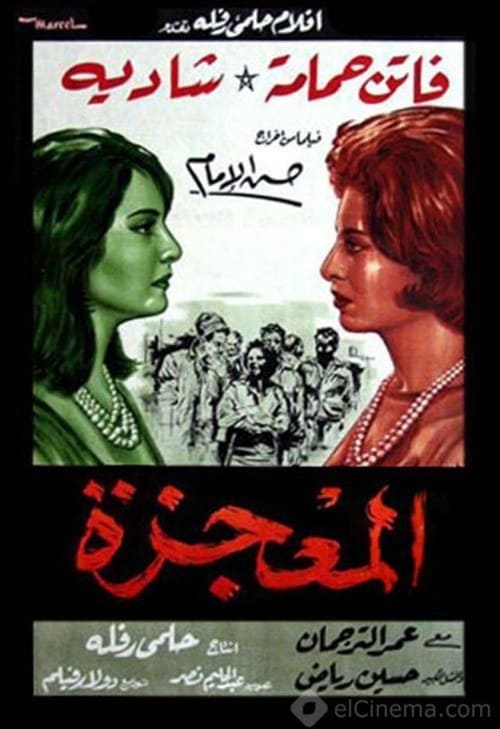
The Miracle
Other credits
10 credits

Towards glory

The Great Clown
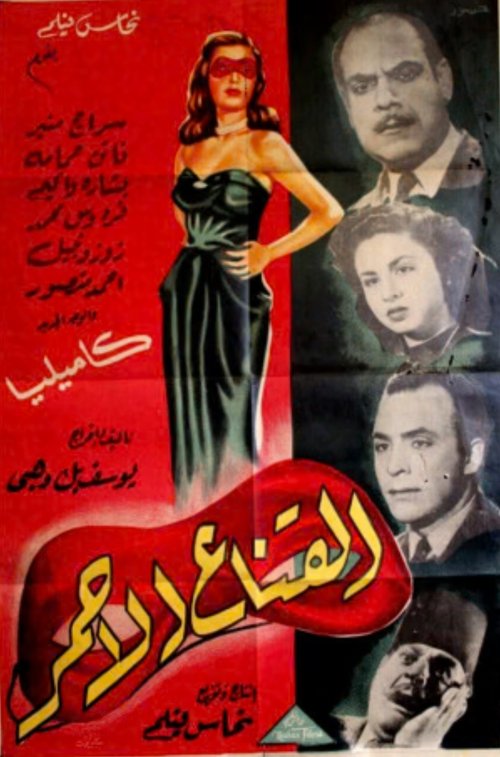
The red mask

Ana bint Nass

Abu Zeid el Hilali

Isalu kalbi

People's secrets
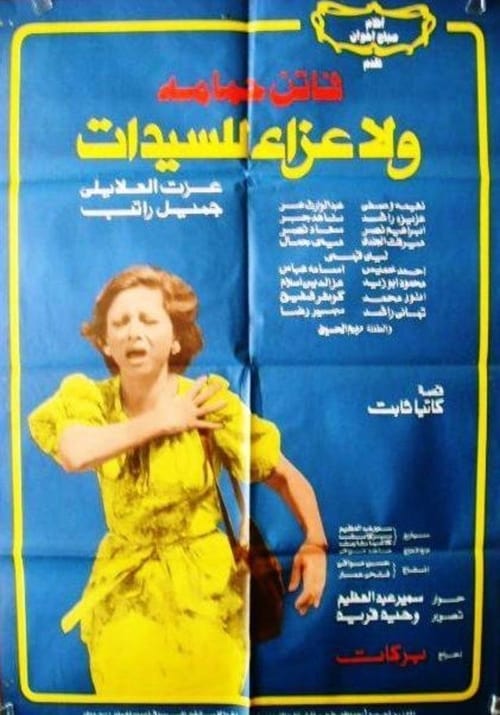
No Consolation For Women

أشكى لمين

Like A Matchstick
Producing
3 credits

Track what you watch
DuckTrack members see which of these they have already watched,
right here on this page.
Create a free account
Comments
0 commentsNo comments yet. Sign in to be the first.