
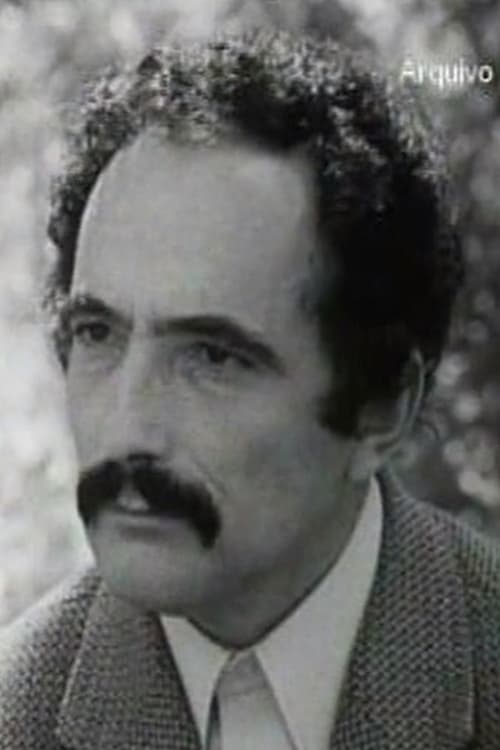
António Campos
Directing
Born 1922-05-29
Died 1999-03-08
Leiria, Portugal
19 credits
Read biography
António Campos (29 May 1922 – 8 March 1999) was one of the pioneer filmmakers of visual anthropology in Portugal. Mainly using pure documentary techniques, he shot ethnographic films and tried docufiction. As well as in fictional films, he used the methods of direct cinema to portray the life of ancient human communities (ethnofiction) of his country.
He started making films at the beginning of the sixties, at the same time as John Marshall (US) and Michel Brault (Canada). Without knowing much about Jean Rouch, he followed his steps in an original way.
He integrated a troupe of theater amateurs and worked at a state department office in Leiria. He got a grant from the Calouste Gulbenkian Foundation in 1961, where he worked between 1970 and 1976, to study cinema in London. He took part in the 20th Century Film Festival, in Kracow, Poland. He was the delegate in Portugal for the International Federation of Art Film and a member of the International Union of Independent Filmmakers (UNICI).
He started making films as an amateur. He shot ethnographic films with 16 mm light cameras and with no scientific purposes, like some of his Portuguese fellows, such as António Reis, Ricardo Costa or Pedro Costa, this one using small mini DV cameras, some years later. After the Carnation Revolution, he directed some theatrical fictional features in 35 mm, all with a strong anthropologic content. He was one of the representatives of the Portuguese Cinema Novo (or Novo Cinema), inspired by the French New Wave.
His film Gente da Praia da Vieira (People of Praia da Vieira), 1976, is, together with Trás-os-Montes, by António Reis and Margarida Cordeiro, and with Mau Tempo, Marés e Mudança (Changing Tides), by Ricardo Costa, one of the first docufictions of Portuguese cinema. Shot on the same year, these films, in the same genre, are preceded by Acto da Primavera (Act of Spring), 1962, by Manoel de Oliveira, and Ala-Arriba!, 1948, by José Leitão de Barros, a contemporary to Robert Flaherty. These films may also be classified as ethnofictions.
Not enough member ratings yet.
Sign in to rate.
Filmography
Directing
16 credits
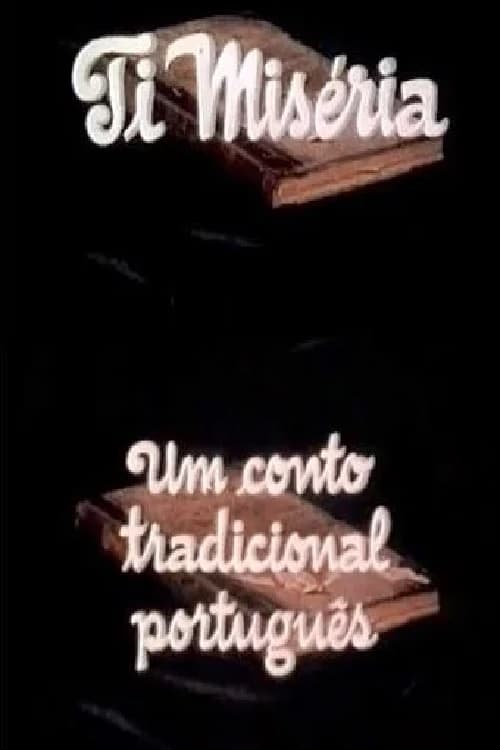
Ti Miséria

Chagall - Breve a Lua, Lua Cheia, Virá Aparecer
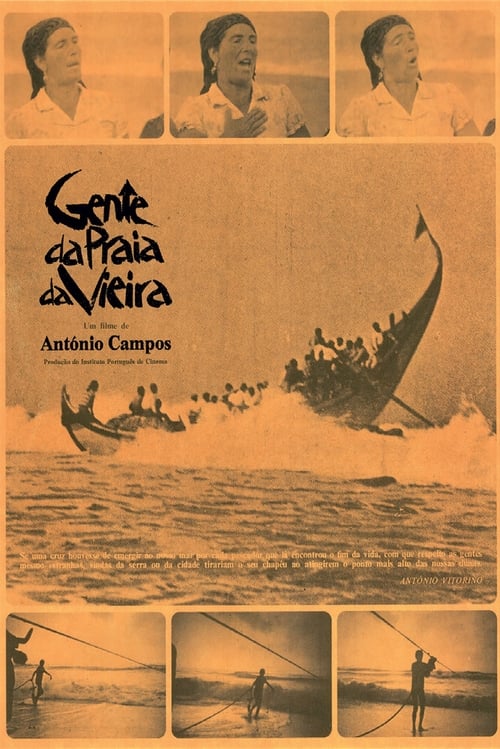
Gente da Praia da Vieira
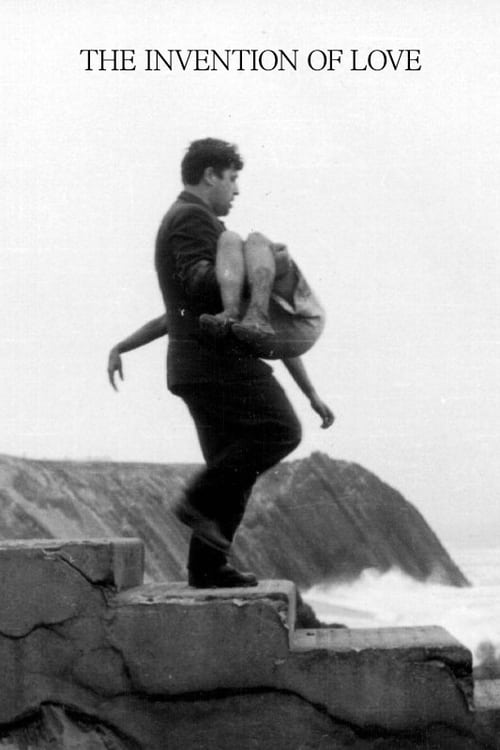
The Invention of Love
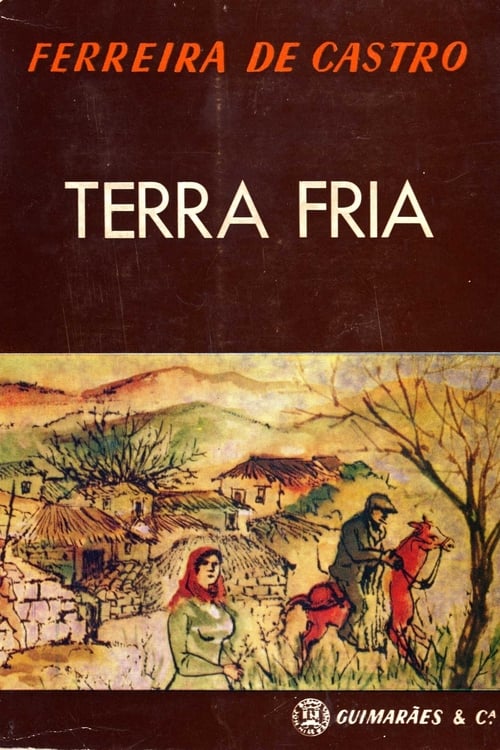
Cold Land
The Lord
A Festa
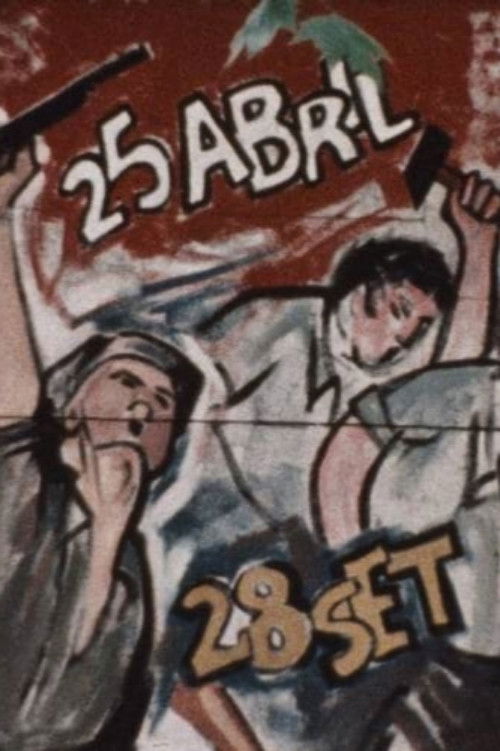
Paredes Pintadas da Revolução Portuguesa
Um Tesoiro
Leiria 1960
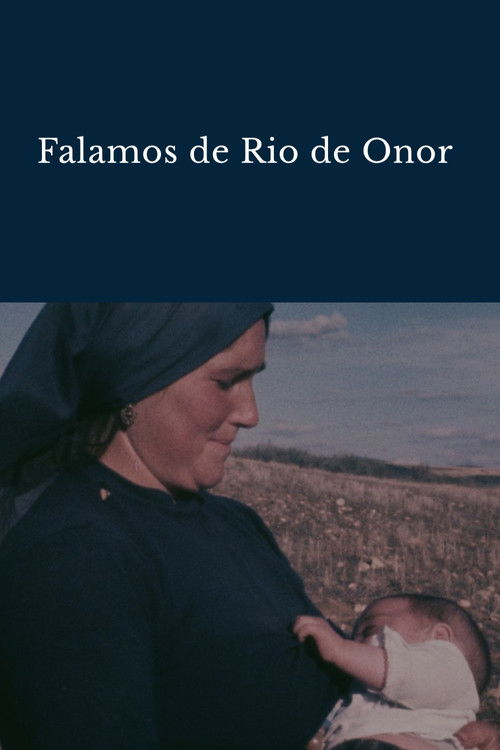
Falamos de Rio de Onor
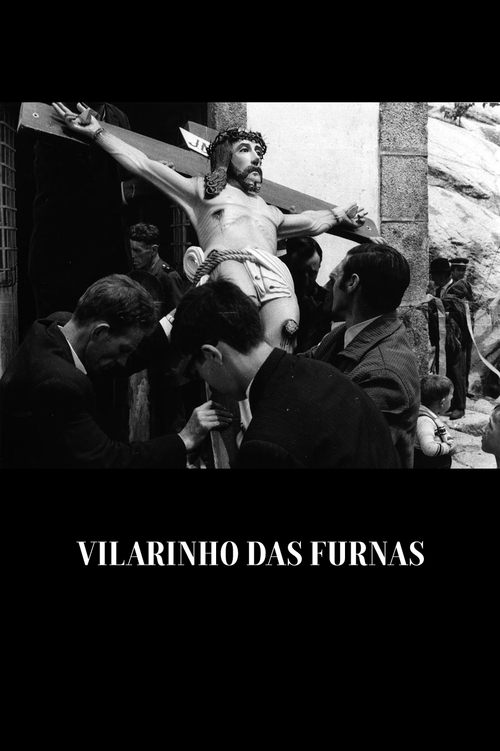
Vilarinho das Furnas
A Tremonha de Cristal
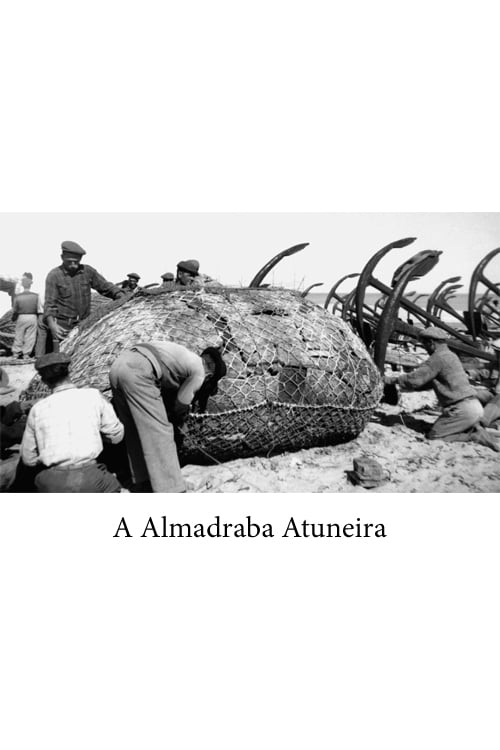
A Almadraba Atuneira
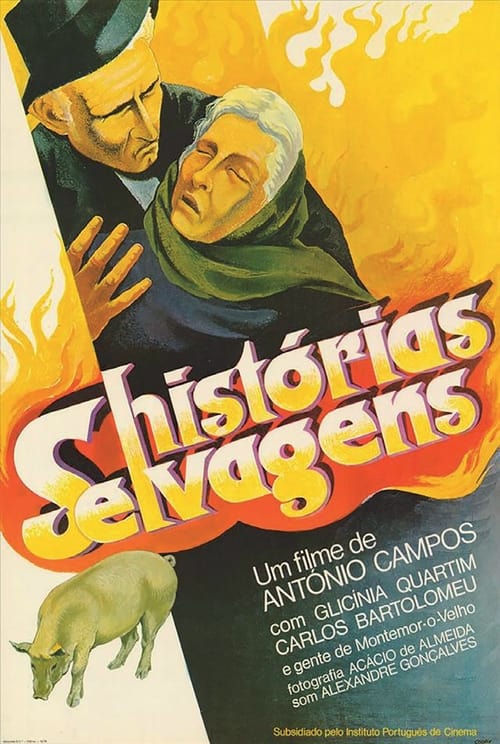
Histórias Selvagens
Retratos dos das Margens do Rio Lis
Other credits
8 credits
The Invention of Love
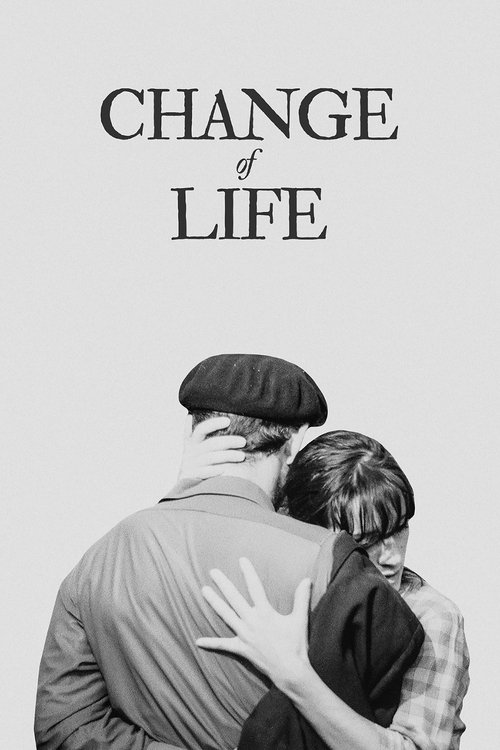
Change of Life
The Lord
Paredes Pintadas da Revolução Portuguesa
Leiria 1960
Falamos de Rio de Onor
Vilarinho das Furnas
A Almadraba Atuneira
Writing
8 credits
Ti Miséria
The Invention of Love
Cold Land
The Lord
Falamos de Rio de Onor
Vilarinho das Furnas
A Almadraba Atuneira
Histórias Selvagens
Acting
4 credits
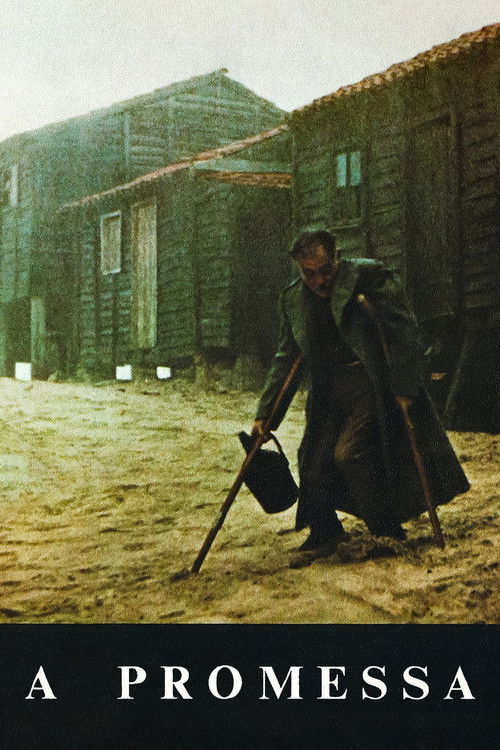
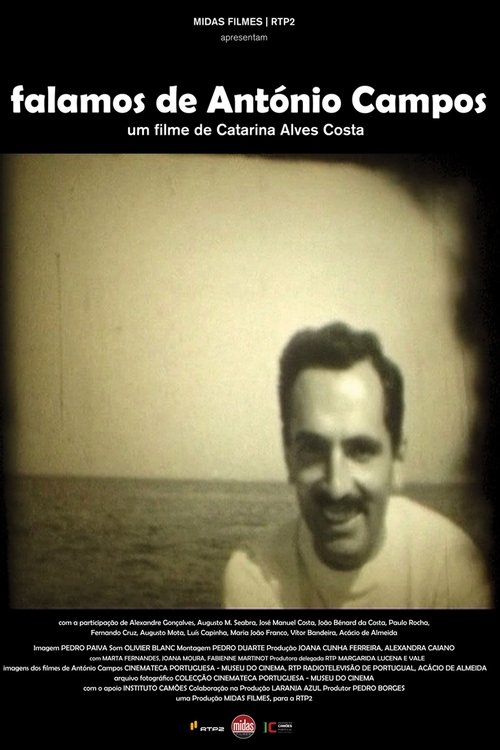
Producing
4 credits
Track what you watch
DuckTrack members see which of these they have already watched,
right here on this page.
Create a free account
Comments
0 commentsNo comments yet. Sign in to be the first.