
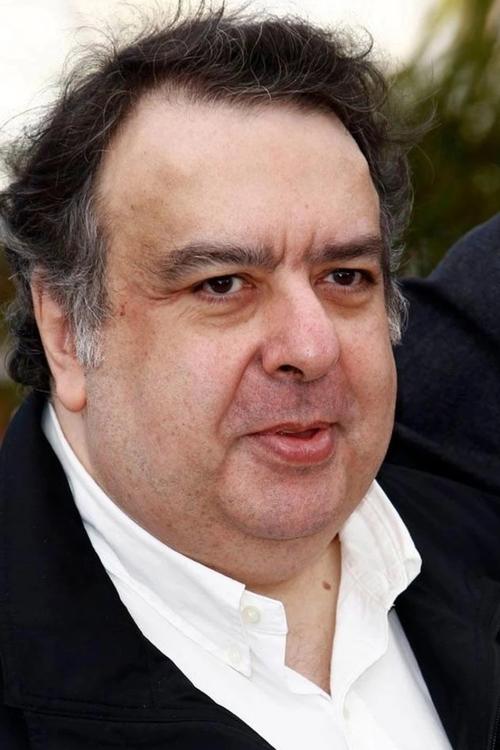
Philippe Sarde
Sound
Born 1948-06-21
Neuilly-sur-Seine, Hauts-de-Seine, France
198 credits
Read biography
Philippe Sarde (born 21 June 1948) is a French film composer. Considered among the most versatile and talented French film composers of his generation, Sarde has scored over two hundred films, film shorts, and television mini-series. He received an Academy Award nomination for Tess (1979), and twelve César Award nominations, winning for Barocco (1976) and The Judge and the Assassin (1976). In 1993, Sarde received the Joseph Plateau Music Award.
Philippe Sarde was born 21 June 1948 in Neuilly-sur-Seine, Hauts-de-Seine, Île-de-France, France. His mother, Andrée Gabriel, was a singer in the Paris Opera. Through his mother's encouragement, he became interested in music from the early age of three. When he was four years old, he conducted a brief section of Carmen at the Paris Opera. At the age of five, he began experimenting with sound recording and made his first short films. Sarde loved both music and film, and had trouble deciding on his career direction.
Sarde entered the Paris Conservatory, where he studied harmony, counterpoint, fugue, and composition under Noël Gallon. At the age of seventeen, he directed a short 35-mm film in black and white, for which he composed the music, asking Vladimir Cosma to help him with the orchestration. At the age of eighteen, after writing songs for Régine, Sarde met Claude Sautet, who asked him to write the music for his film The Things of Life (1969). The experience established his career direction and initiated a long partnership with Sautet that spanned twenty-five years and eleven films.
Sarde also established close associations with directors Bertrand Tavernier, Pierre Granier-Deferre, Georges Lautner, André Téchiné, and Jacques Doillon. Sarde also collaborated with Roman Polanski on The Tenant and Tess, which garnered an Academy Award nomination, Bertrand Blier's on Beau-Père, Alain Corneau on Fort Saganne, and Marshall Brickman on Lovesick, The Manhattan Project, and Sister Mary Explains It All. In 1988, Sarde was a member of the jury at the Cannes Film Festival.
Film director Georges Lautner once observed that he was constantly amazed by the composer's ability to find a unique approach to each film that he scored. According to Yuri German, writing in the All Music Guide, Sarde's soundtracks are "masterfully and unconventionally arranged" and are often performed by such world-class musicians as Chet Baker, Stan Getz, Stéphane Grappelli, and Maurice Vander."
In April 1990, Sarde married Nave Florence, but they divorced the following year. In 1994, he married Clotilde Burre. They have two daughters, Ponette (born 1998) and Liza (born 1999). Both are enrolled in the seventeenth arrondissement of Paris. Sarde is the brother of producer Alain Sarde.
Source: Article "Philippe Sarde" from Wikipedia in English, licensed under CC-BY-SA.
Not enough member ratings yet.
Sign in to rate.
Filmography
— top 60 of 198
Other credits
57 credits
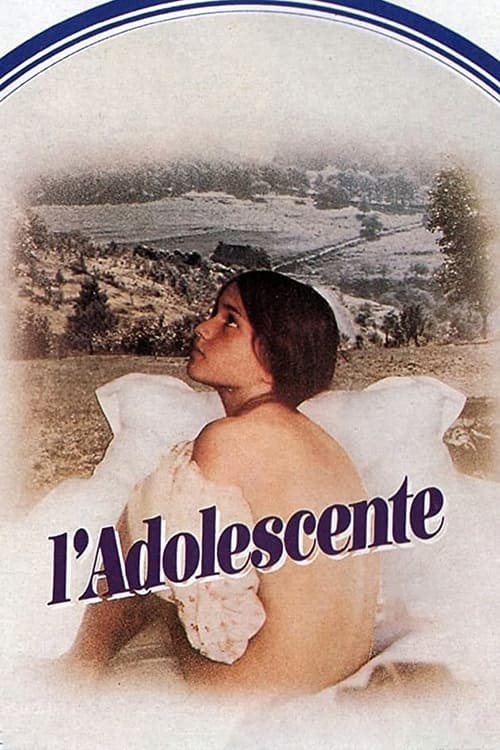
The Adolescent
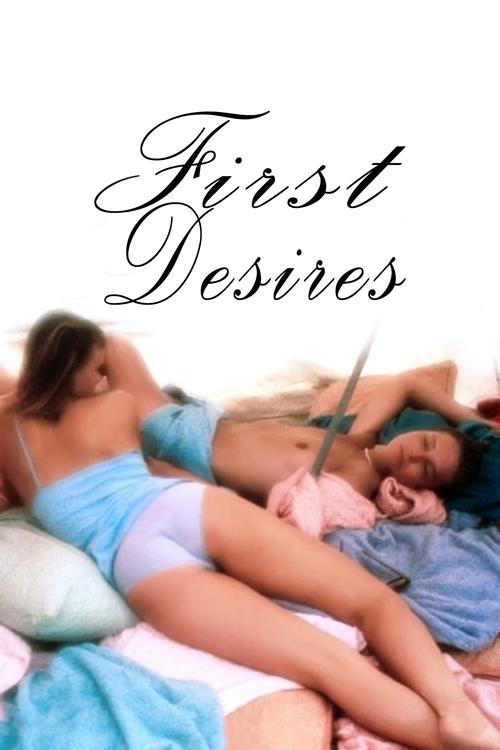
First Desires

Lord of the Flies
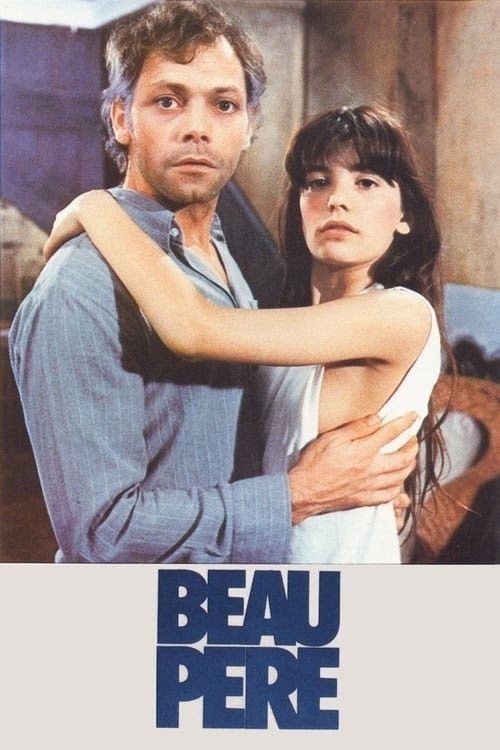
Beau Pere
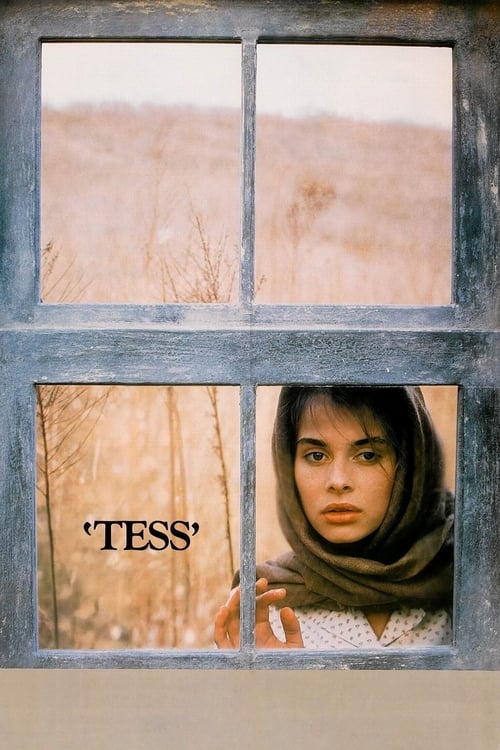
Tess
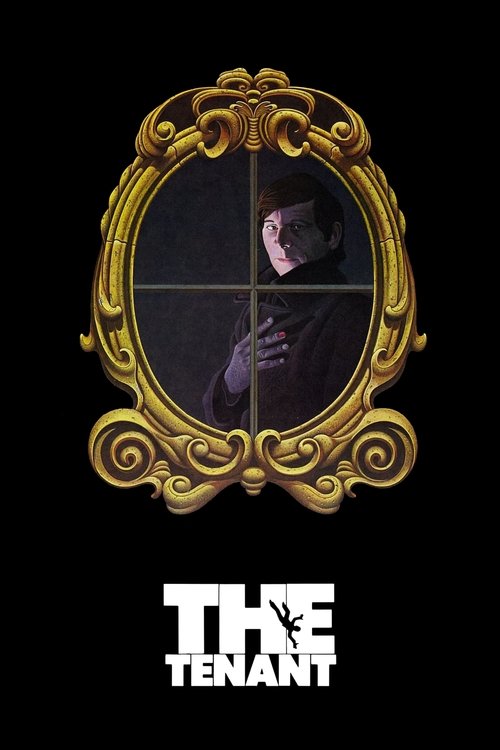
The Tenant

Quest for Fire

La Grande Bouffe

Pirates
Ghost Story
Borgo
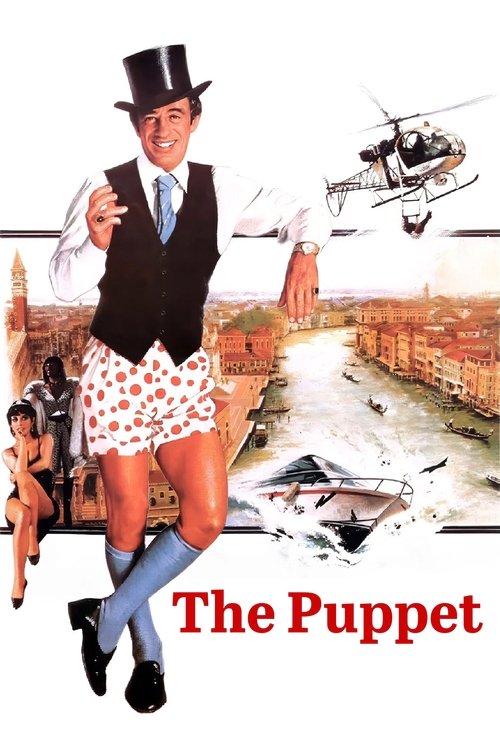
Le Guignolo
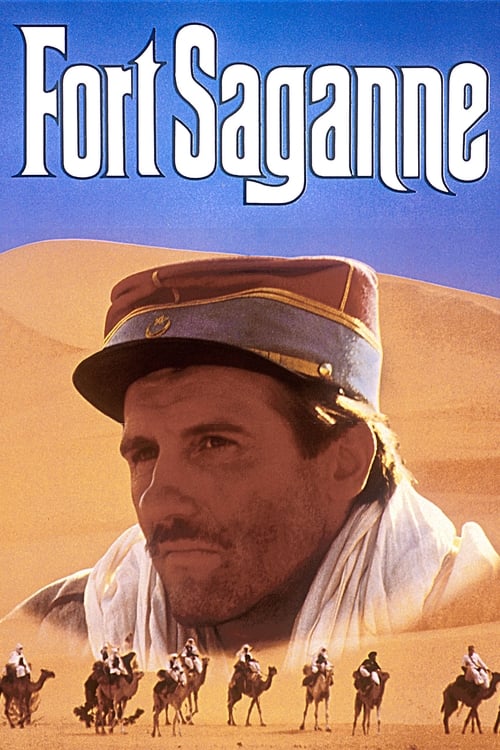
Fort Saganne

A Brother...

A Faithful Man
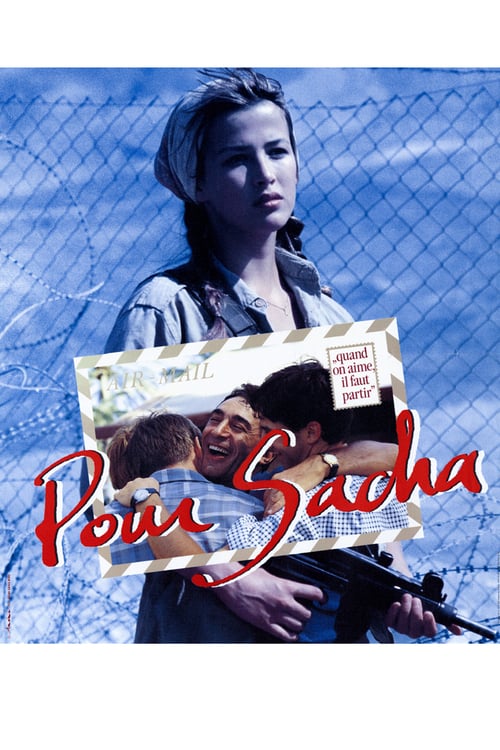
For Sasha
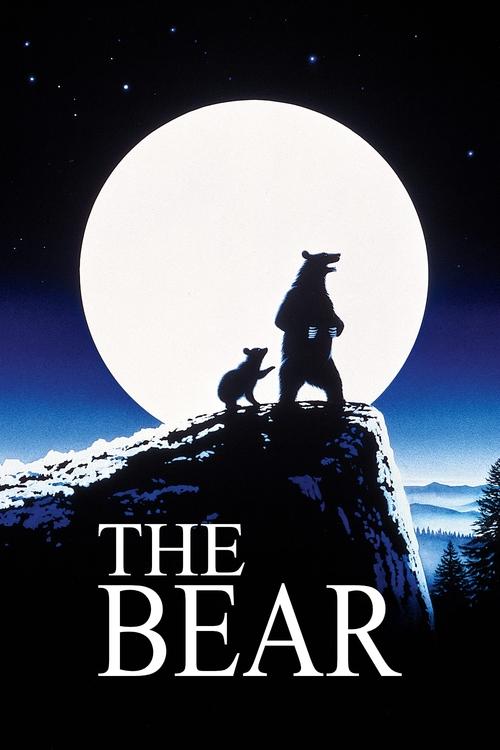
The Bear

Cesar and Rosalie

L'Invité surprise
Rodin

Two Men in Town

The Last Woman

D'Artagnan's Daughter

The Cat
Lancelot of the Lake
Max and the Junkmen
Rendez-vous

Nelly and Monsieur Arnaud

Eve of Destruction
The Cage
The Last Train
Dorothea's Revenge
The French Detective
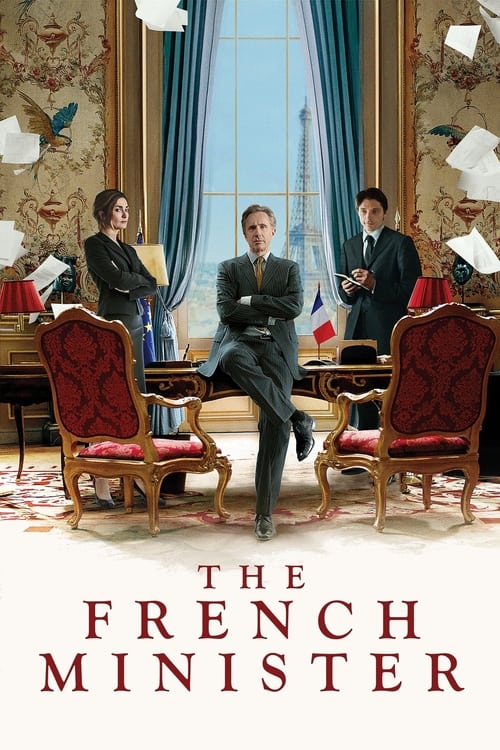
The French Minister
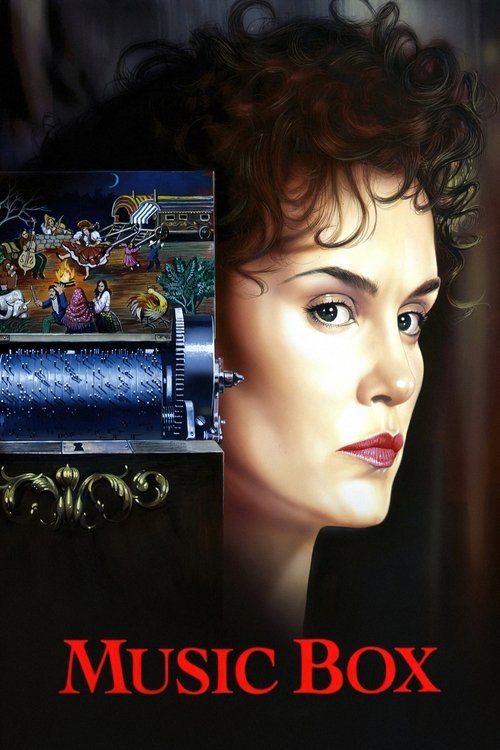
Music Box
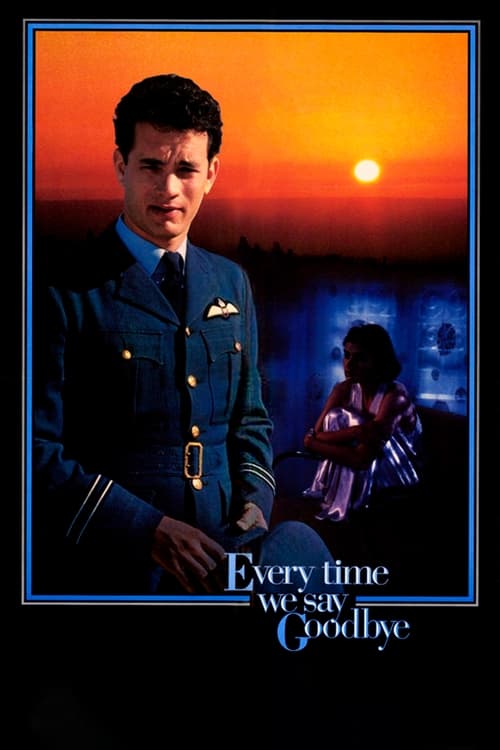
Every Time We Say Goodbye
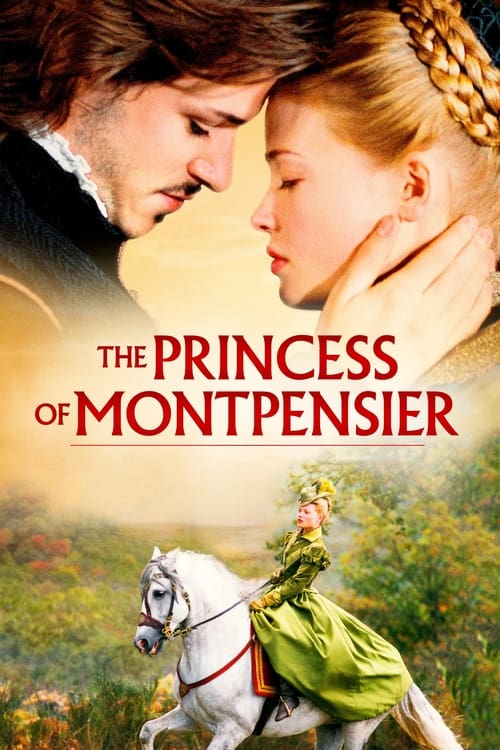
The Princess of Montpensier
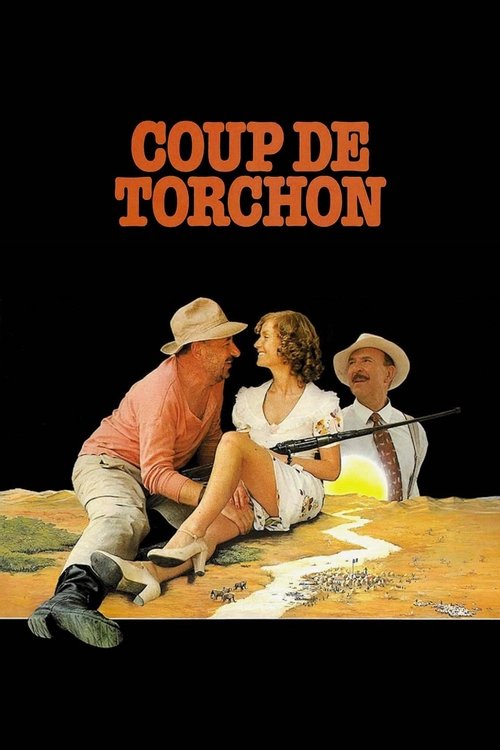
Coup de Torchon
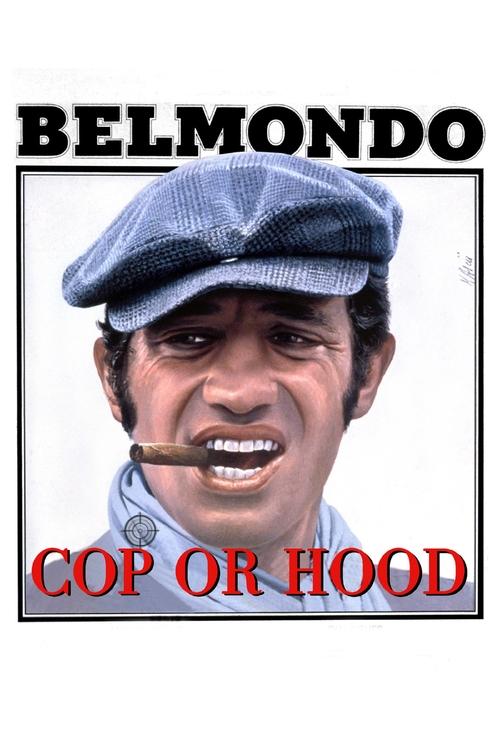
Cop or Hood
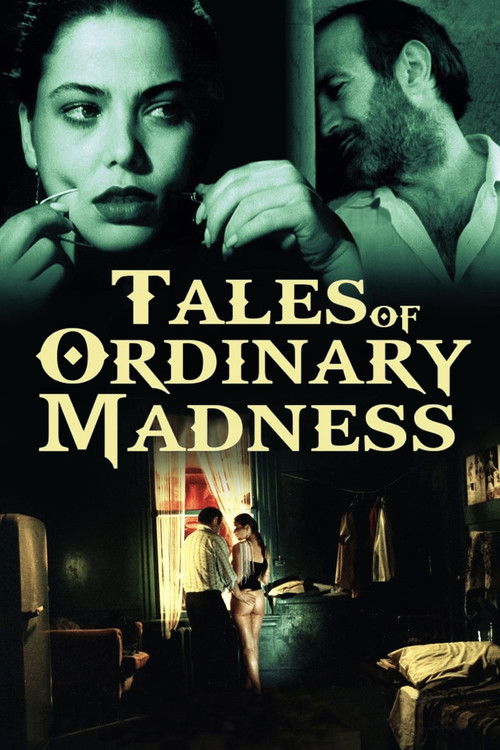
Tales of Ordinary Madness
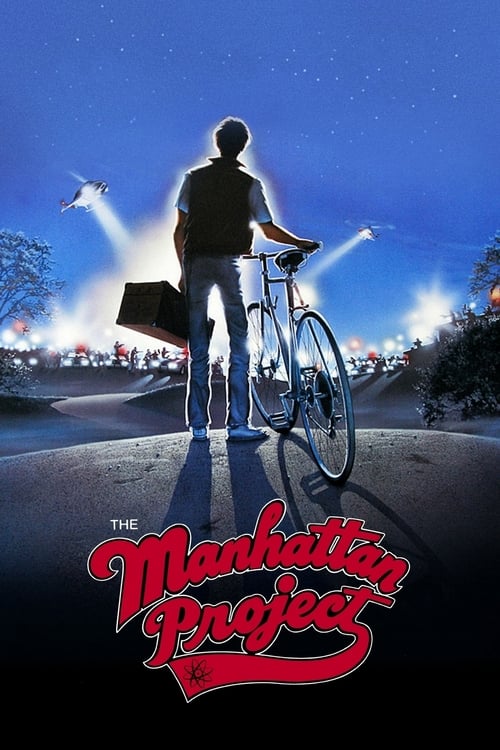
The Manhattan Project
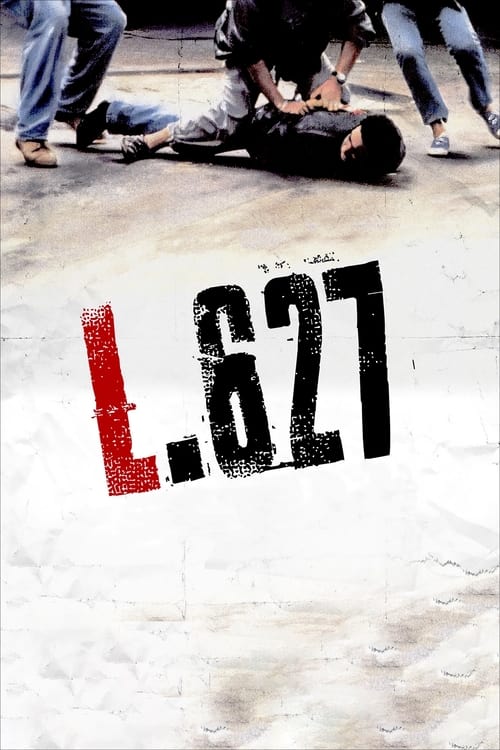
L.627
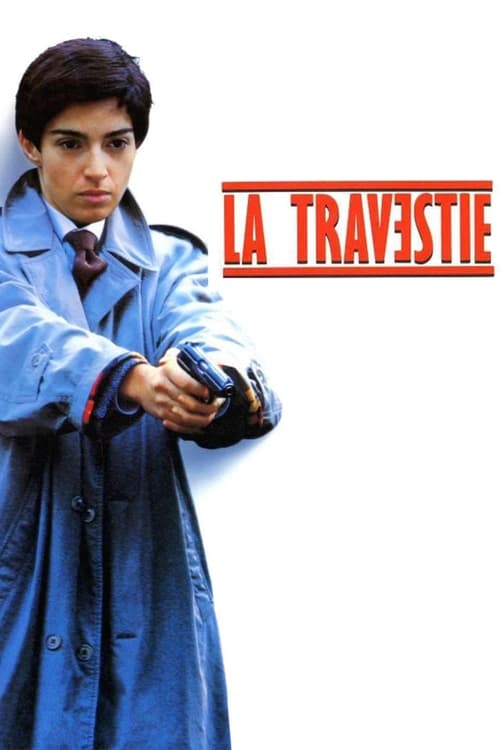
La Travestie
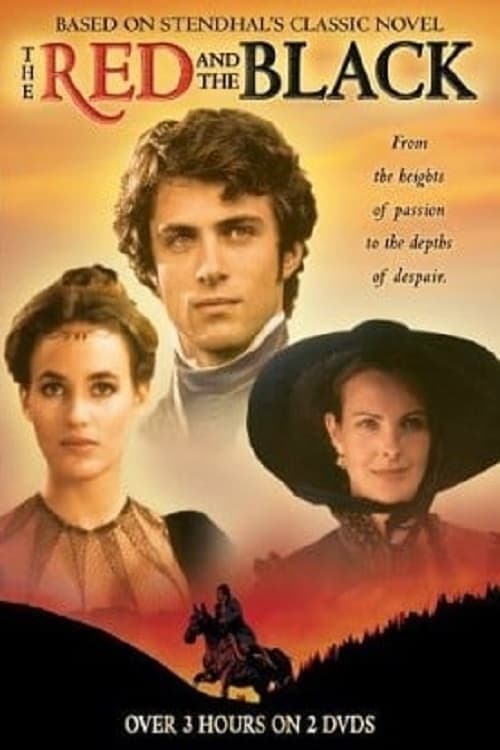
The Red and the Black
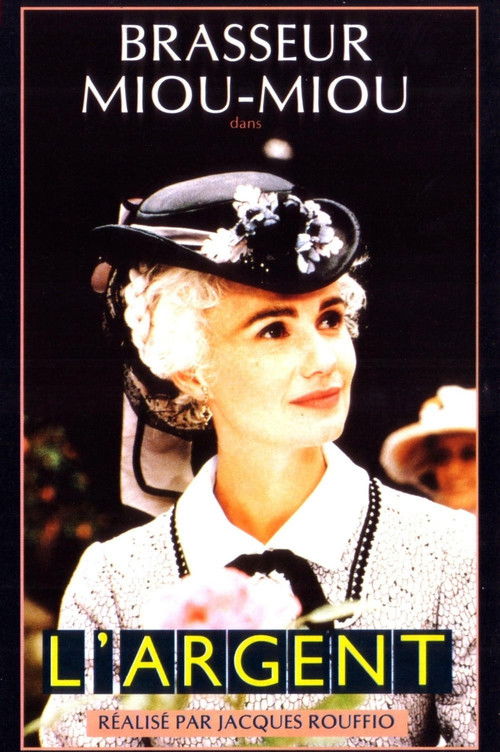
L'Argent

Iran: Days of Crisis
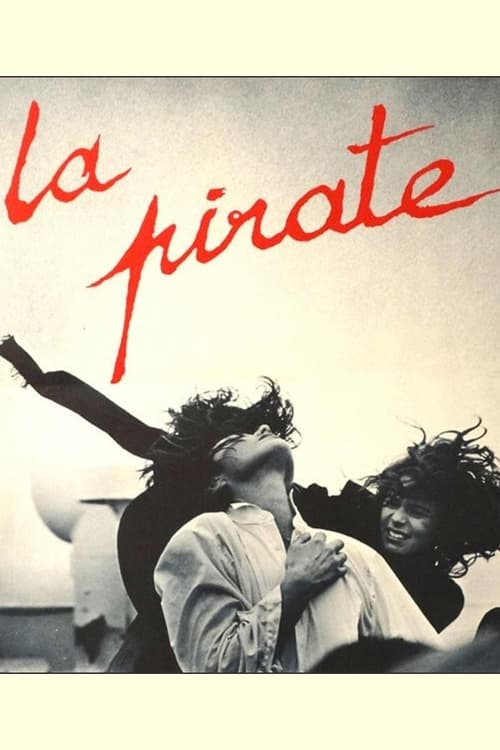
La Pirate

Buffet Froid
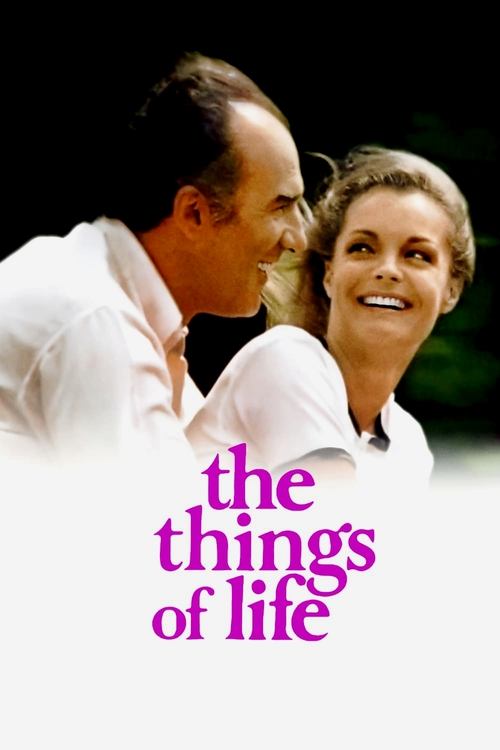
The Things of Life
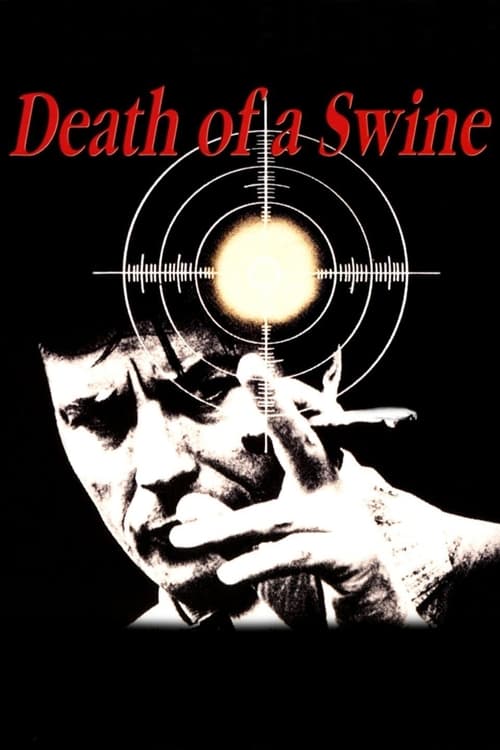
Death of a Corrupt Man

Me and My Sister
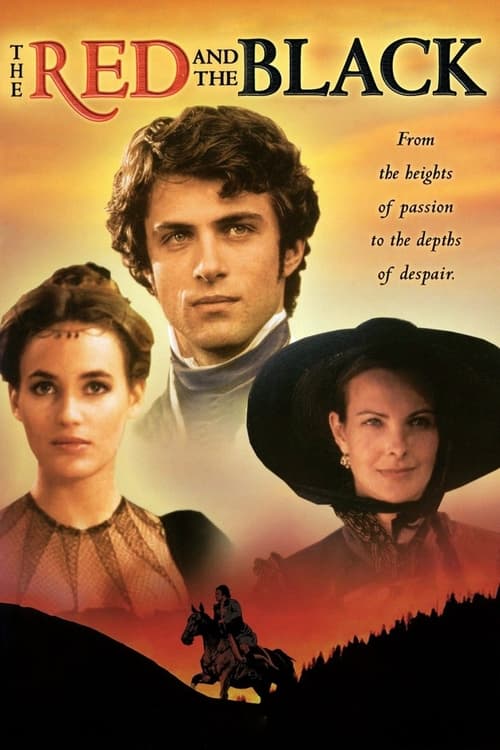
The Red and the Black
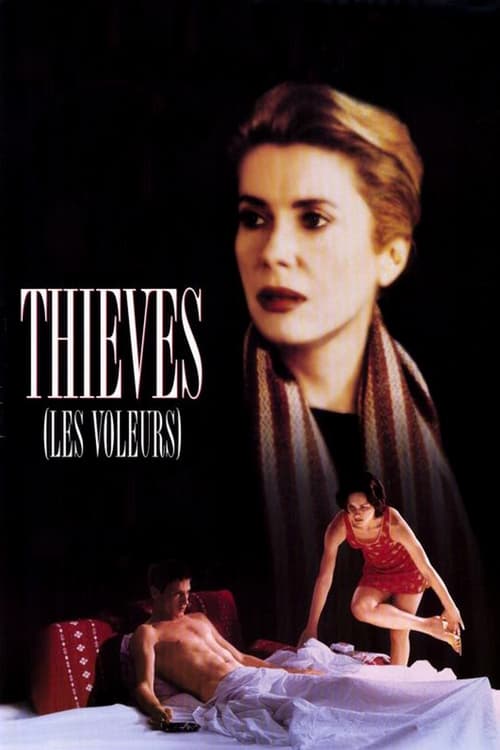
Thieves
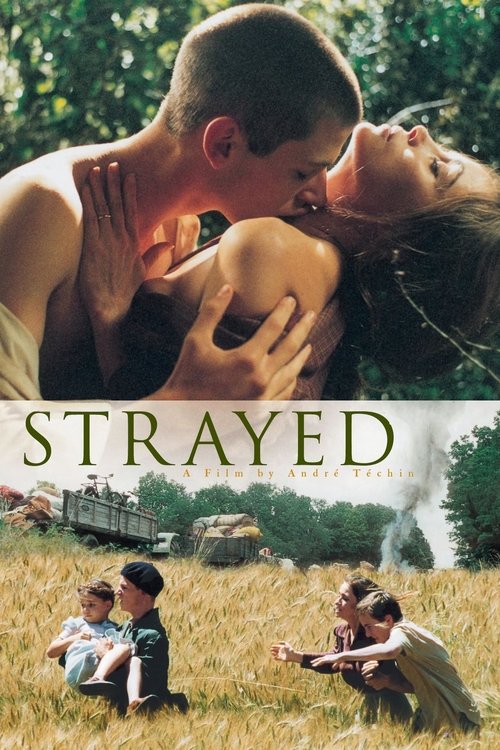
Strayed
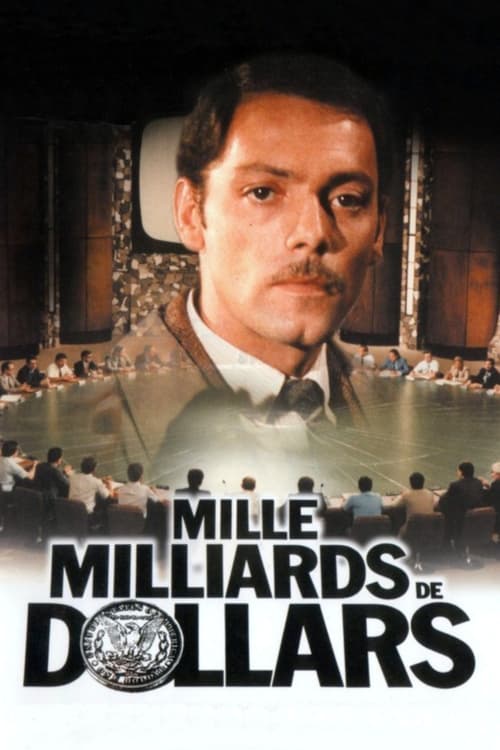
A Thousand Billion Dollars
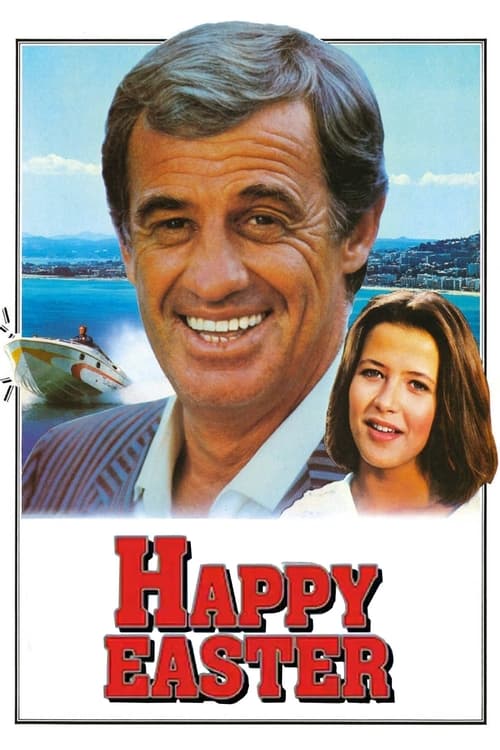
Happy Easter
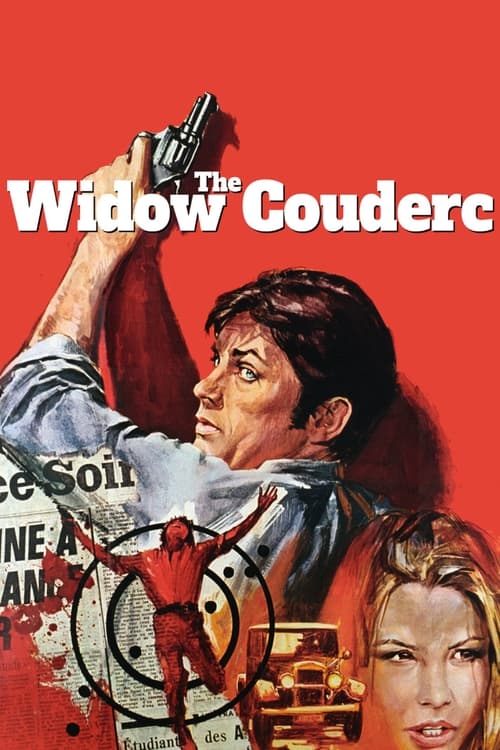
The Widow Couderc
Acting
4 credits


Track what you watch
DuckTrack members see which of these they have already watched,
right here on this page.
Create a free account
Comments
0 commentsNo comments yet. Sign in to be the first.