
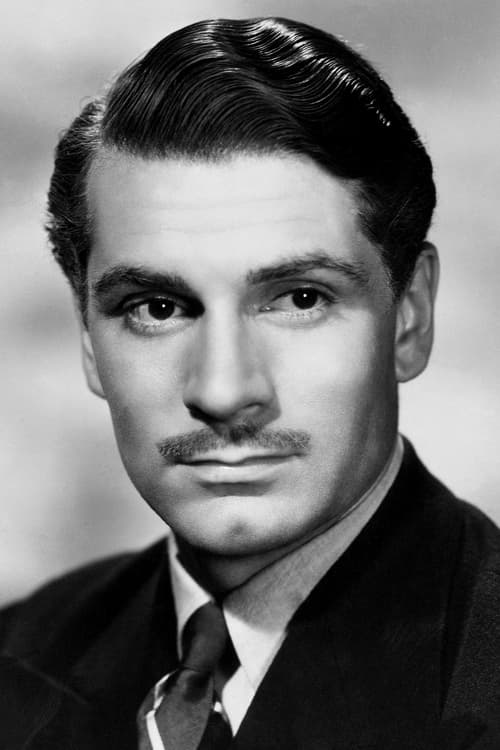
Laurence Olivier
Acting
Born 1907-05-22
Died 1989-07-11
Dorking, Surrey, England, UK
160 credits
Academy Awards 2
Primetime Emmy Awards 3
Golden Globe Awards 2
BAFTA Awards 4
David di Donatello for best foreign production 2
David di Donatello for Best Foreign Actor 2
Academy Honorary Award 2
Donaldson Awards 1
Awards
Won 2 Academy Awards
Academy Awards 2 won · 10 nominated
- 1979 Best Actor Nominated The Boys from Brazil
- 1977 Best Supporting Actor Nominated Marathon Man
- 1973 Best Actor Nominated Sleuth
- 1966 Best Actor Nominated Othello
- 1961 Best Actor Nominated The Entertainer
- 1957 Best Actor Nominated Richard III
- 1949 Best Director Nominated Hamlet
- 1949 Best Actor Won Hamlet
- 1949 Best Picture Won Hamlet
- 1947 Best Actor Nominated Henry V
- 1941 Best Actor Nominated Rebecca
- 1940 Best Actor Nominated Wuthering Heights
Primetime Emmy Awards 3 won
- 1984 Outstanding Lead Actor in a Miniseries or a Movie Won King Lear
- 1982 Outstanding Supporting Actor in a Miniseries or a Movie Won Patsy Cline: Walkin' After Midnight, Brideshead Revisited
- 1960 Outstanding Lead Actor in a Miniseries or a Movie Won The Moon and Sixpence
Golden Globe Awards 2 won
- 1977 Best Supporting Actor – Motion Picture Won Marathon Man
- 1949 Best Actor in a Leading Role Won Hamlet
BAFTA Awards 4 won
- 1976 BAFTA Fellowship Won
- 1970 Best Actor in a Supporting Role Won Oh! What a Lovely War
- 1956 Best Film Won Richard III
- 1955 Best British Film Won Richard III
Tony Awards 1 nominated
- 1958 Best Actor in a Play Nominated
David di Donatello for best foreign production 2 won
- 1957 best foreign production Won Richard III
- — best foreign production Won
David di Donatello for Best Foreign Actor 2 won
- 1957 Best Foreign Actor Won Richard III
- — Best Foreign Actor Won
Academy Honorary Award 2 won
- 1979 Academy Honorary Award Won
- 1947 Academy Honorary Award Won
Donaldson Awards 1 won
- — Donaldson Awards Won
Award data from Wikidata (CC0). Coverage may be incomplete.
Read biography
Laurence Kerr Olivier, Baron Olivier, OM (22 May 1907 – 11 July 1989) was an English actor and director who, along with his contemporaries Ralph Richardson, Peggy Ashcroft and John Gielgud, dominated the British stage of the mid-20th century. He also worked in films throughout his career, playing more than fifty cinema roles. Late in his career, he had considerable success in television roles.
His family had no theatrical connections, but Olivier's father, a clergyman, decided that his son should become an actor. After attending a drama school in London, Olivier learned his craft in a succession of acting jobs during the late 1920s. In 1930 he had his first important West End success in Noël Coward's Private Lives, and he appeared in his first film. In 1935 he played in a celebrated production of Romeo and Juliet alongside Gielgud and Ashcroft, and by the end of the decade he was an established star. In the 1940s, together with Richardson and John Burrell, Olivier was the co-director of the Old Vic, building it into a highly respected company. There his most celebrated roles included Shakespeare's Richard III and Sophocles's Oedipus. In the 1950s Olivier was an independent actor-manager, but his stage career was in the doldrums until he joined the avant garde English Stage Company in 1957 to play the title role in The Entertainer, a part he later played on film. From 1963 to 1973 he was the founding director of Britain's National Theatre, running a resident company that fostered many future stars. His own parts there included the title role in Othello (1965) and Shylock in The Merchant of Venice (1970).
Among Olivier's films are Wuthering Heights (1939), Rebecca (1940), and a trilogy of Shakespeare films as actor-director: Henry V (1944), Hamlet (1948), and Richard III (1955). His later films included The Shoes of the Fisherman (1968), Sleuth (1972), Marathon Man (1976), and The Boys from Brazil (1978). His television appearances included an adaptation of The Moon and Sixpence (1960), Long Day's Journey into Night (1973), Love Among the Ruins (1975), Cat on a Hot Tin Roof (1976), Brideshead Revisited (1981) and King Lear (1983).
Olivier's honours included a knighthood (1947), a life peerage (1970) and the Order of Merit (1981). For his on-screen work he received four Academy Awards, two British Academy Film Awards, five Emmy Awards and three Golden Globe Awards. The National Theatre's largest auditorium is named in his honour, and he is commemorated in the Laurence Olivier Awards, given annually by the Society of London Theatre. He was married three times, to the actresses Jill Esmond from 1930 to 1940, Vivien Leigh from 1940 to 1960, and Joan Plowright from 1961 until his death.
Not enough member ratings yet.
Sign in to rate.
Filmography
— top 60 of 160
Acting
60 credits
The Mike Douglas Show

Golden Globe Awards
Great Performances

Tony Awards
The Dick Cavett Show
The Carol Burnett Show

Omnibus

The Oscars

The Ed Sullivan Show
ITV Saturday Night Theatre
Spartacus
Romeo and Juliet

Jesus of Nazareth
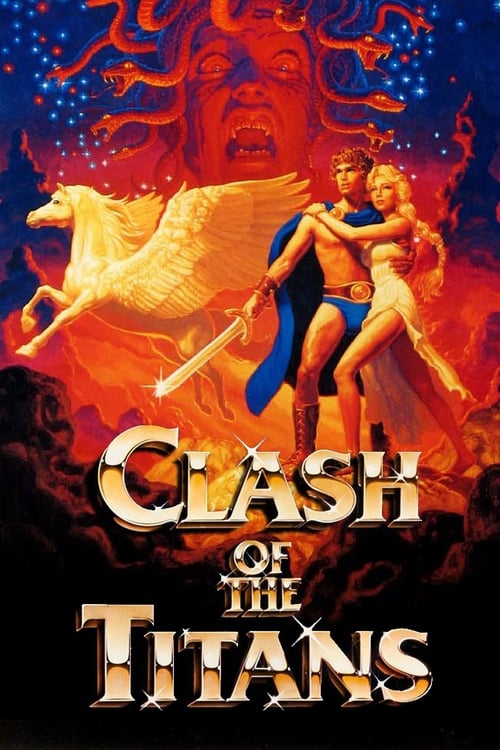
Clash of the Titans
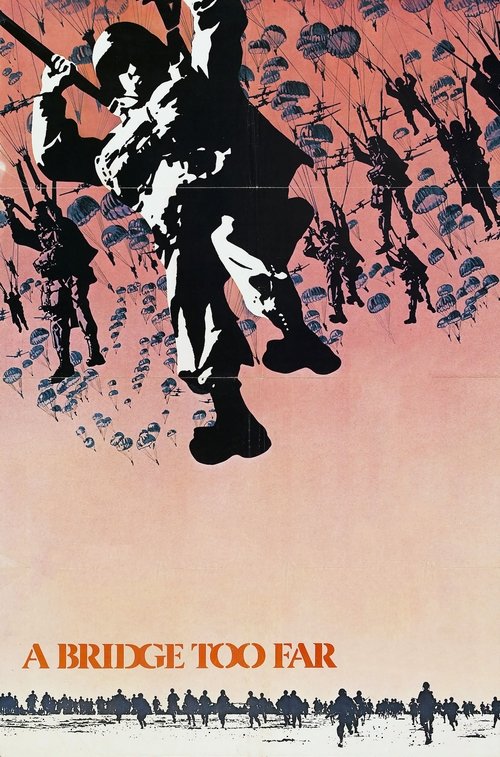
A Bridge Too Far
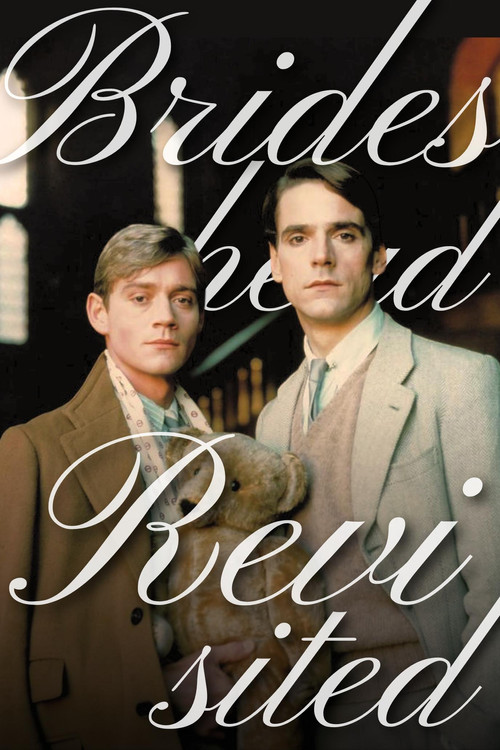
Brideshead Revisited
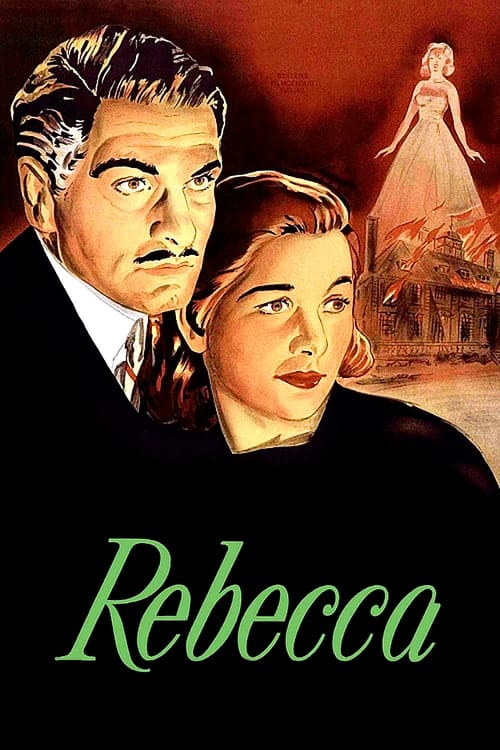
Rebecca
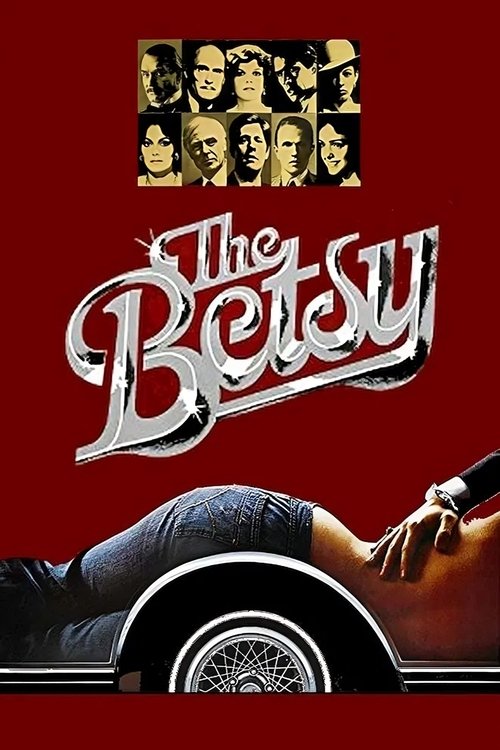
The Betsy
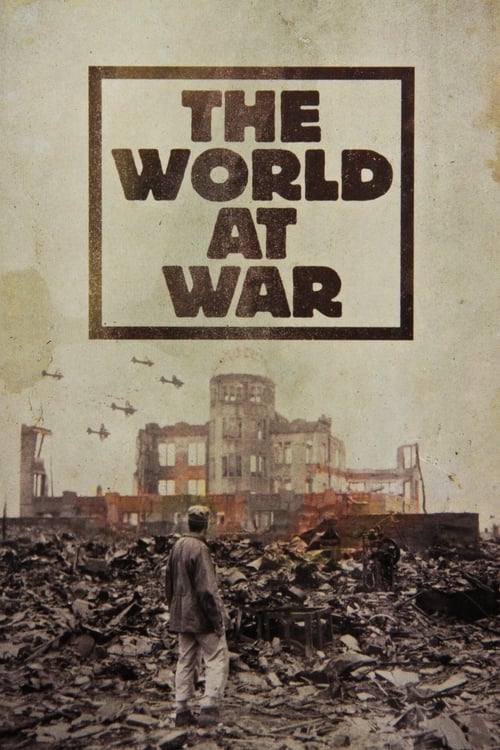
The World at War
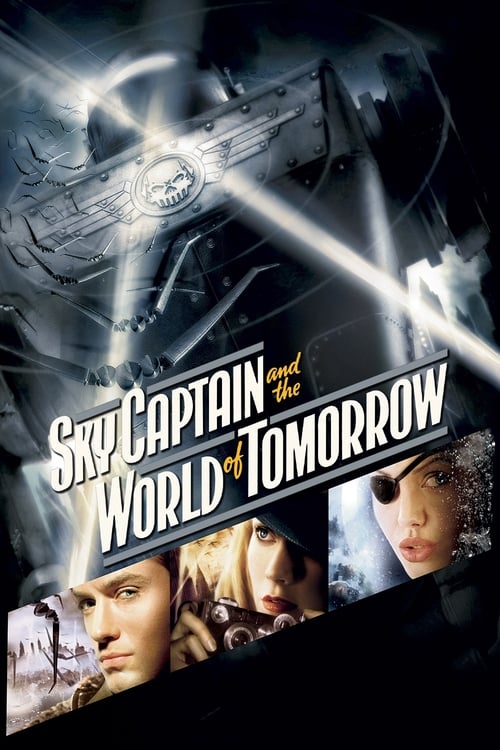
Sky Captain and the World of Tomorrow
ABC Stage 67
Talking Pictures
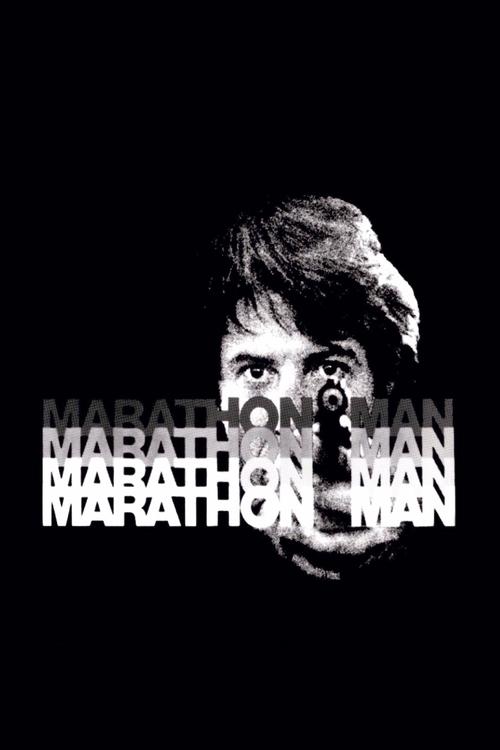
Marathon Man
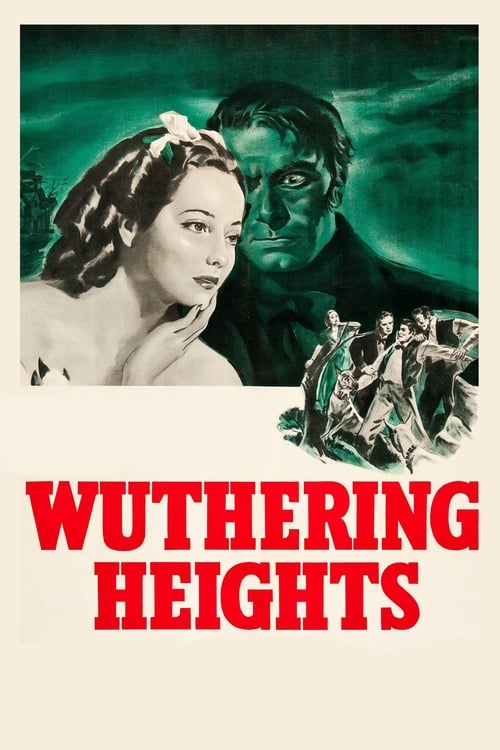
Wuthering Heights
The Bounty
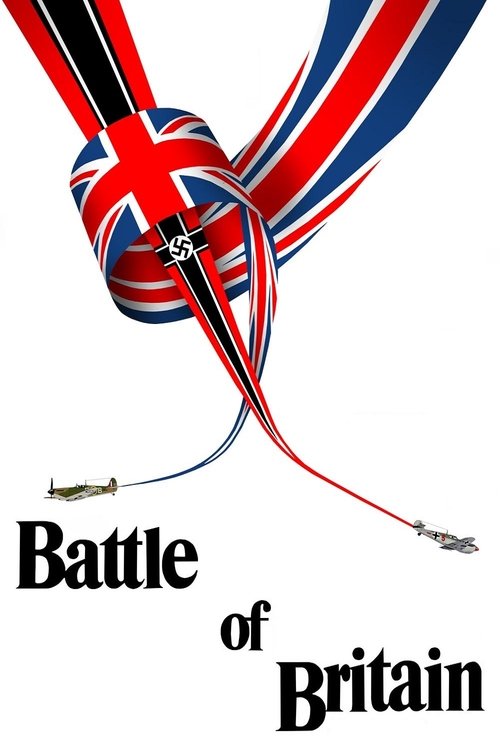
Battle of Britain

The Boys from Brazil
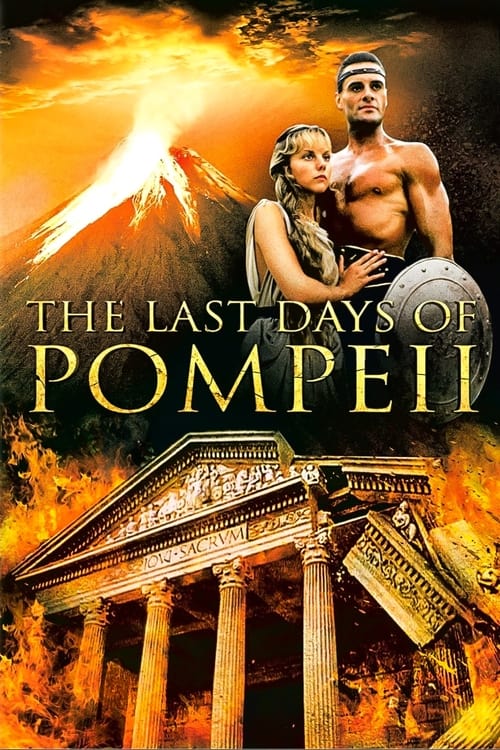
The Last Days of Pompeii
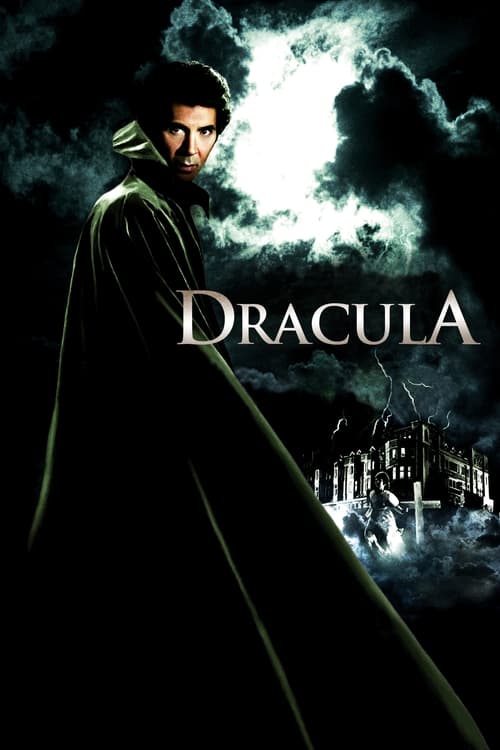
Dracula
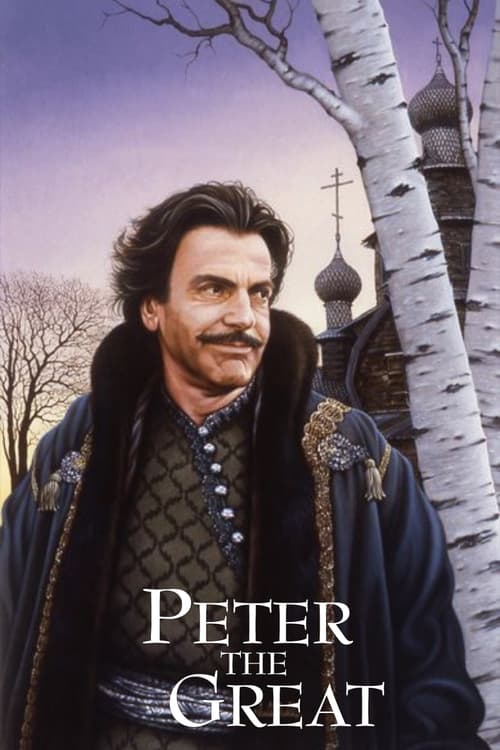
Peter the Great
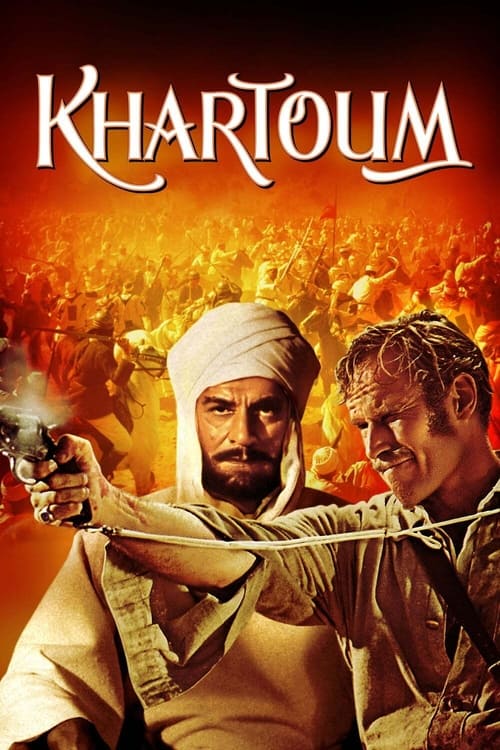
Khartoum
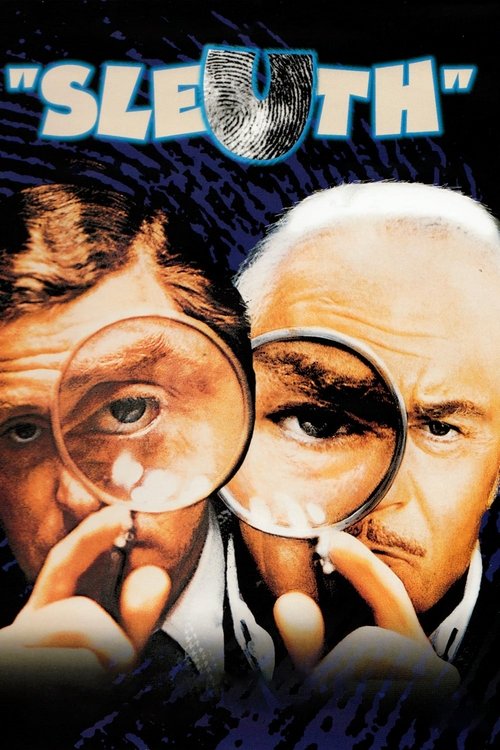
Sleuth
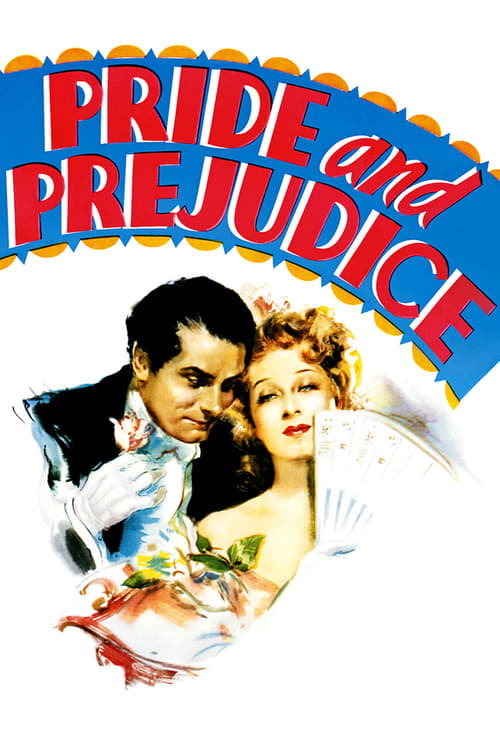
Pride and Prejudice

Nicholas and Alexandra
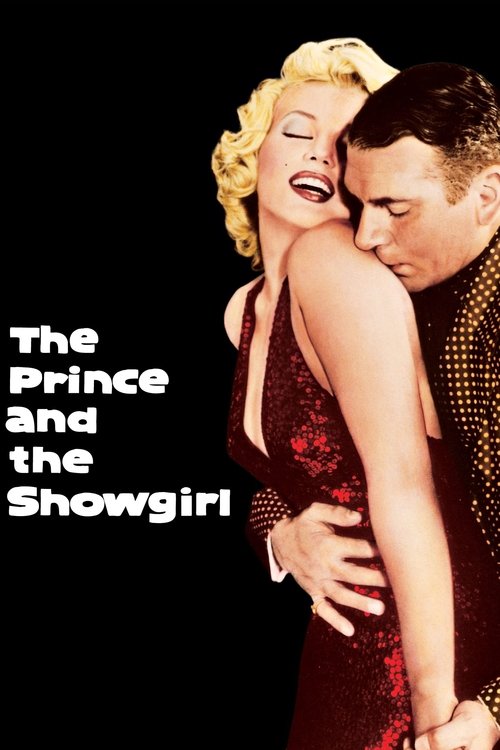
The Prince and the Showgirl
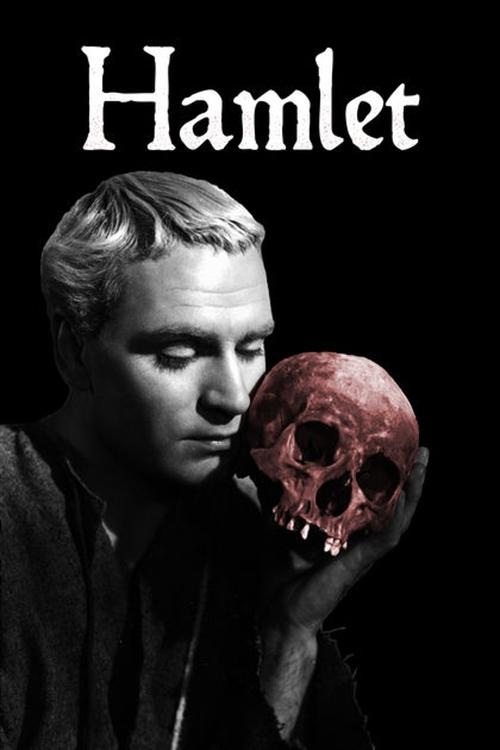
Hamlet
Laurence Olivier Presents

That Hamilton Woman
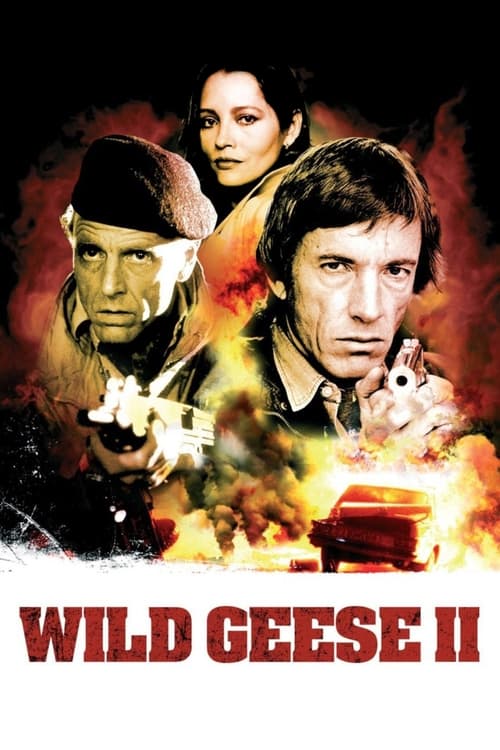
Wild Geese II
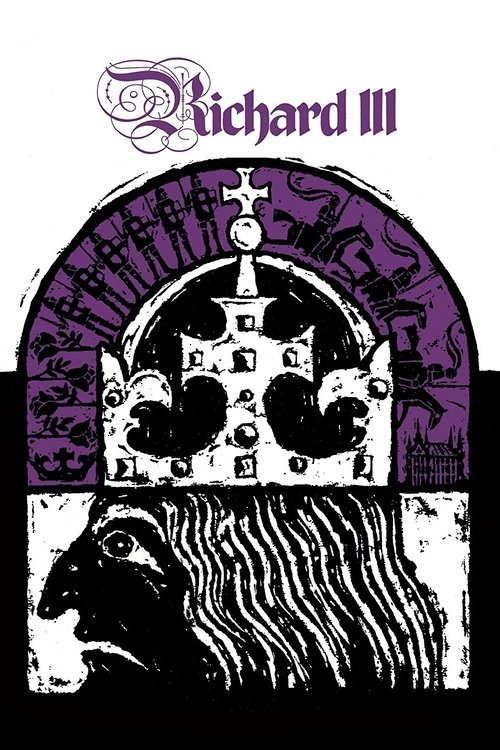
Richard III
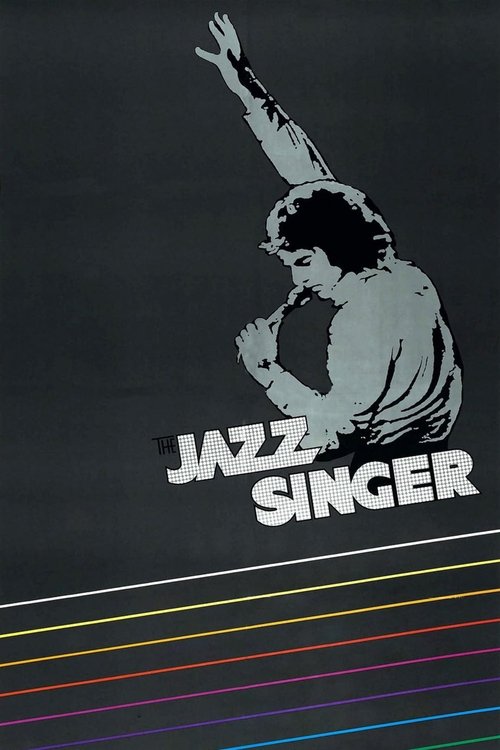
The Jazz Singer
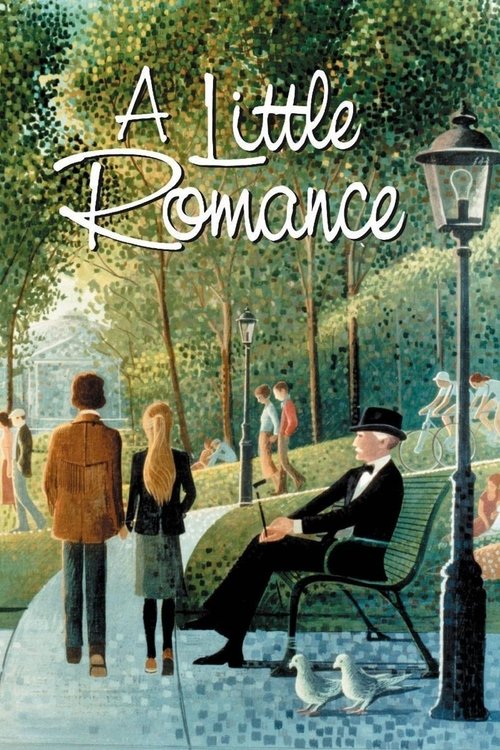
A Little Romance
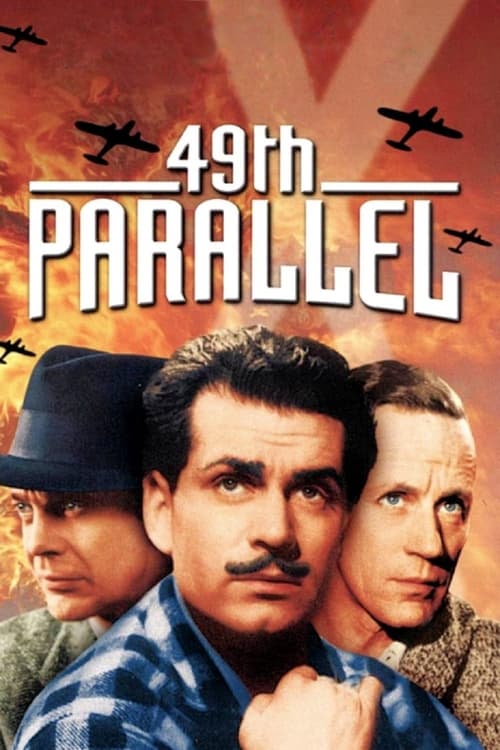
49th Parallel
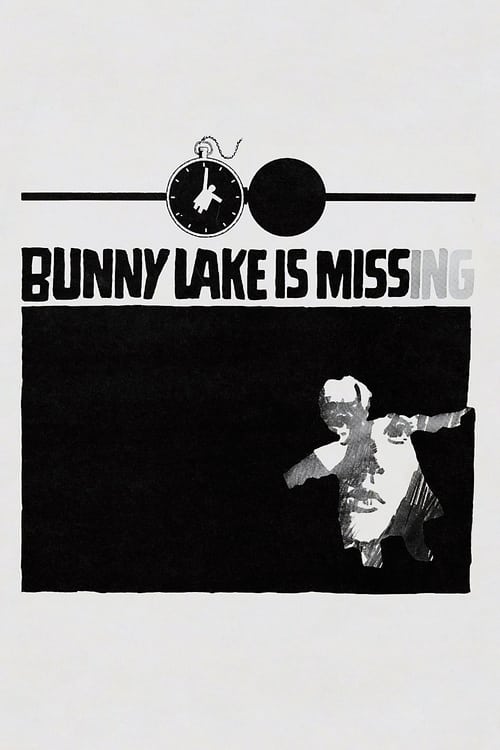
Bunny Lake Is Missing
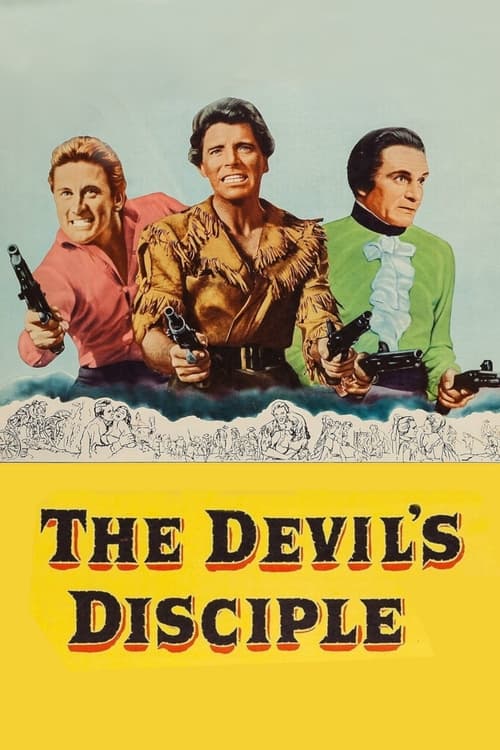
The Devil's Disciple
Westward Passage
Wagner
Lost Empires

The Shoes of the Fisherman
Night of 100 Stars II
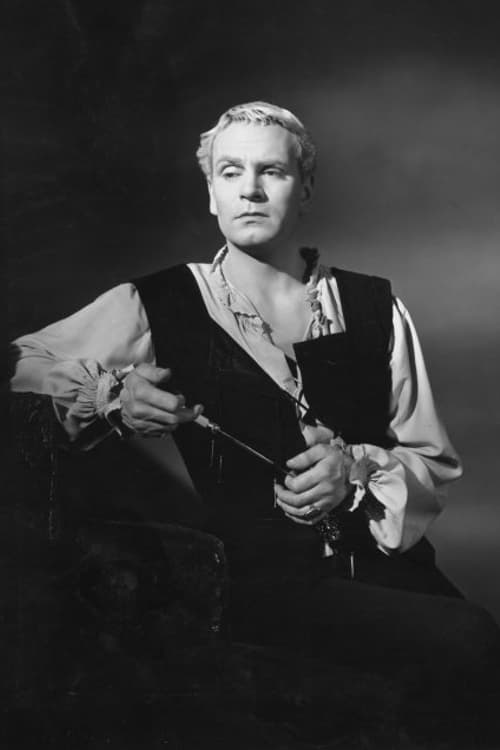
To Be Hamlet
Oh! What a Lovely War
Male of the Species

The Seven-Per-Cent Solution
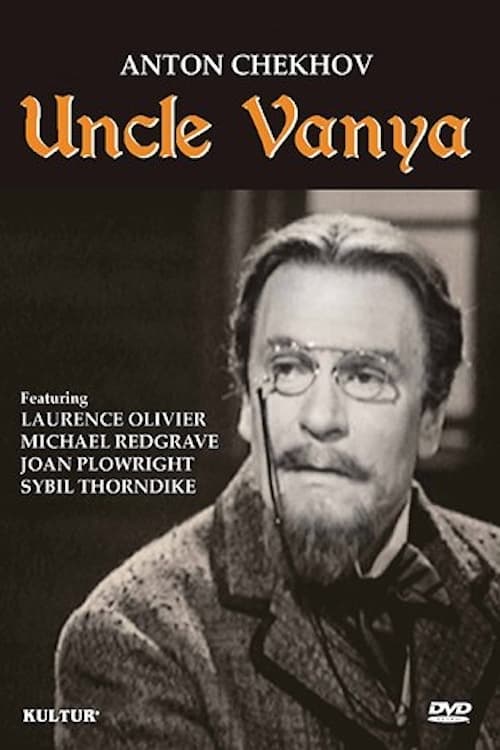
Uncle Vanya
Scotty and the Secret History of Hollywood
Nothing Like a Dame
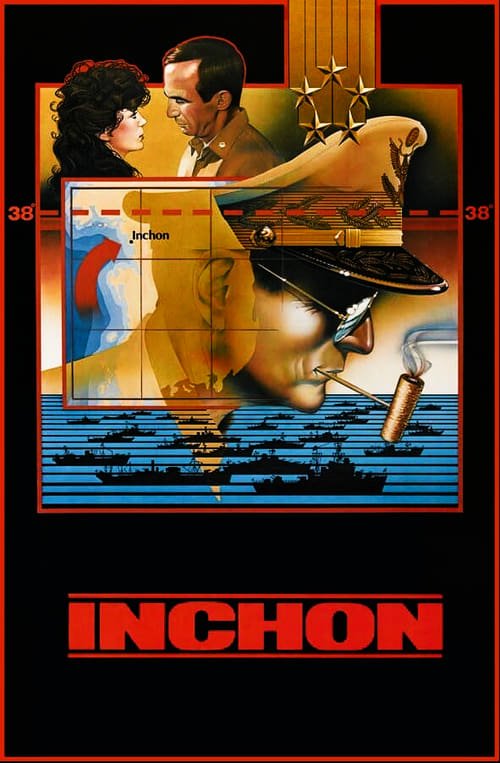
Inchon
Hannibal Hopkins & Sir Anthony
Daphne Laureola
Directing
4 credits
Producing
4 credits
Writing
3 credits
Track what you watch
DuckTrack members see which of these they have already watched,
right here on this page.
Create a free account
Comments
0 commentsNo comments yet. Sign in to be the first.