
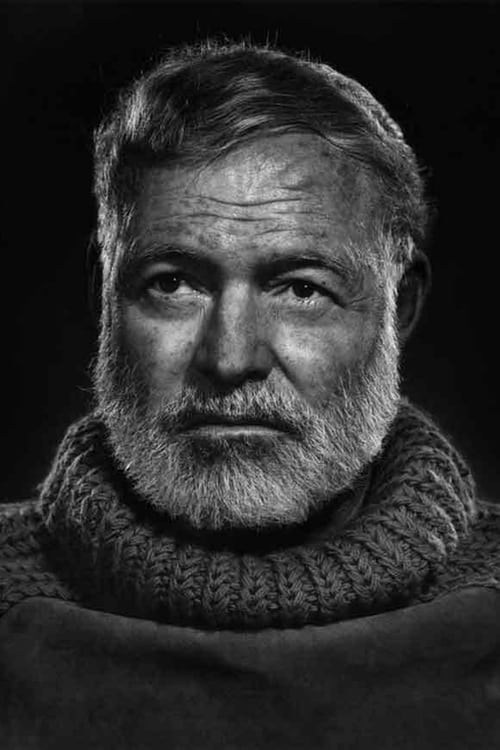
Ernest Hemingway
Writing
Born 1899-07-21
Died 1961-07-02
Oak Park, Illinois, USA
61 credits
Read biography
Description above from the Wikipedia Ernest Hemingway (journalist), licensed under CC-BY-SA, full list of contributors on Wikipedia.
Ernest Miller Hemingway (July 21, 1899 – July 2, 1961) was an American journalist, novelist, short-story writer, and sportsman. His economical and understated style—which he termed the iceberg theory—had a strong influence on 20th-century fiction, while his adventurous lifestyle and his public image brought him admiration from later generations. Hemingway produced most of his work between the mid-1920s and the mid-1950s, and he won the Nobel Prize in Literature in 1954. He published seven novels, six short-story collections, and two nonfiction works. Three of his novels, four short-story collections, and three nonfiction works were published posthumously. Many of his works are considered classics of American literature.
Hemingway was raised in Oak Park, Illinois. After high school, he was a reporter for a few months for The Kansas City Star before leaving for the Italian Front to enlist as an ambulance driver in World War I. In 1918, he was seriously wounded and returned home. His wartime experiences formed the basis for his novel A Farewell to Arms (1929).
In 1921, Hemingway married Hadley Richardson, the first of four wives. They moved to Paris where he worked as a foreign correspondent and fell under the influence of the modernist writers and artists of the 1920s' "Lost Generation" expatriate community. His debut novel The Sun Also Rises was published in 1926. He divorced Richardson in 1927 and married Pauline Pfeiffer; they divorced after he returned from the Spanish Civil War, where he had been a journalist. He based For Whom the Bell Tolls (1940) on his experience there. Martha Gellhorn became his third wife in 1940; they separated after he met Mary Welsh in London during World War II. He was present with the troops as a journalist at the Normandy landings and the liberation of Paris.
Hemingway maintained permanent residences in Key West, Florida (in the 1930s), and Cuba (in the 1940s and 1950s). He almost died in 1954 after plane crashes on successive days; injuries left him in pain and ill health for much of the rest of his life. In 1959, he bought a house in Ketchum, Idaho, where, in mid-1961, he ended his own life.
Not enough member ratings yet.
Sign in to rate.
Filmography
— top 60 of 61
Writing
39 credits
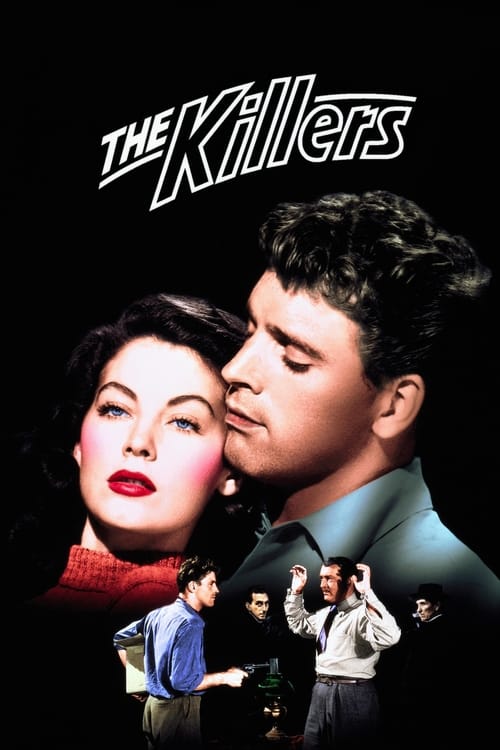
The Killers
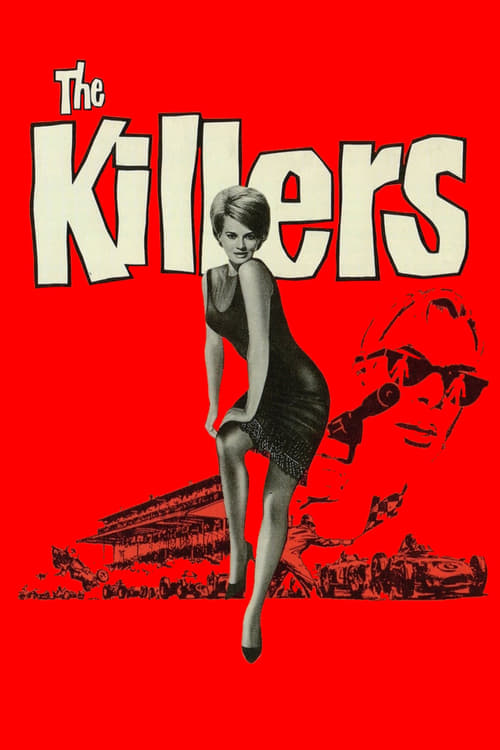
The Killers
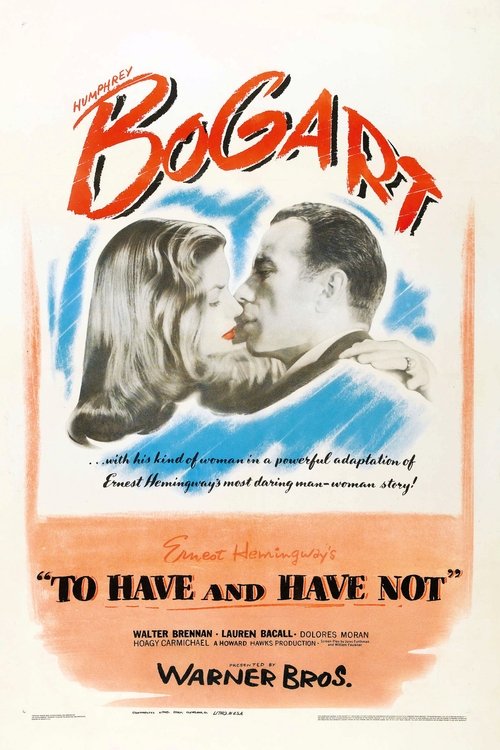
To Have and Have Not

A Farewell to Arms
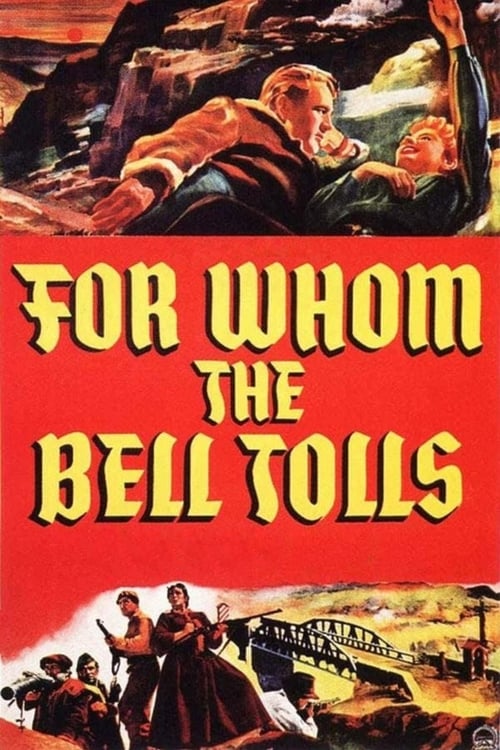
For Whom the Bell Tolls
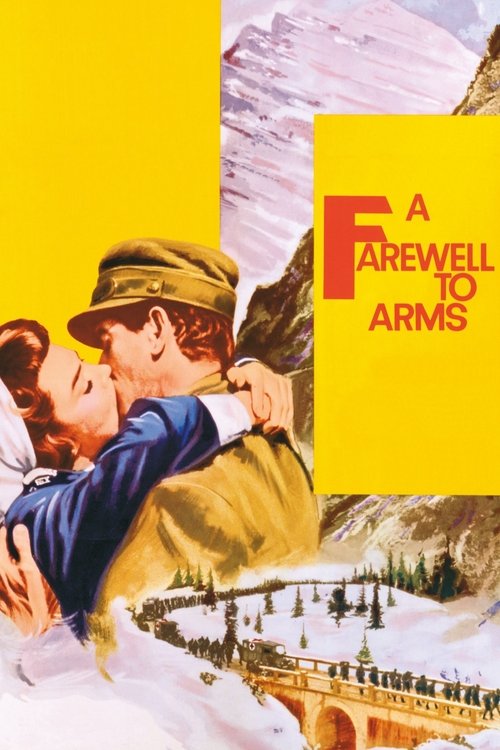
A Farewell to Arms
The Old Man and the Sea
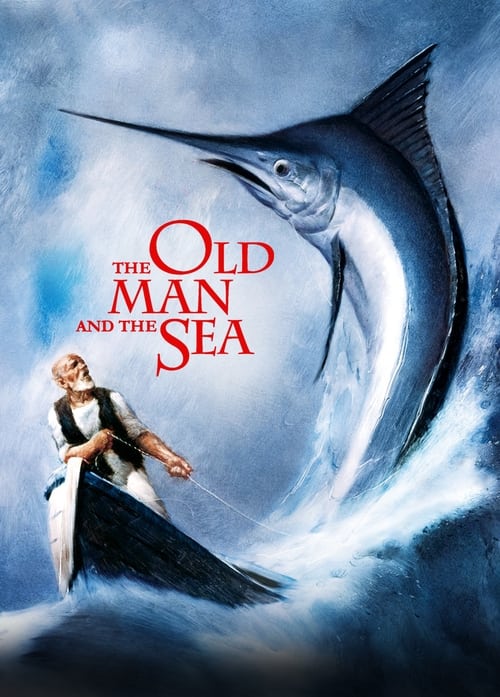
The Old Man and the Sea

Across the River and into the Trees
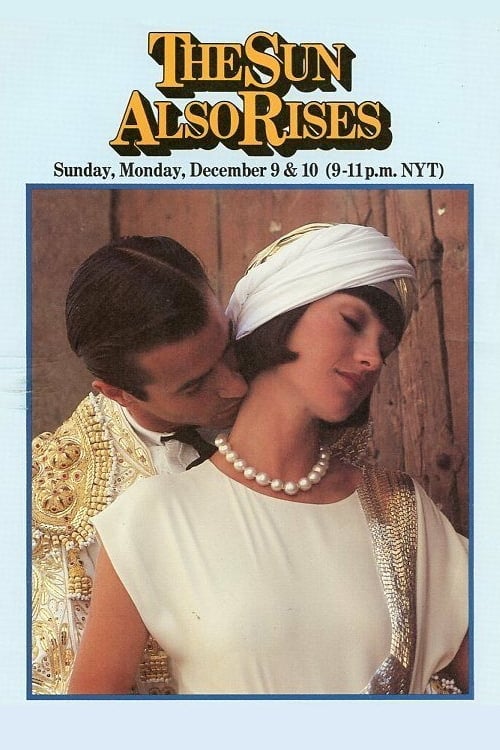
The Sun Also Rises
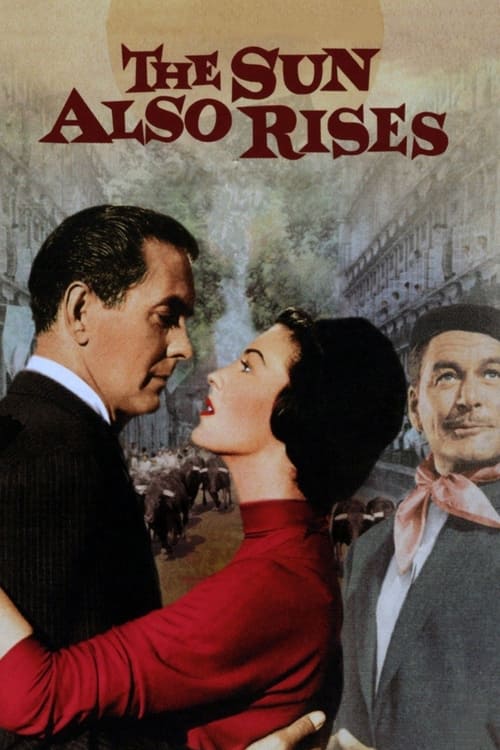
The Sun Also Rises
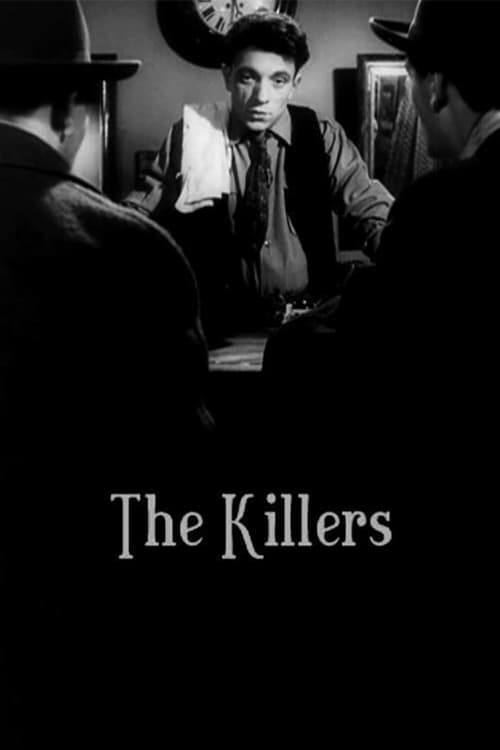
The Killers
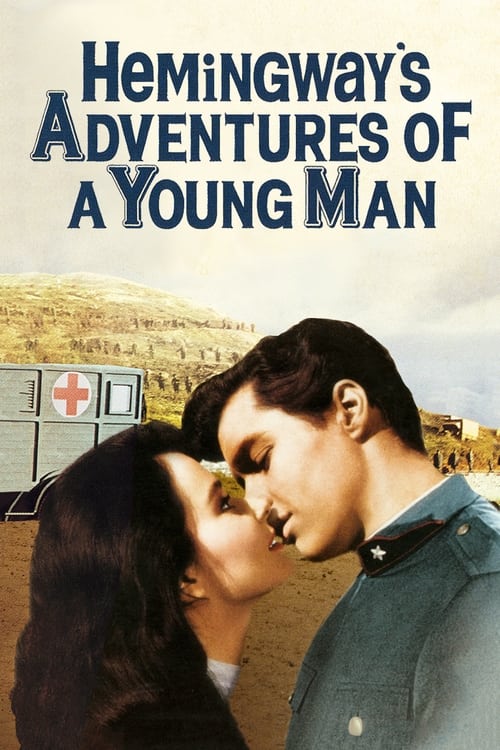
Hemingway’s Adventures of a Young Man
The Gun Runners
The Old Man and the Sea

I racconti di Ernest Hemingway
The Breaking Point
Garden of Eden
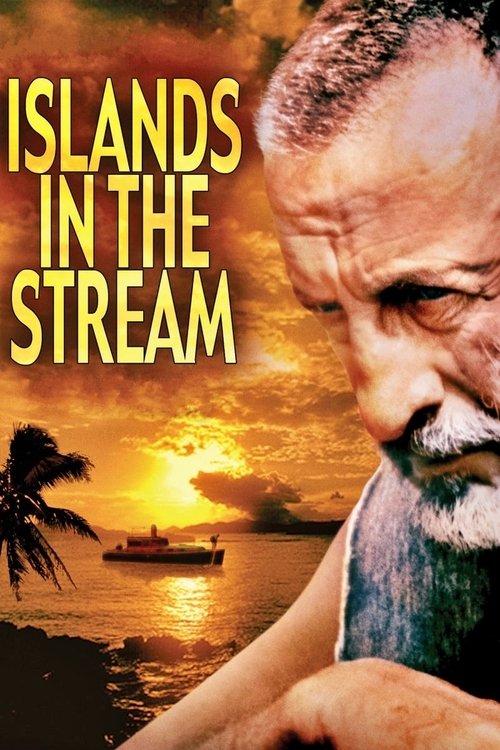
Islands in the Stream
A Farewell to Arms
Islands in the Stream
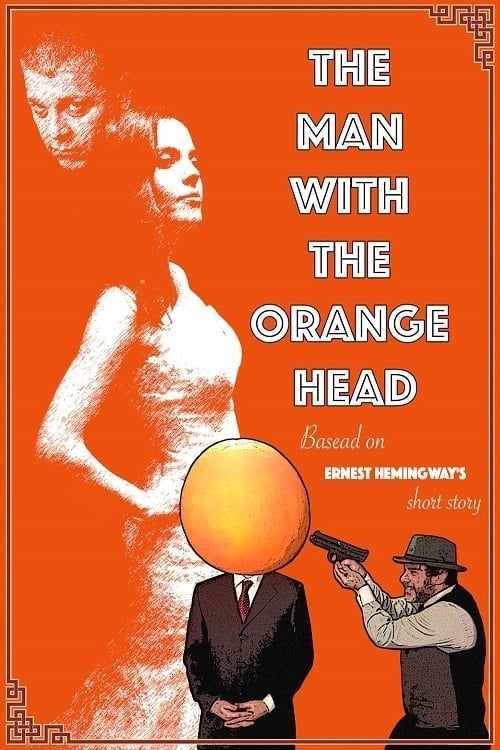
The Man With the Orange Head
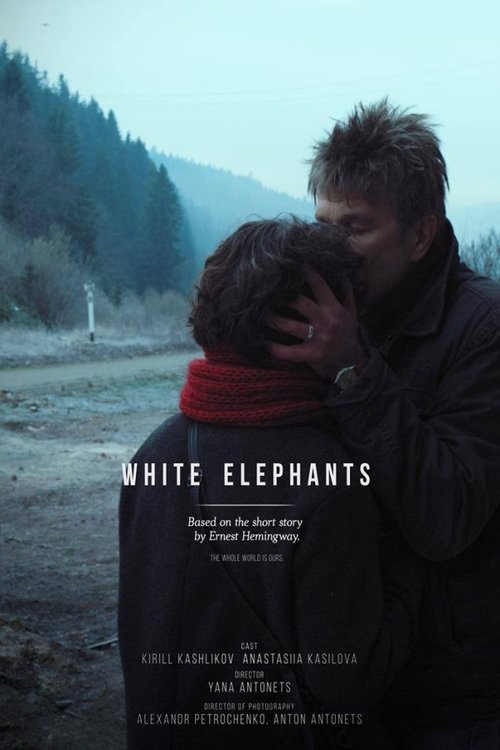
White Elephants
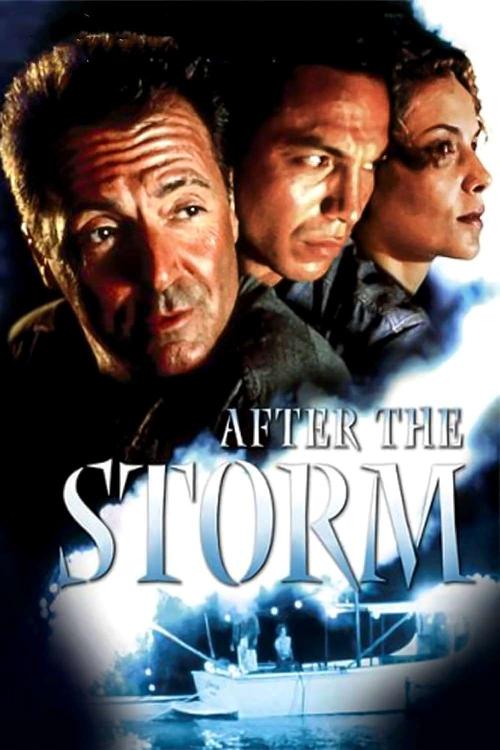
After the Storm
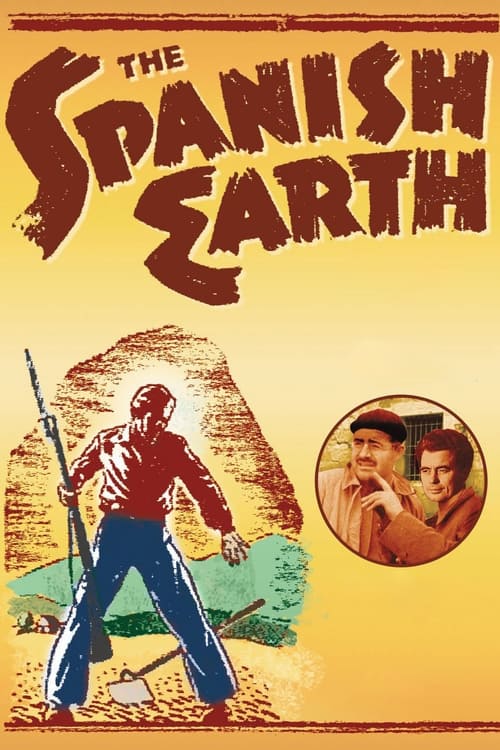
The Spanish Earth

Captain Khorshid
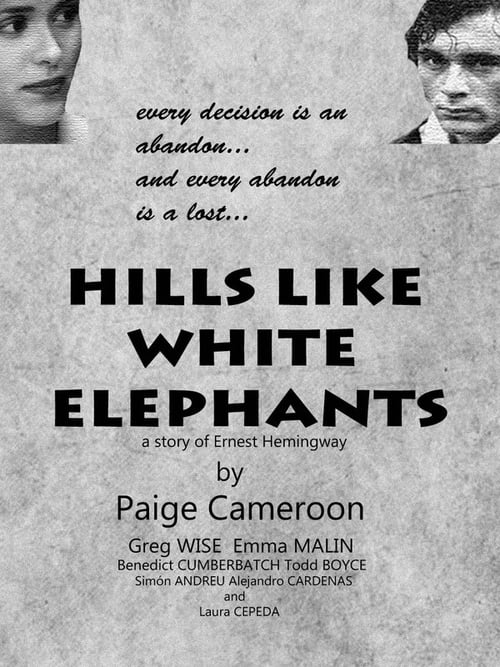
Hills Like White Elephants
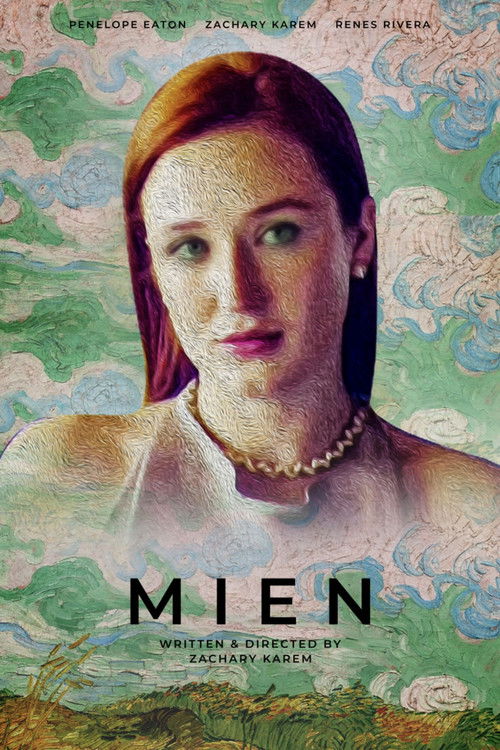
Mien
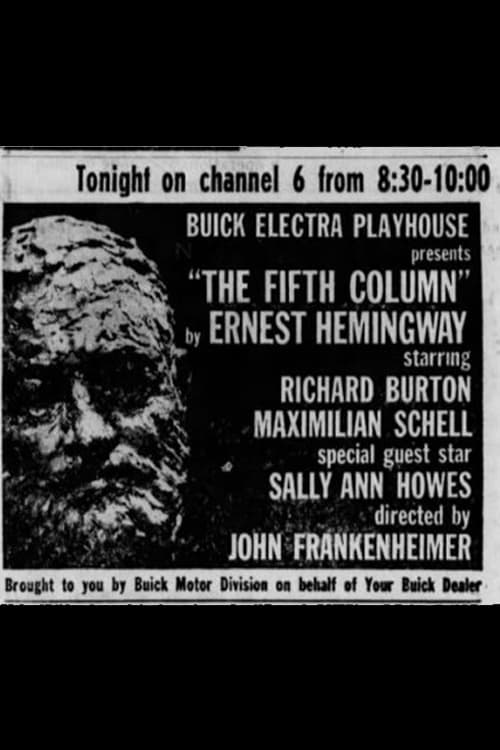
The Fifth Column
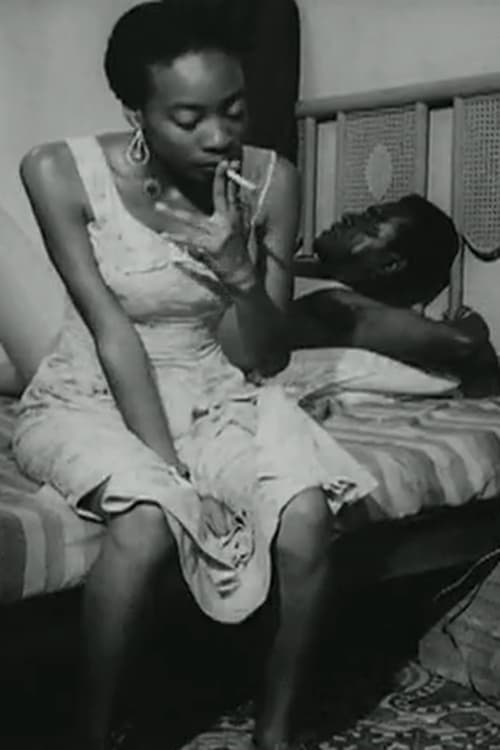
A Clean and Well Lit Place
Spain in Flames
Mise en Futilité
A Night About Love
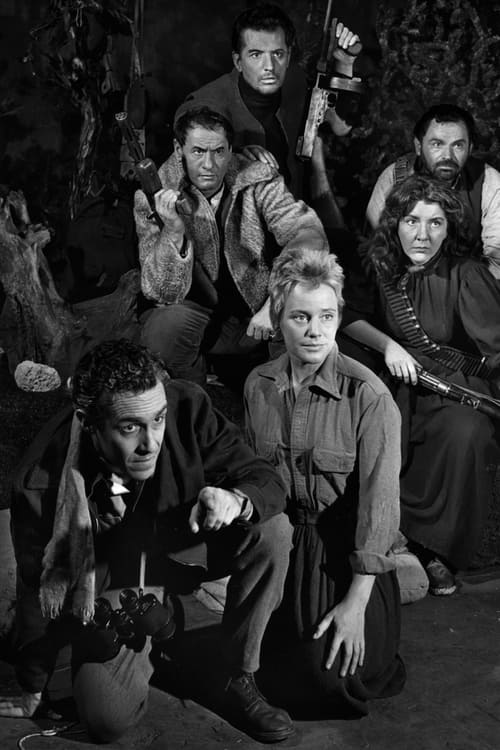
For Whom the Bell Tolls
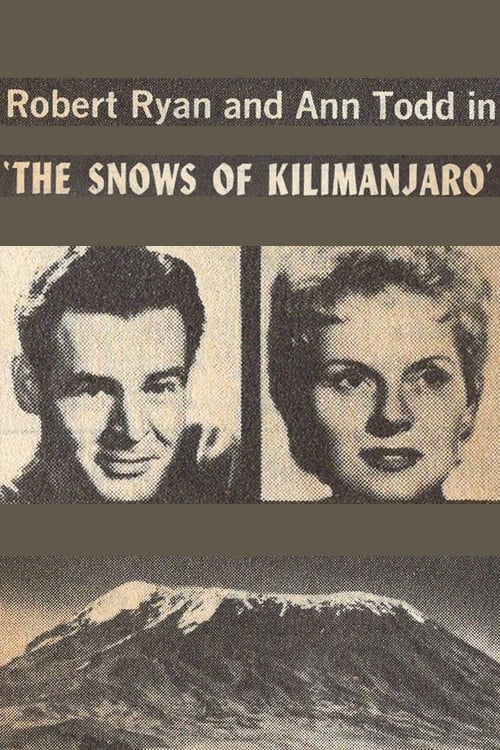
The Snows of Kilimanjaro
A Farewell to Arms

Fiesta
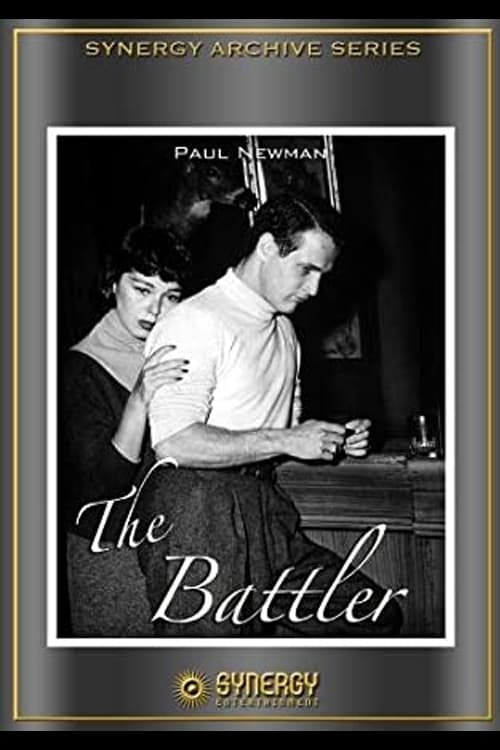
The Battler
The Sun Also Rises
Acting
19 credits
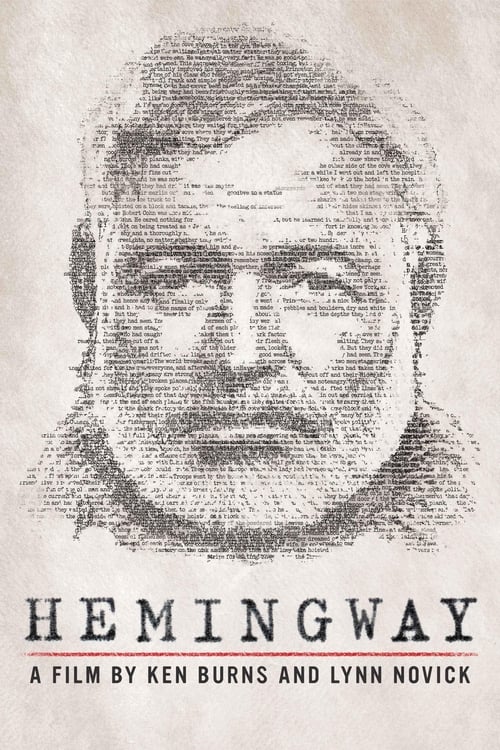
Hemingway
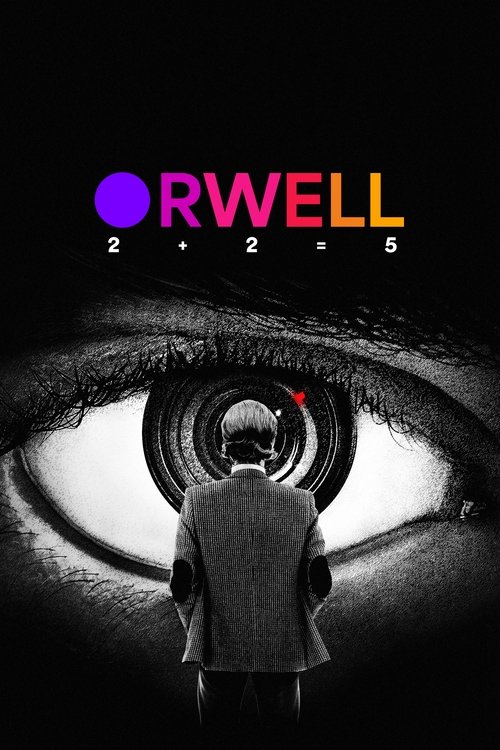
Orwell: 2+2=5

The Snows of Kilimanjaro
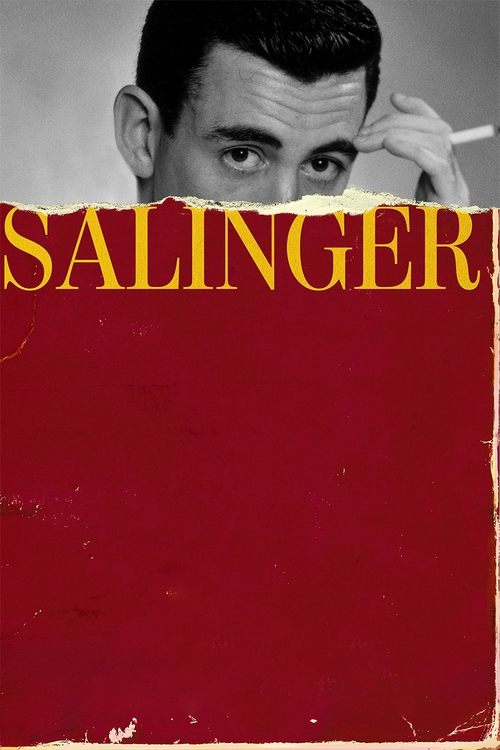
Salinger
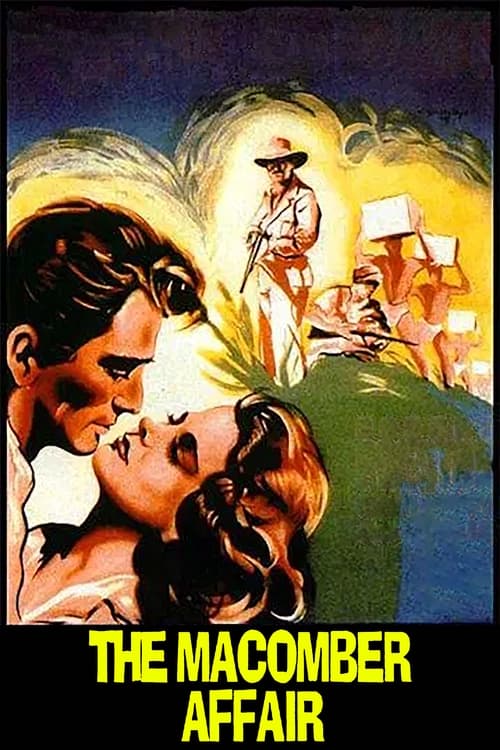
The Macomber Affair
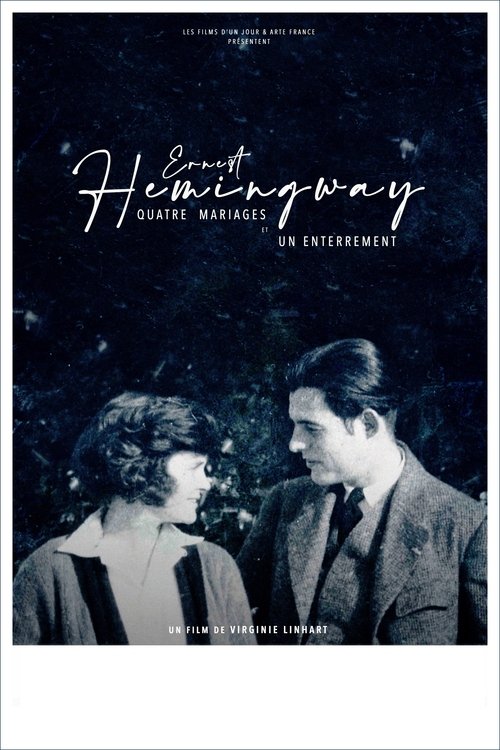
Ernest Hemingway: 4 Weddings and a Funeral
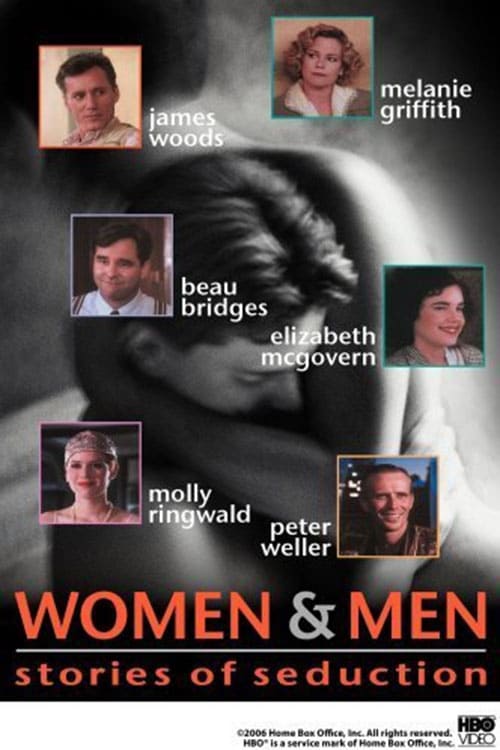
Women and Men: Stories of Seduction

The Killers
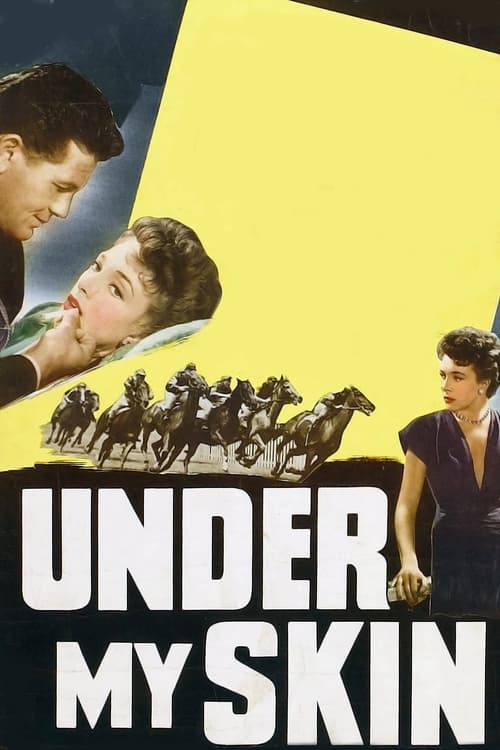
Under My Skin
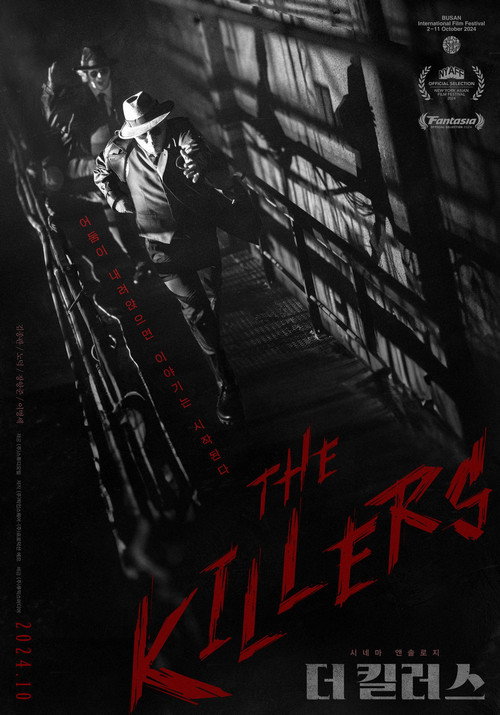
The Killers-Special Track
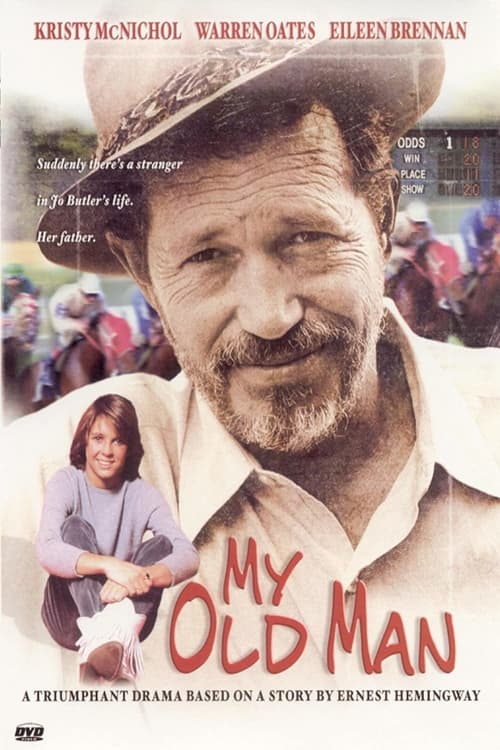
My Old Man
The Spanish Earth
Hills Like White Elephants
Ava Gardner: Life Is Bigger Than the Movies
Gary Cooper: American Life, American Legend
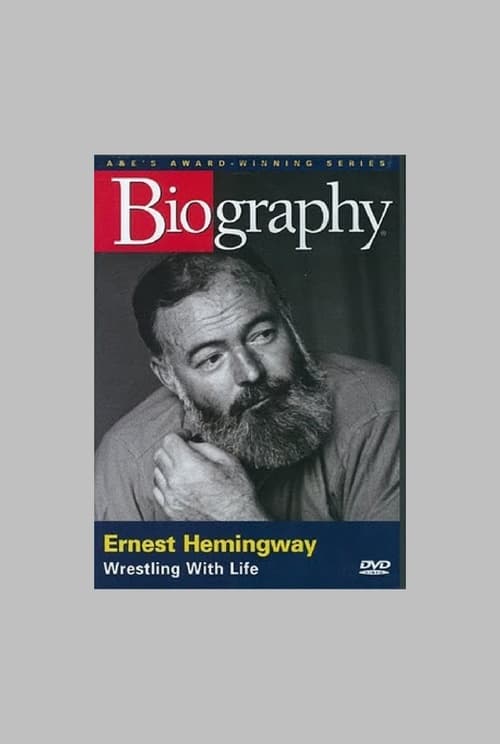
Ernest Hemingway: Wrestling with Life
Soldier's Home
Night Express

A Farewell to Arms.
Other credits
3 credits
Track what you watch
DuckTrack members see which of these they have already watched,
right here on this page.
Create a free account
Comments
0 commentsNo comments yet. Sign in to be the first.