
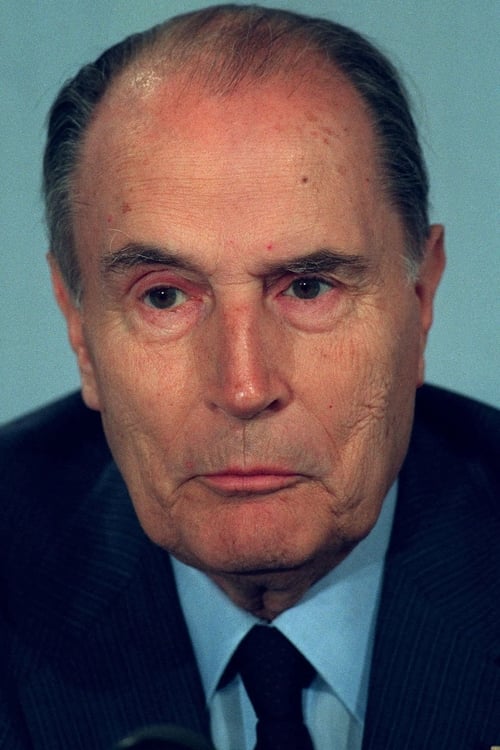
François Mitterrand
Acting
Born 1916-10-26
Died 1996-01-08
Jarnac, Charente, France
64 credits
Honorary doctor of the University of Gdańsk 1
Order of the Three Stars, 1st Class 1
Officer of the Legion of Honour 1
Croix de guerre 1939–1945 1
Awards
Won 1 Honorary doctor of the University of Gdańsk Award
Honorary doctor of the University of Gdańsk 1 won
- — Honorary doctor of the University of Gdańsk Won
Order of the Three Stars, 1st Class 1 won
- — Order of the Three Stars, 1st Class Won
Officer of the Legion of Honour 1 won
- — Officer of the Legion of Honour Won
Croix de guerre 1939–1945 1 won
- — Croix de guerre 1939–1945 Won
Award data from Wikidata (CC0). Coverage may be incomplete.
Read biography
François Maurice Adrien Marie Mitterrand (26 October 1916 – 8 January 1996) was a French politician and statesman who served as President of France from 1981 to 1995, the longest holder of that position in the history of France. As a former Socialist Party First Secretary, he was the first left-wing politician to assume the presidency under the Fifth Republic.
Due to family influences, Mitterrand started his political life on the Catholic nationalist right. He served under the Vichy regime during its earlier years. Subsequently, he joined the Resistance, moved to the left, and held ministerial office several times under the Fourth Republic. Mitterrand opposed Charles de Gaulle's establishment of the Fifth Republic. Although at times a politically isolated figure, he outmanoeuvred rivals to become the left's standard bearer in the 1965 and 1974 presidential elections, before being elected president in the 1981 presidential election. He was re-elected in 1988 and remained in office until 1995.
Mitterrand invited the Communist Party into his first government, which was a controversial decision at the time. However, the Communists were boxed in as junior partners and, rather than taking advantage, saw their support eroded, eventually leaving the cabinet in 1984.
Early in his first term, Mitterrand followed a radical left-wing economic agenda, including nationalisation of key firms and the introduction of the 39-hour work week. He likewise pushed a progressive agenda with reforms such as the abolition of the death penalty, and the end of a government monopoly in radio and television broadcasting. He was also a strong promoter of French culture and implemented a range of "Grands Projets". However, faced with economic tensions, he soon abandoned his nationalization programme, in favour of austerity and market liberalization policies. In 1985, he was faced with a major controversy after ordering the bombing of the Rainbow Warrior, a Greenpeace vessel docked in Auckland. Later in 1991, he became the first French President to appoint a female prime minister, Édith Cresson. During his presidency, Mitterrand was twice forced by the loss of a parliamentary majority into "cohabitation governments" with conservative cabinets led, respectively, by Jacques Chirac (1986–1988), and Édouard Balladur (1993–1995).
Mitterrand’s foreign and defence policies built on those of his Gaullist predecessors, except in regard to their reluctance to support European integration, which he reversed. His partnership with German chancellor Helmut Kohl advanced European integration via the Maastricht Treaty, and he accepted German reunification.
Less than eight months after leaving office, he died from the prostate cancer he had successfully concealed for most of his presidency. Beyond making the French Left electable, Mitterrand presided over the rise of the Socialist Party to dominance of the left, and the decline of the once-dominant Communist Party. ...
Source: Article "François Mitterrand" from Wikipedia in English, licensed under CC-BY-SA.
Not enough member ratings yet.
Sign in to rate.
Filmography
— top 60 of 64
Acting
59 credits
Apostrophes
Vivement dimanche
Le Grand Échiquier

30 millions d'amis

Il était une fois Champs-Élysées
Chernobyl: Inside the Meltdown

L'Heure de vérité
François Mitterrand : le roman du pouvoir

Laissez-faire
At War for Algeria
François Mitterrand : Conversations avec un Président

Mr & Mme Adelman
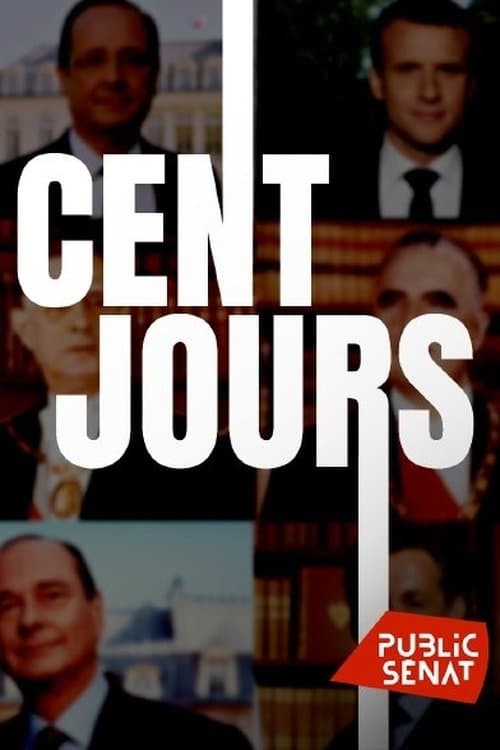
Cent jours
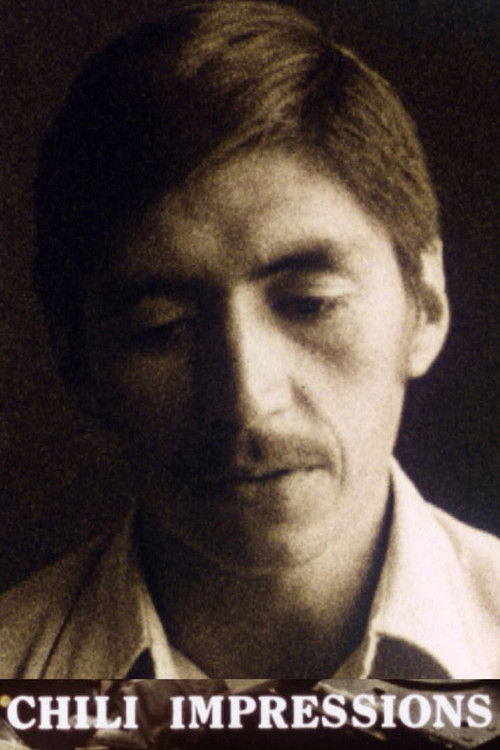
Chili Impressions
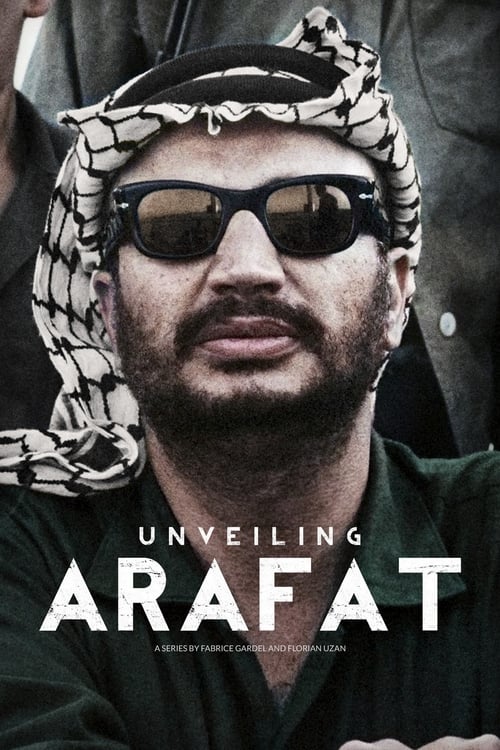
Unveiling Arafat
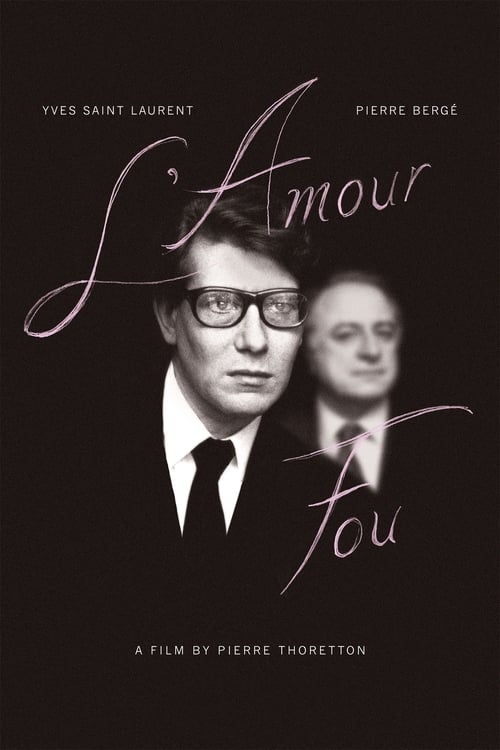
L'Amour Fou
Promesses

Fashion !
Magician: The Astonishing Life and Work of Orson Welles
Écoutez La Bourse Du Travail De Paris
The Incredible Mr. Piccoli
Reporters
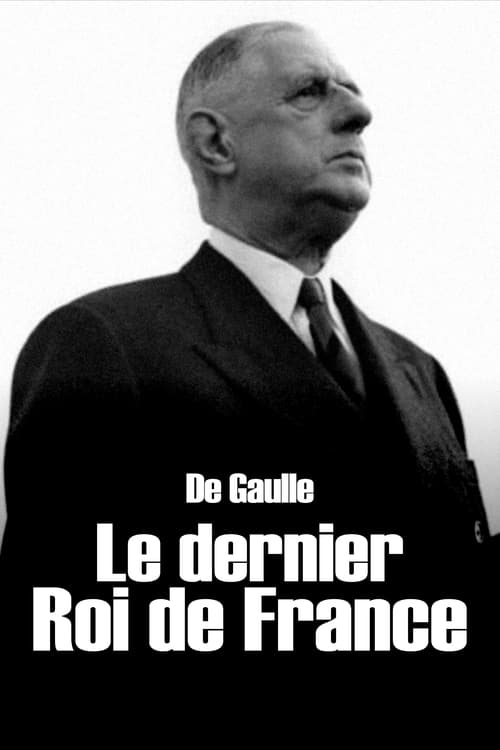
De Gaulle, the Last King of France

Télévision (histoires secrètes)
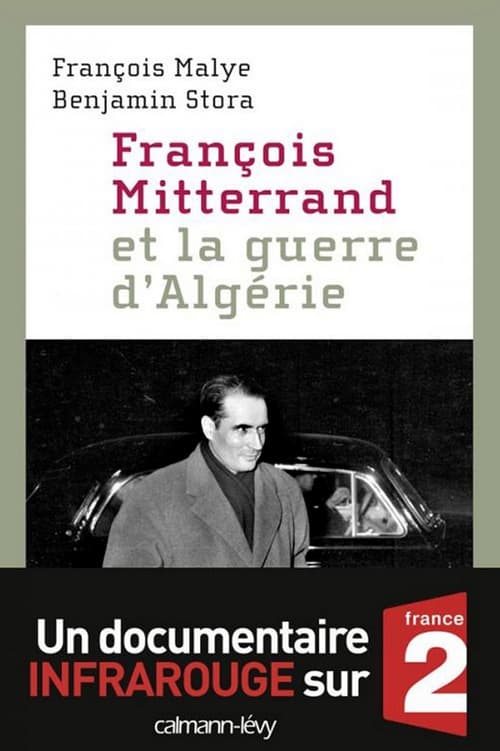
François Mitterrand et la guerre d'Algérie
Laboratory Greece
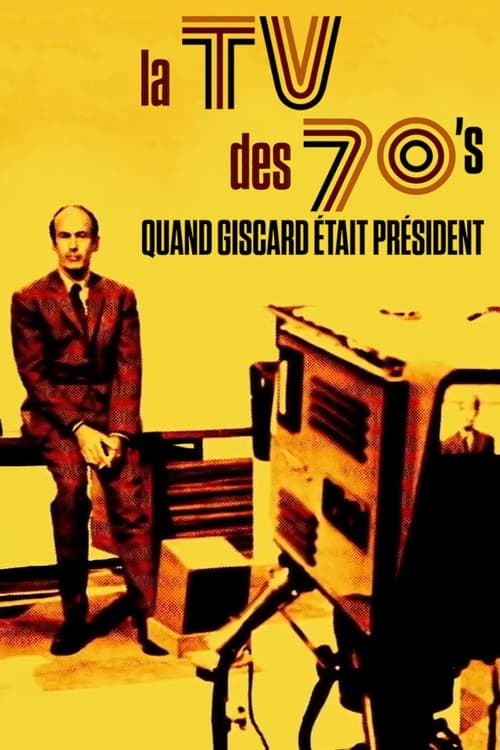
La TV des 70's : Quand Giscard était président
Statues Also Die
Owners of Portugal
1974, une partie de campagne
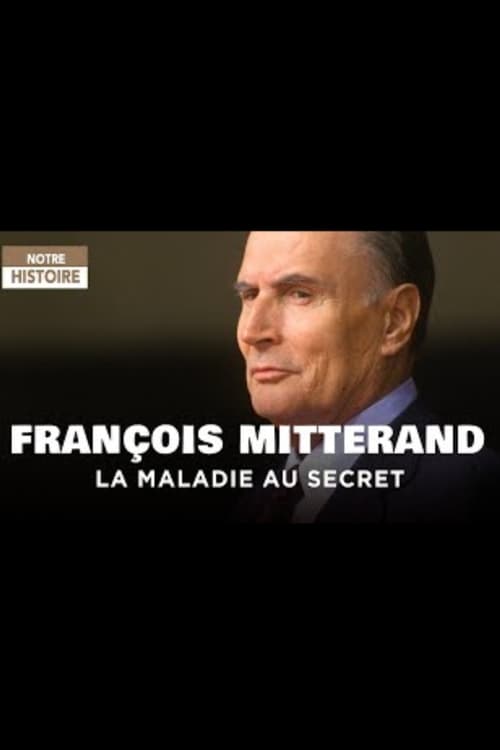
François Mitterrand, la maladie au secret
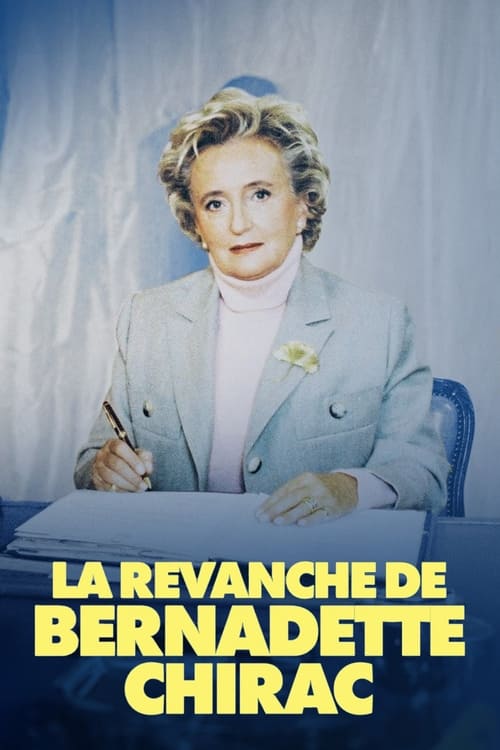
The Revenge of Bernadette Chirac
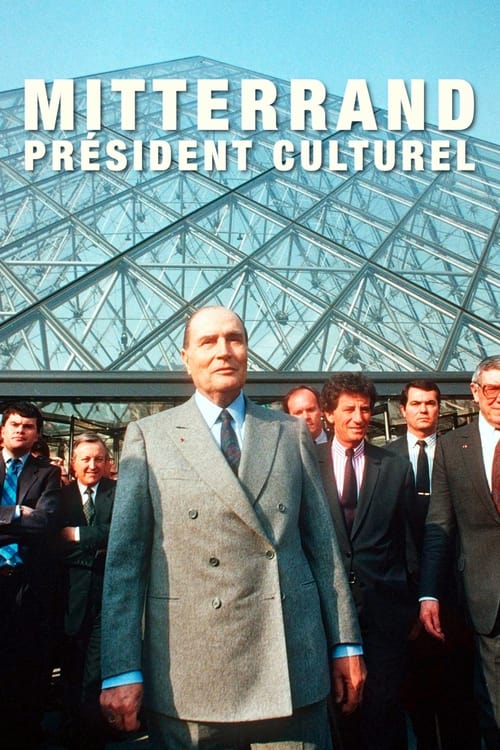
Mitterrand, président culturel
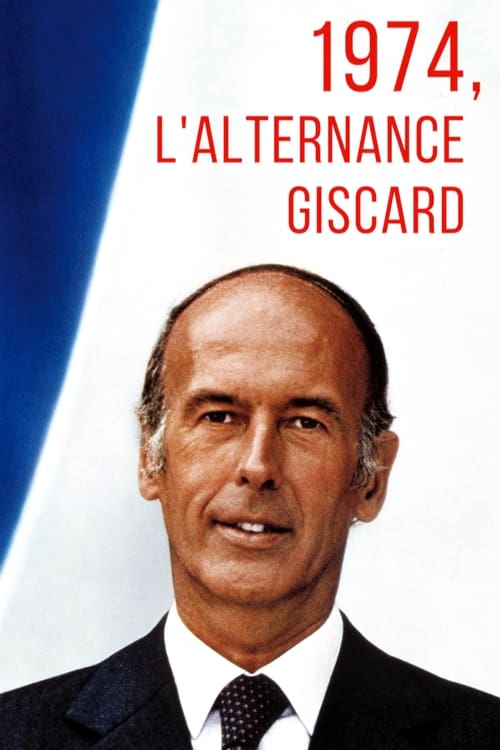
1974, l'alternance Giscard
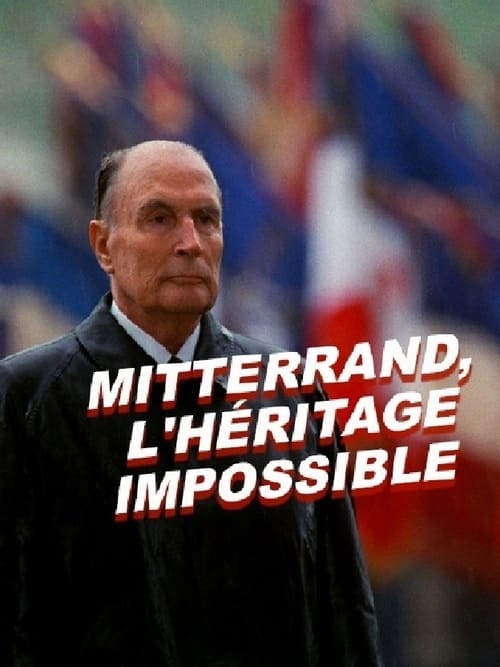
Mitterrand, the impossible legacy
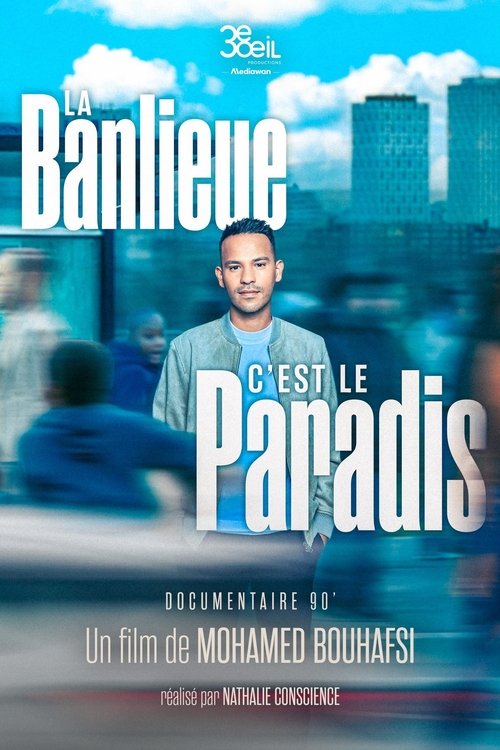
La banlieue, c’est le paradis
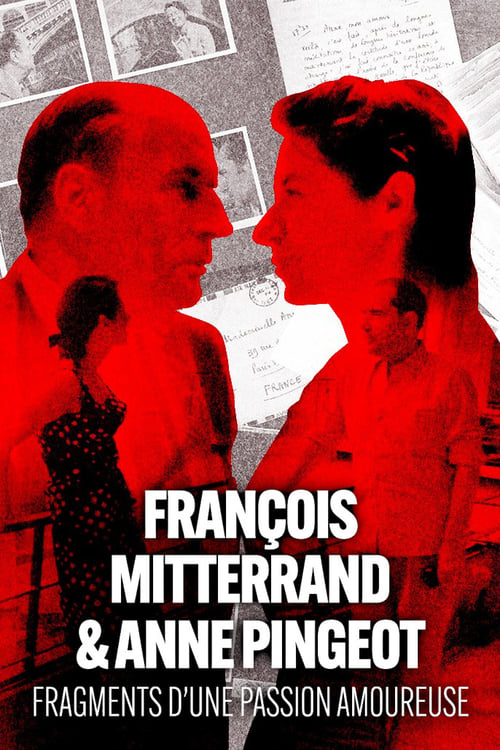
François Mitterrand & Anne Pingeot: Pieces of a Love Story

Les vendredis d'Apostrophes

The Society of the Spectacle
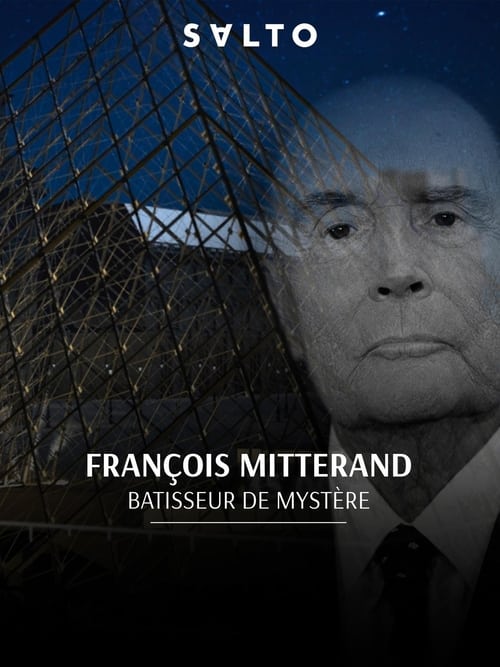
François Mitterrand : Bâtisseur de mystères
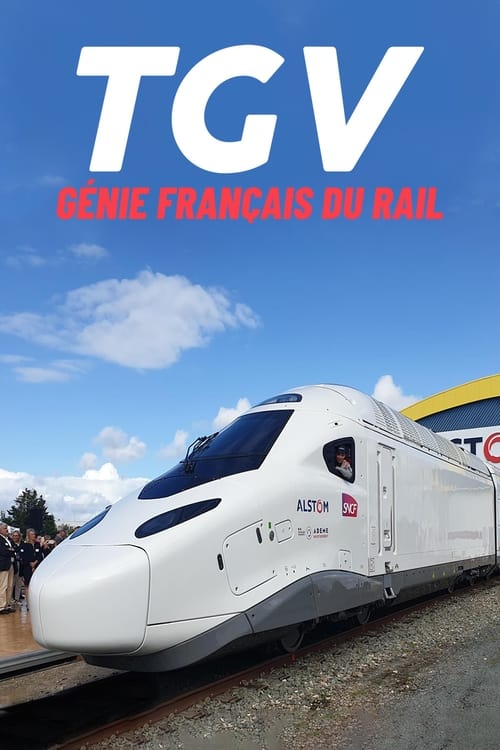
TGV, génie français du rail
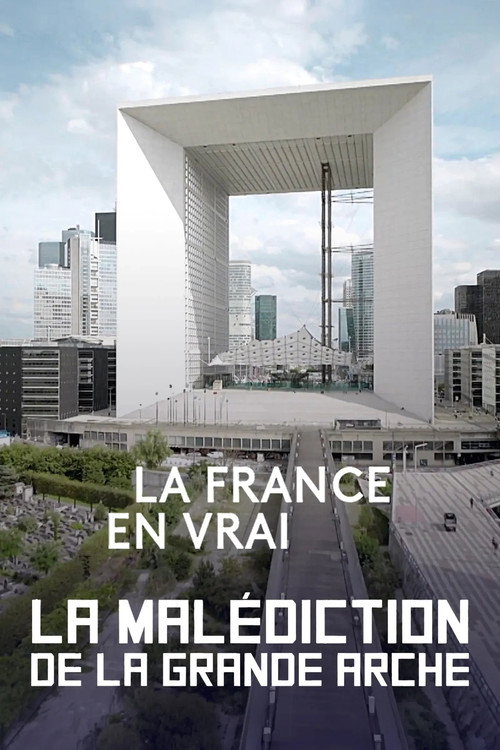
La Malédiction de la Grande Arche
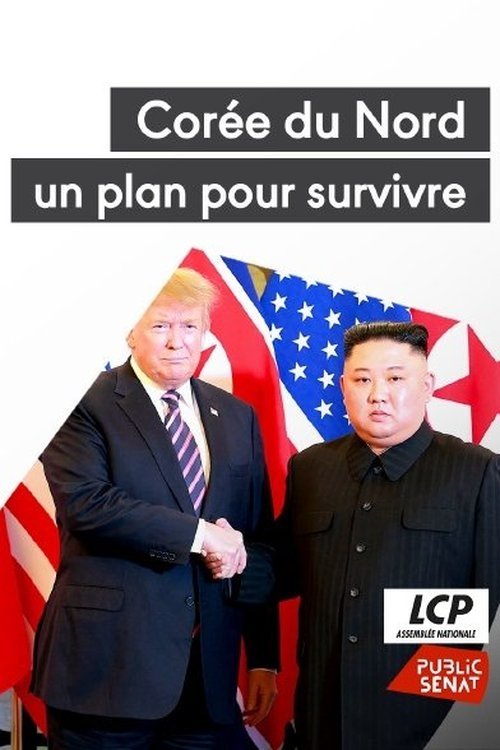
North Korea: A Plan to Survive
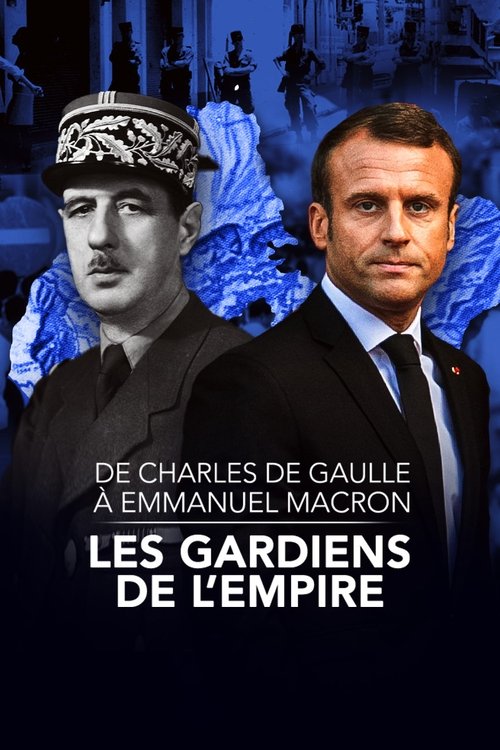
De Charles de Gaulle à Emmanuel Macron, les gardiens de l'empire
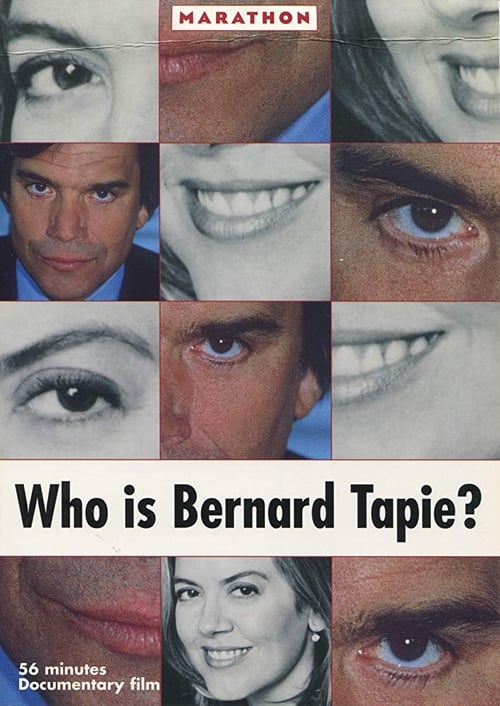
Who Is Bernard Tapie?

1958: Those Who Said No
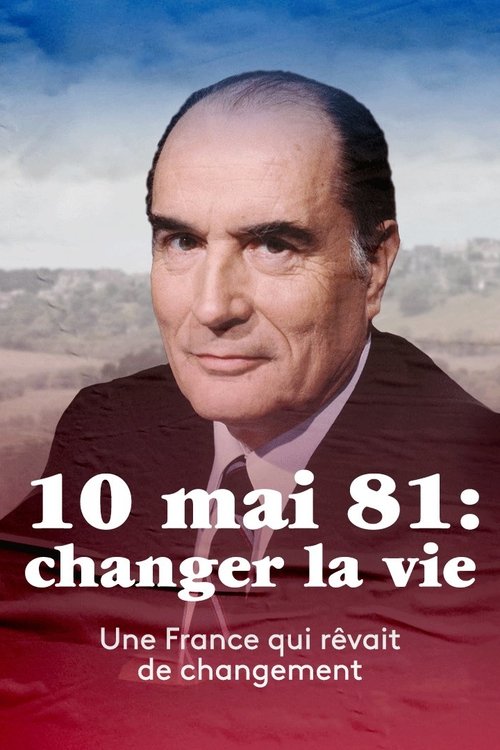
10 mai 1981 : Changer la vie ?
Un peu, beaucoup, passionnément... Les Présidents et les Français
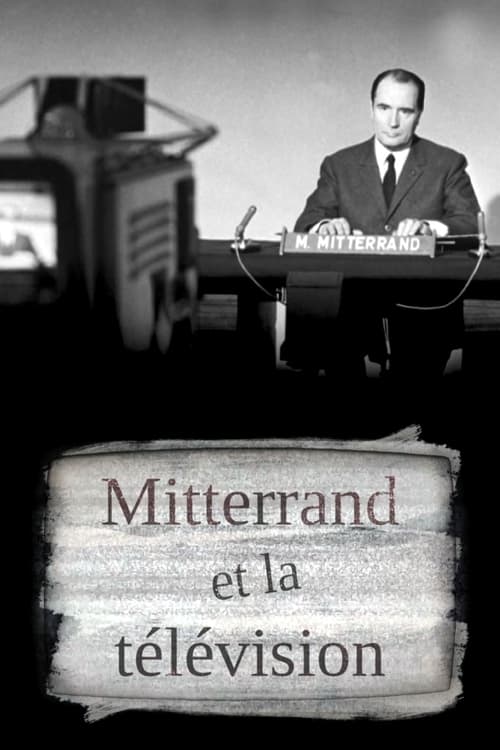
Mitterrand et la télé
De Gaulle, le géant aux pieds d'argile

Danielle Mitterrand, une certaine idée de la France
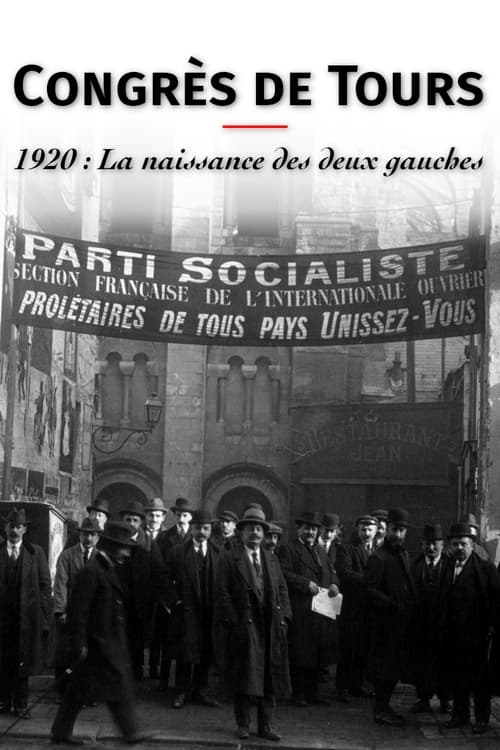
Congrès de Tours 1920: The Birth of the French Communist Party
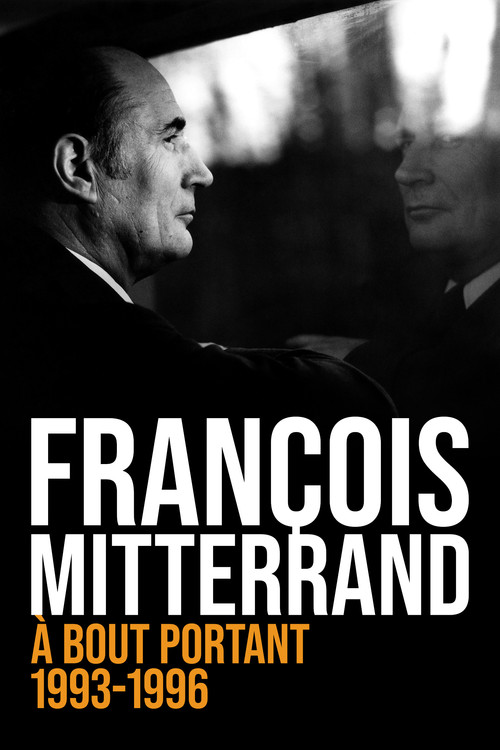
François Mitterrand, à bout portant : 1993-1996
Gare du Nord : La Plus Grande Gare d'Europe
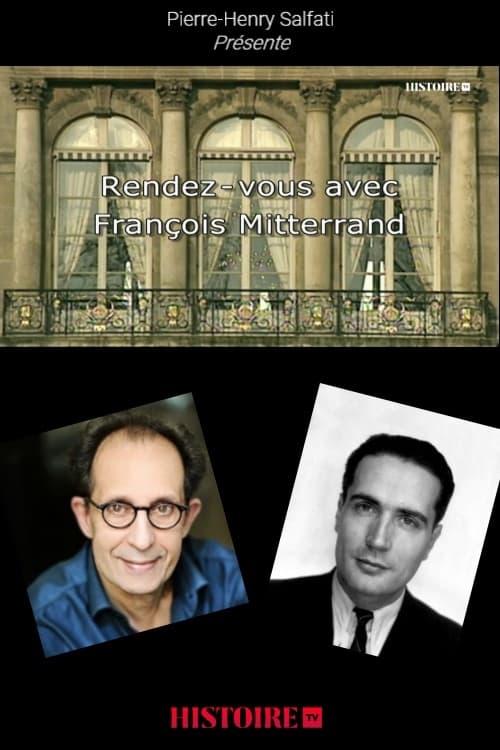
Rendez-vous avec François Mitterrand
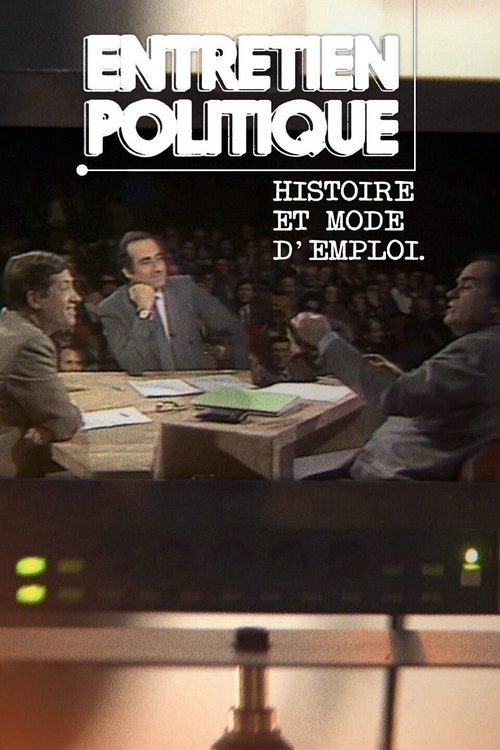
Entretien politique : Histoire et mode d'emploi
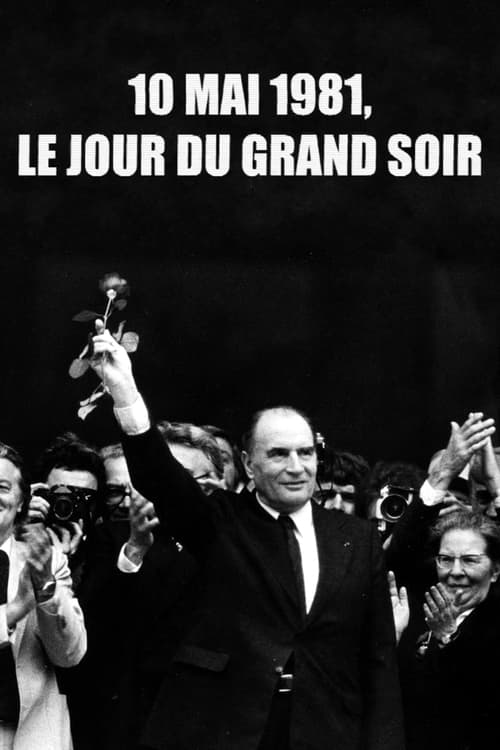
10 mai 1981, le jour du grand soir
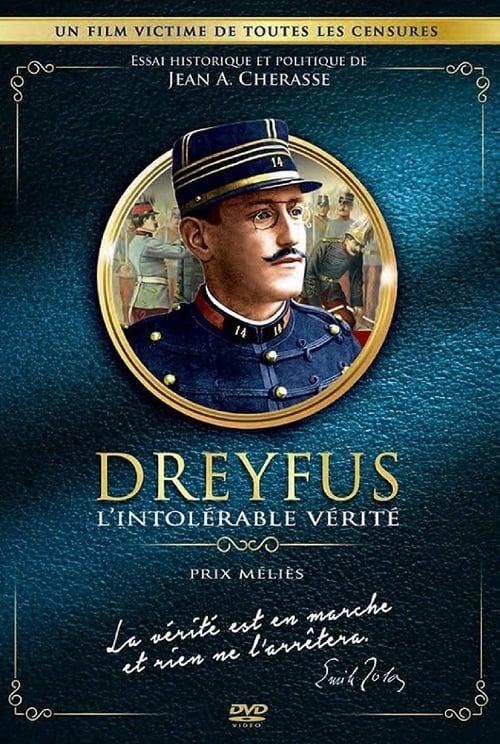
Dreyfus: The Intolerable Truth
Stupor Mundi: Livre 2, Les Hommes qui mangèrent la montagne
Other credits
1 credit
Track what you watch
DuckTrack members see which of these they have already watched,
right here on this page.
Create a free account
Comments
0 commentsNo comments yet. Sign in to be the first.