
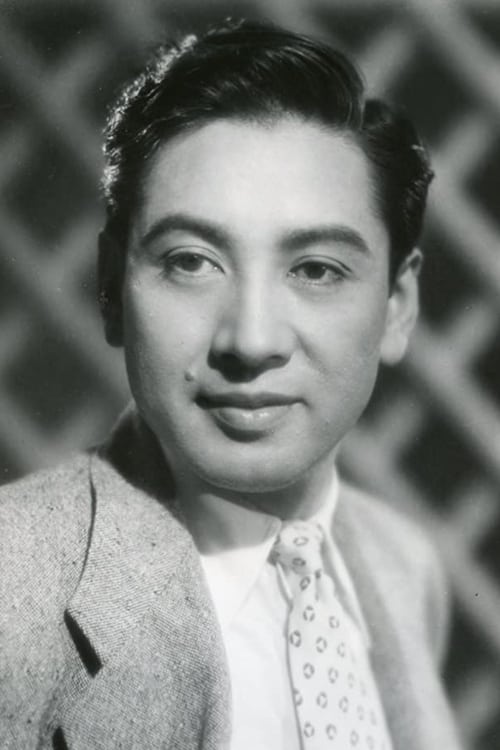
Kazuo Hasegawa
Acting
Born 1908-02-27
Died 1984-04-06
Kyoto, Kyoto, Japan
136 credits
Kikuta Kazuo engeki shō 1
People's Honour Award 1
Medal with Purple Ribbon 1
Kikuchi Kan Prize 1
Awards
Won 1 Kikuta Kazuo engeki shō Award
Kikuta Kazuo engeki shō 1 won
- — Kikuta Kazuo engeki shō Won
People's Honour Award 1 won
- 1984 People's Honour Award Won
Medal with Purple Ribbon 1 won
- 1965 Medal with Purple Ribbon Won
Kikuchi Kan Prize 1 won
- 1957 Kikuchi Kan Prize Won
Award data from Wikidata (CC0). Coverage may be incomplete.
Read biography
Kazuo Hasegawa was a Japanese film and stage actor. He appeared in over 300 films from 1927 to 1963.
Born to a sake brewing family in Kyoto, he first appeared on stage at age five in a theater run by his family as a side business. In 1918, he became a student of Nakamura Ganjirō I and performed kabuki in the Kansai region. He joined the Shochiku studio in 1927 and made his film debut in Chigo no kenpō under the name Chōjirō Hayashi. His good looks and graceful fighting style made him a major jidaigeki star, and he appeared in more than 120 films for Shochiku in 11 years, with the best works being directed by Teinosuke Kinugasa. He moved to the Toho studio in 1937. On 11 November 1937, however, he was attacked by ruffians and his face slashed with razor blades. According to the historian Daisuke Miyao, "Even though there was no clear evidence, it was widely assumed that this violent incident was Shochiku's retaliatory measure against Hayashi's so-called betrayal." He recovered and changed his stage name to his real name, Kazuo Hasegawa. Hasegawa appeared in many successful films for Toho, including several "national-policy pictures with Chinese settings," such as Song of the White Orchid (1939) and China Night (1940), with co-star Ri Koran. He moved to Daiei Film in 1950 and continued appearing in the popular Zenigata Heiji series. He also appeared in many classic films including Kozaburo Yoshimura's The Tale of Genji (1951), Kinugasa's Gate of Hell (1953), and Kenji Mizoguchi's The Crucified Lovers (1954). He was appointed to Daiei's board of directors in 1957. To celebrate his 300th film, Hasegawa appeared in a new version of Yukinojō henge (known abroad as An Actor's Revenge) in 1963, directed by Kon Ichikawa. He left Daiei that year and continued to appear on stage and television, including starring in the second NHK Taiga drama Akō Rōshi in 1964. He also directed the Takarazuka Revue version of The Rose of Versailles in 1974.
Not enough member ratings yet.
Sign in to rate.
Filmography
— top 60 of 136
Acting
22 credits
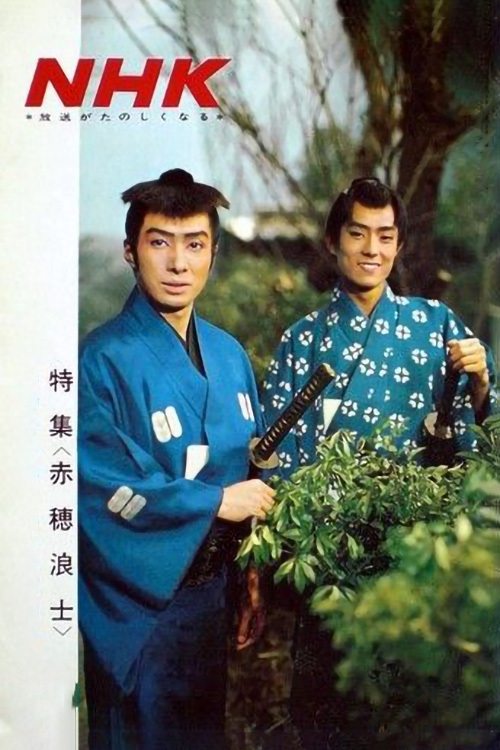
Akō Rōshi

Chikamatsu Monogatari
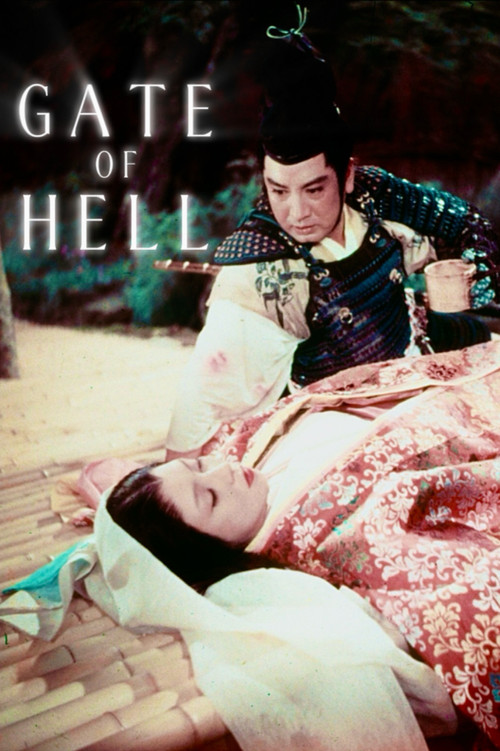
Gate of Hell
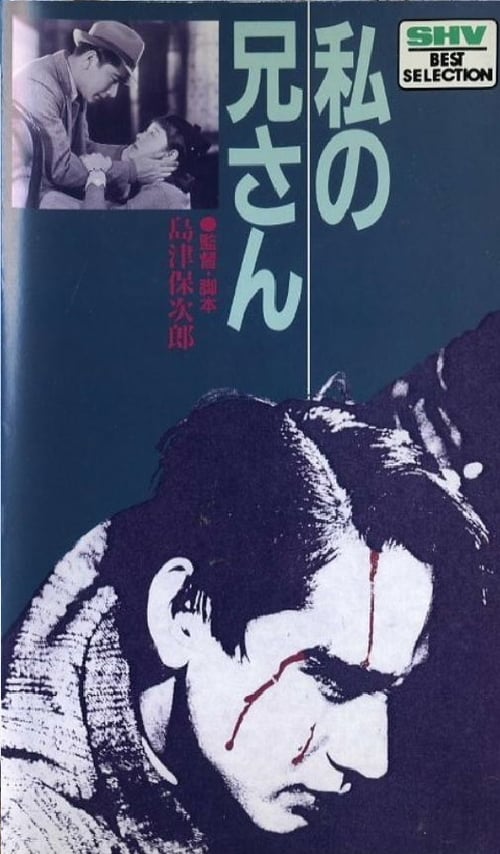
My Elder Brother
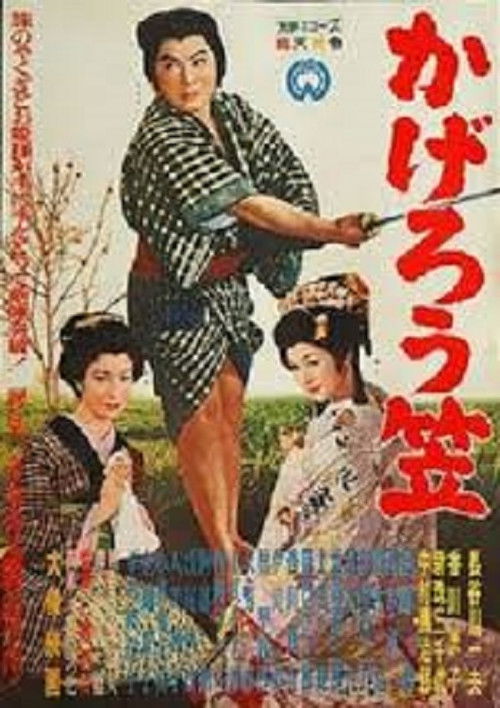
Gambler and the Princess

An Heir's Place
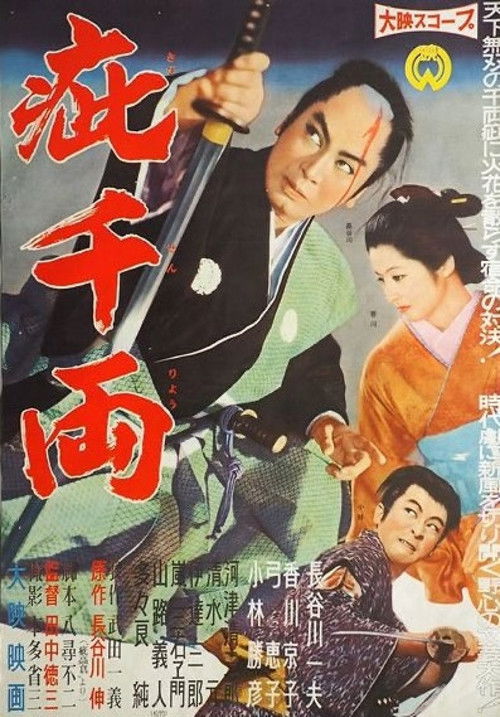
Scars of Honor
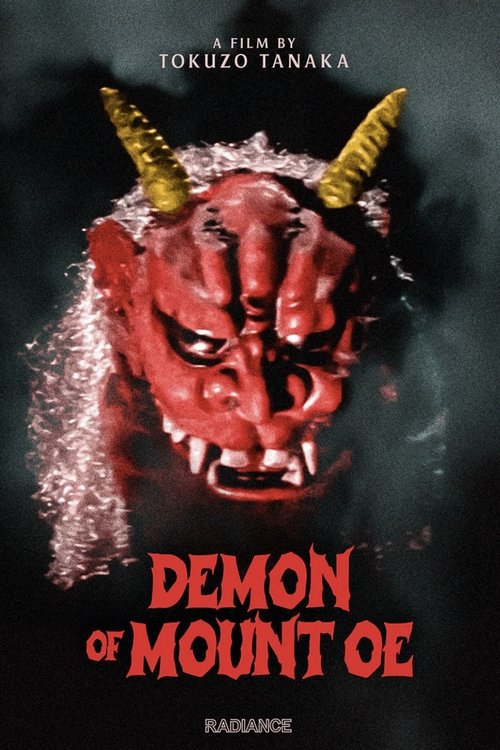
The Demon of Mount Oe
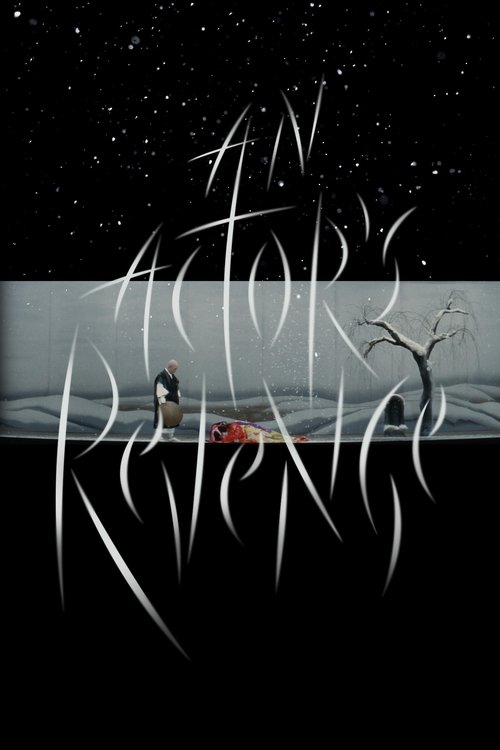
An Actor's Revenge
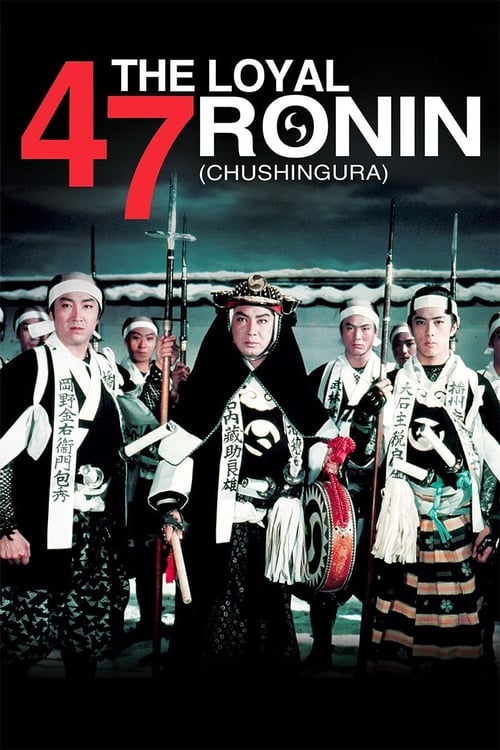
The Loyal 47 Ronin
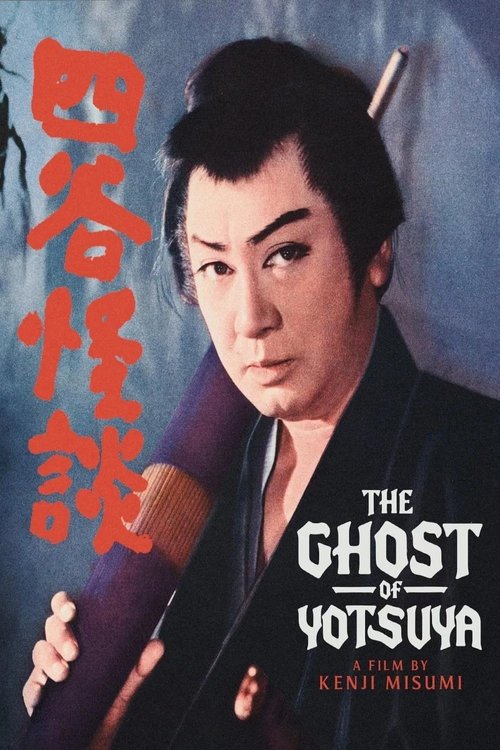
The Ghost of Yotsuya

Jirocho Fuji
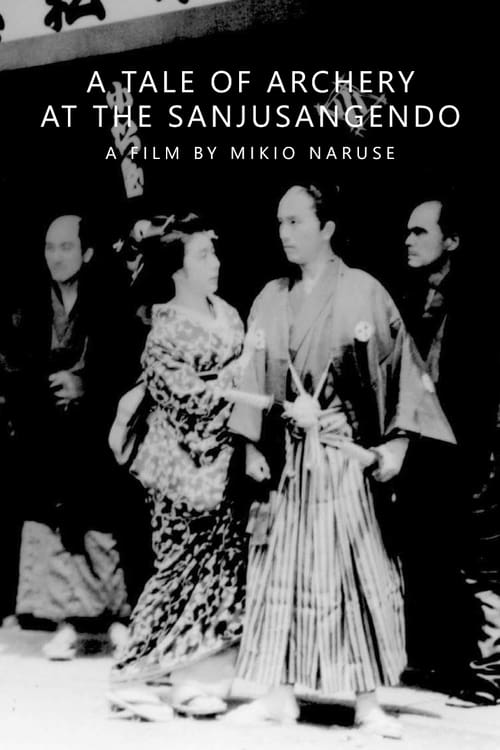
A Tale of Archery at the Sanjusangendo
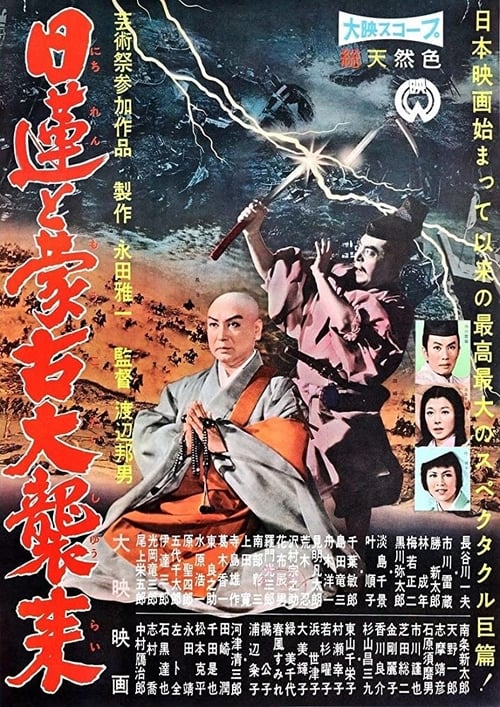
Nichiren and the Great Mongol Invasion
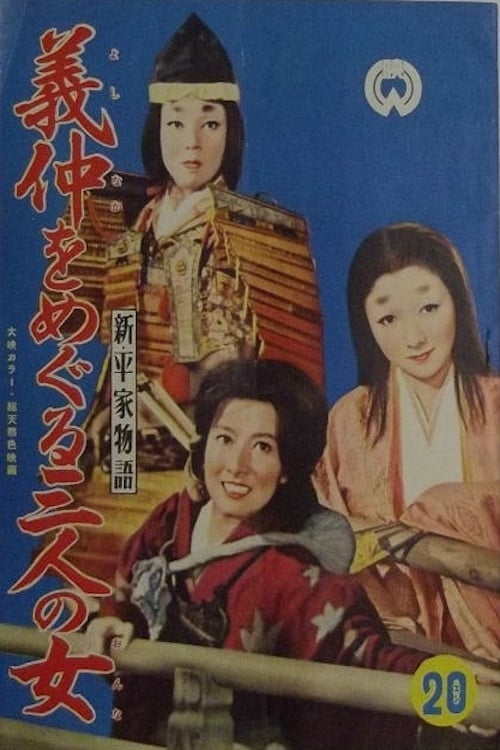
Three Women Around Yoshinaka
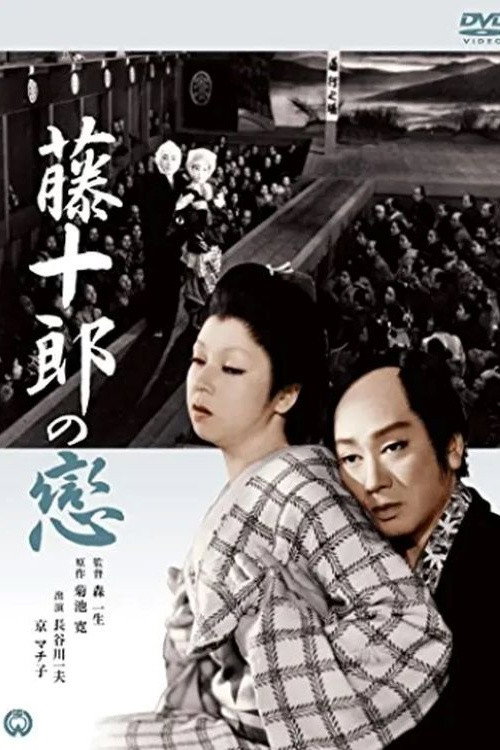
Tôjûrô no koi
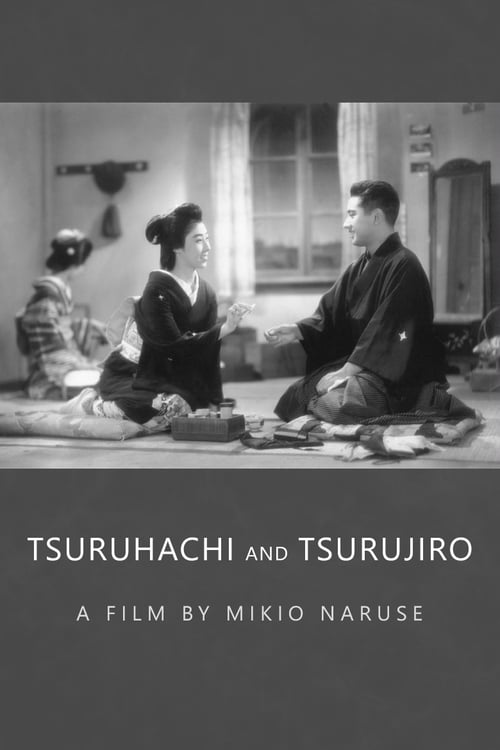
Tsuruhachi and Tsurujiro
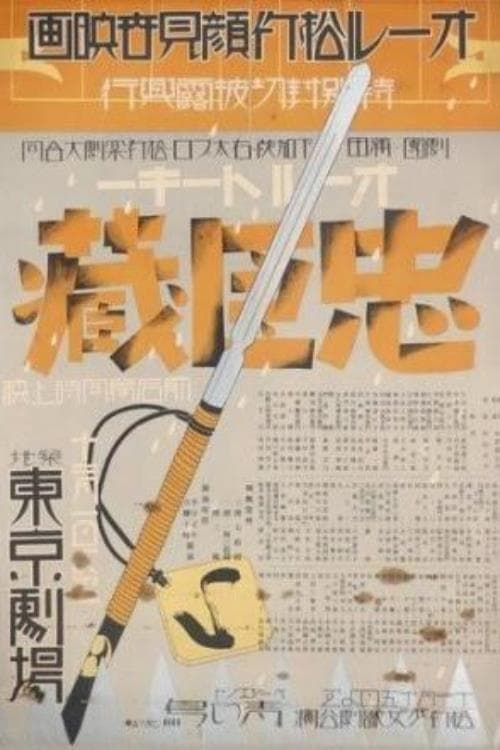
The Loyal 47 Ronin
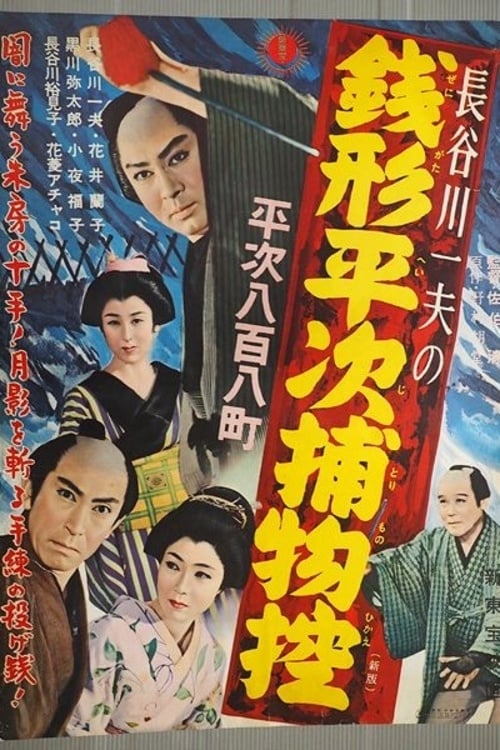
Case Files of Zenigata Heiji: Heiji Covers All of Edo
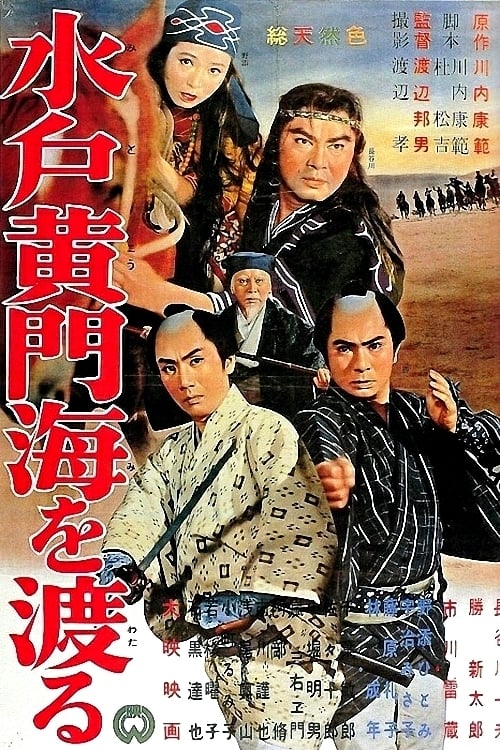
Mito Komon’s Journey to Ezo
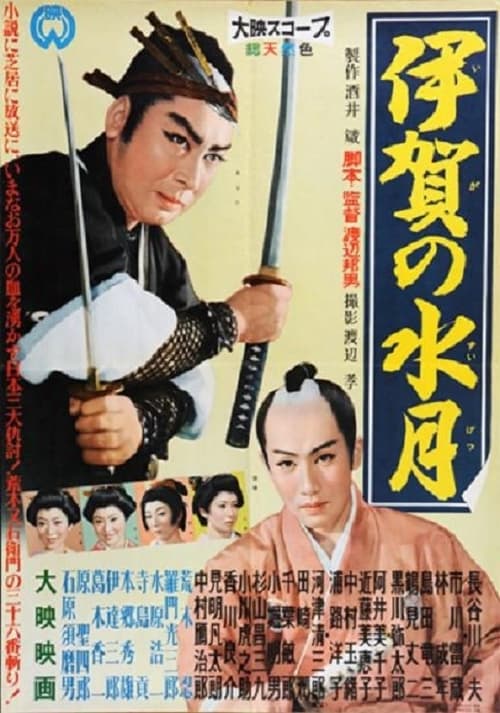
Ambush at Iga Pass

The Tale of Genji
Other credits
38 credits

The Two Musashis
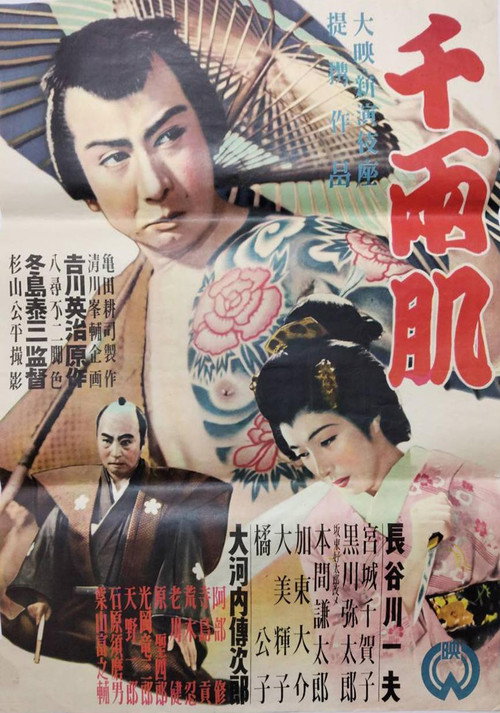
Senryō hada
Dance of the Capital
Zoku hebi hime dōchū

Kurotegumi Sukeroku
Oni azami
With a Single Sword Bale
A Samurai's Love
Tsuki no wataridori
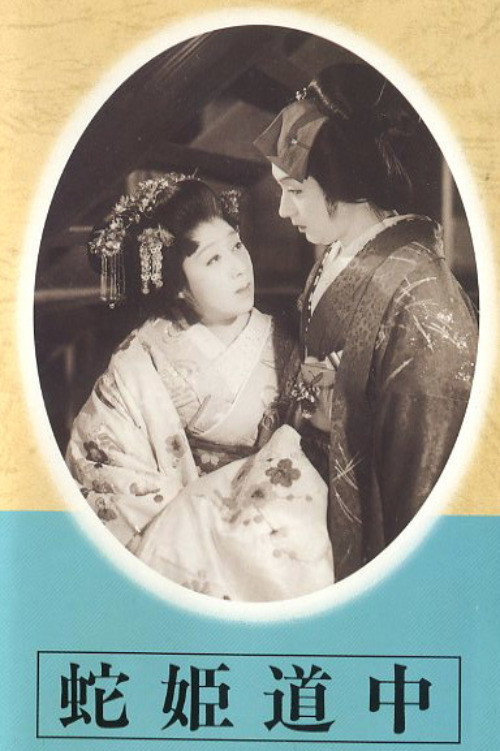
Hebi hime dōchū
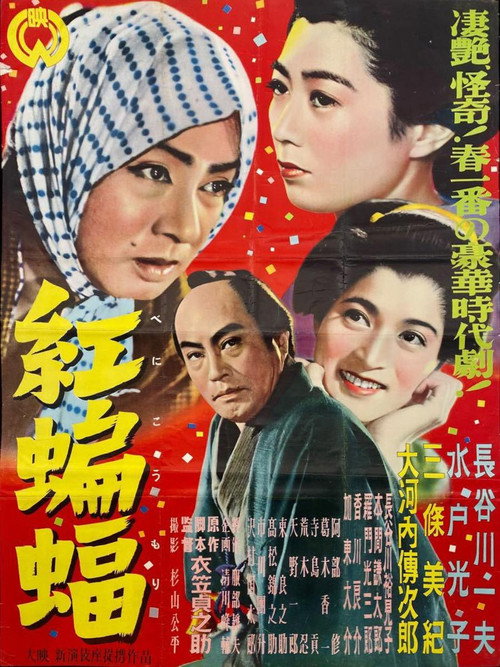
The Scarlet Bat
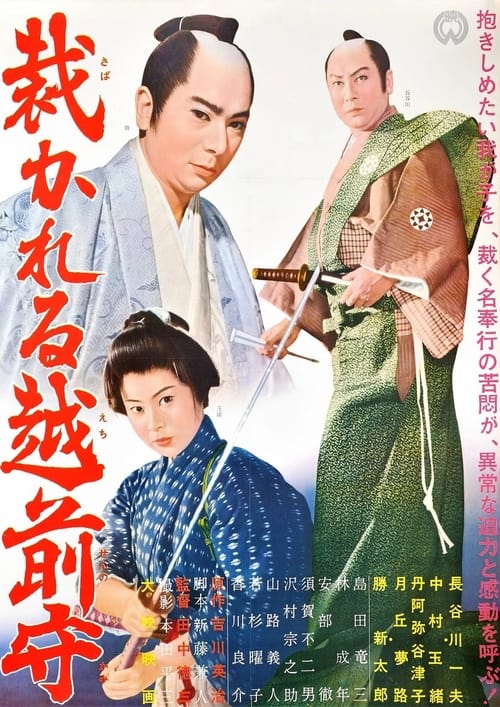
Sabakareru Echizen no kami
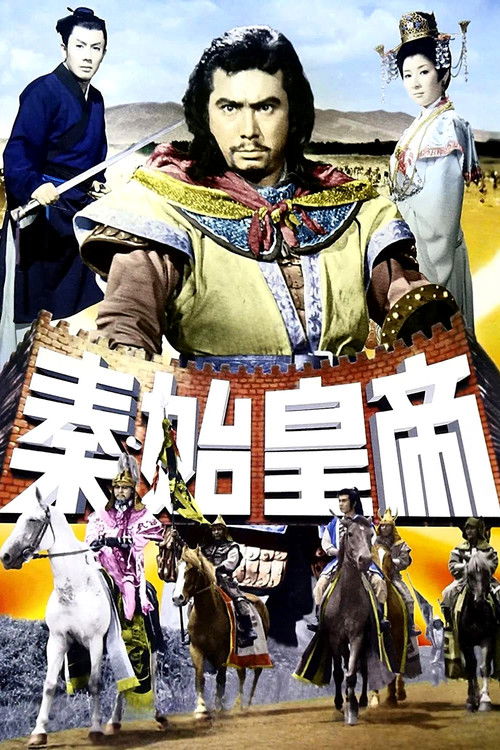
The Great Wall
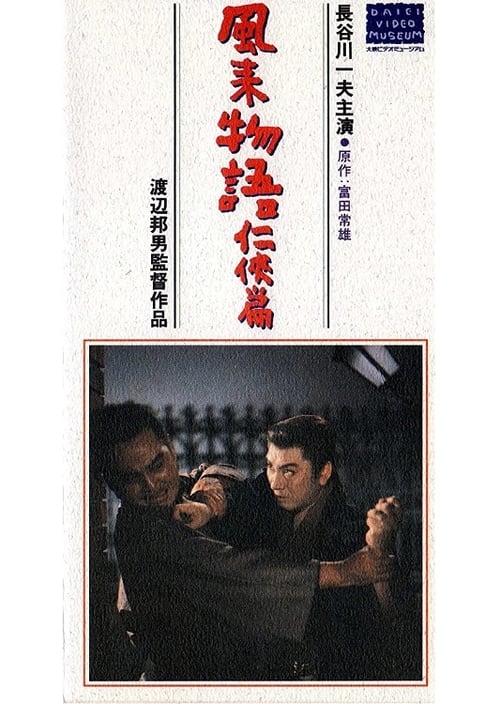
風来物語任侠篇
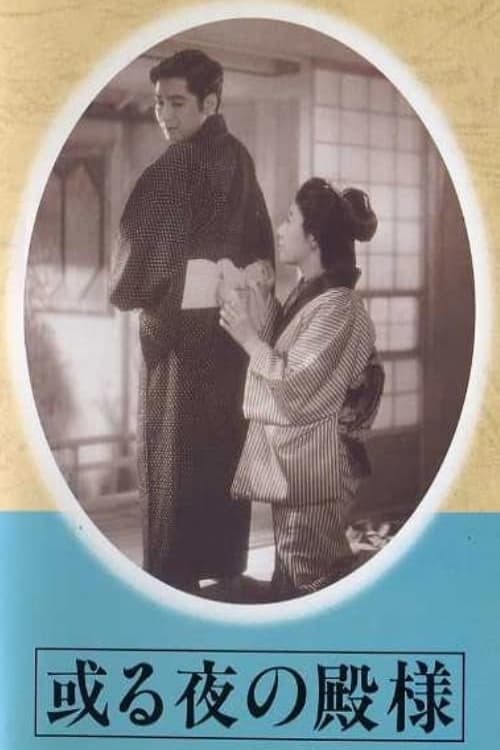
Lord for a Night
Rain on Jogashima
Jirocho Fuji 2: The Chivalrous
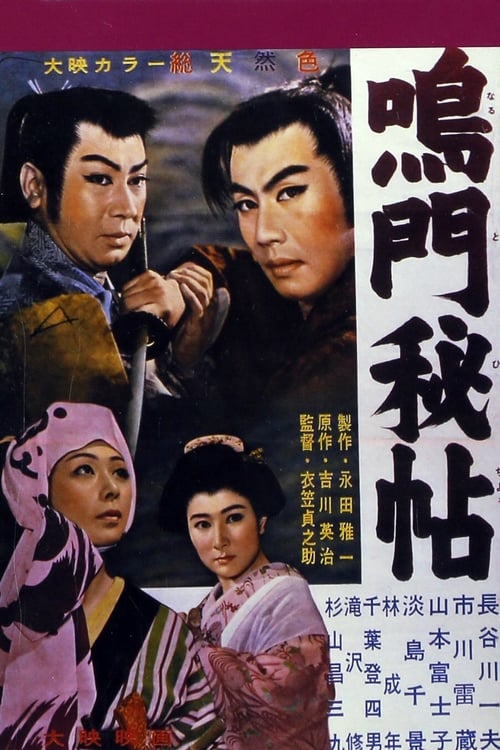
Secret of Naruto
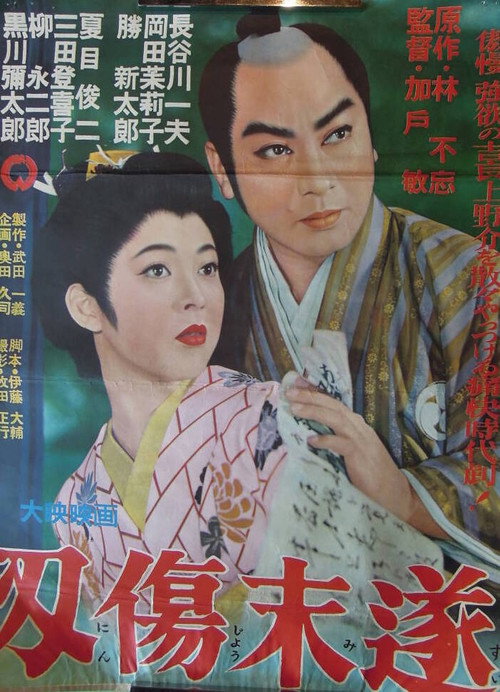
Ninjō misui
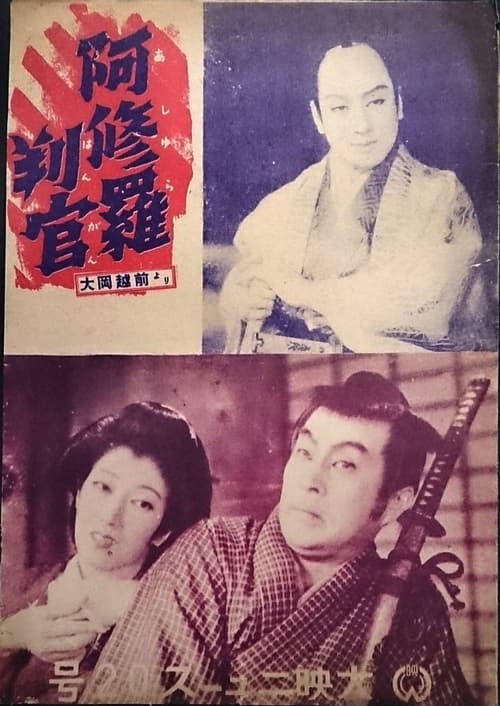
Judge of the Ashuras
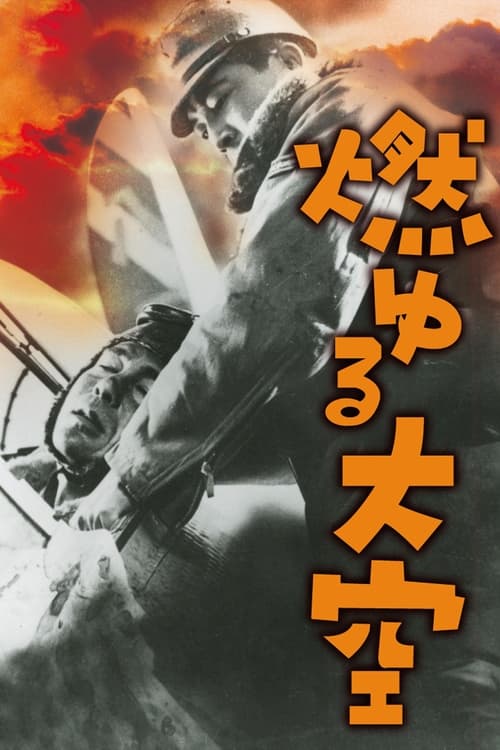
The Burning Sky
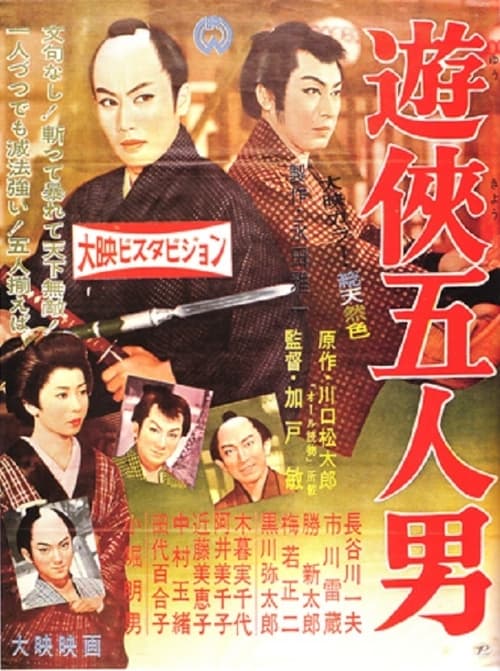
The Magnificent Five
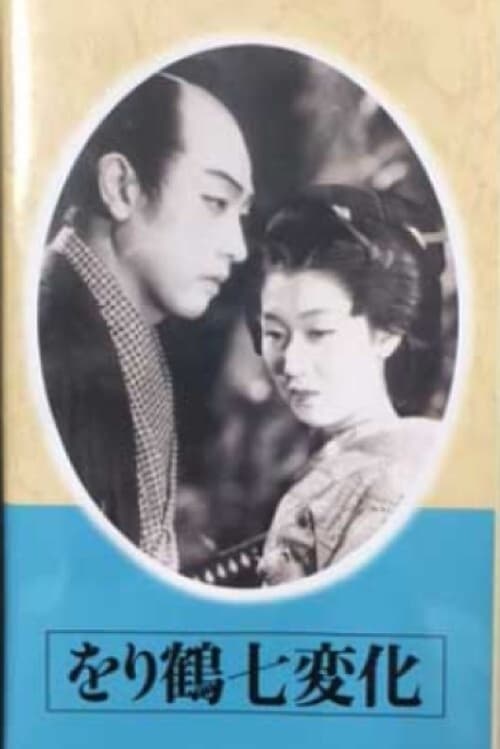
The Seven Changes of a Paper Crane (Part 1)
Rikugun Daikoshin
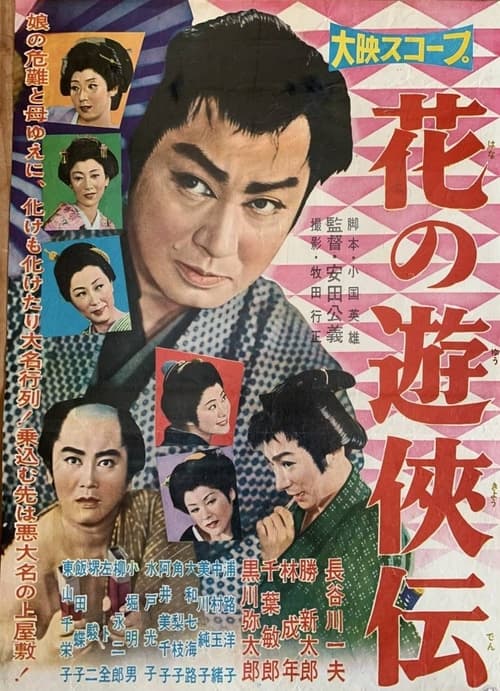
Hana no yukyo-den
Dedication of the Great Buddha
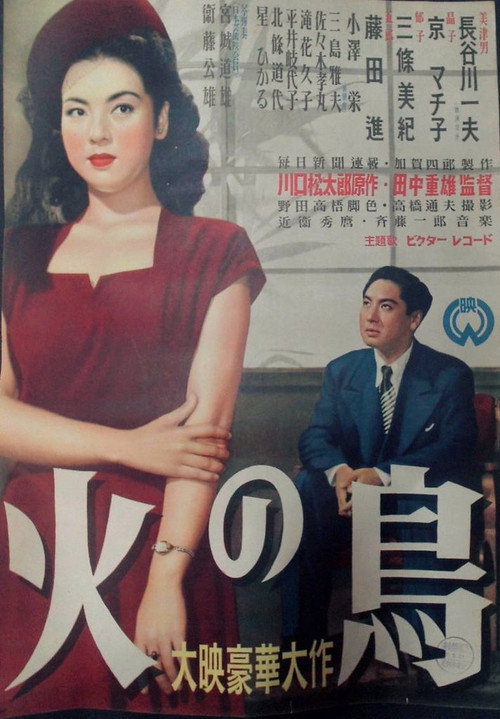
Phoenix
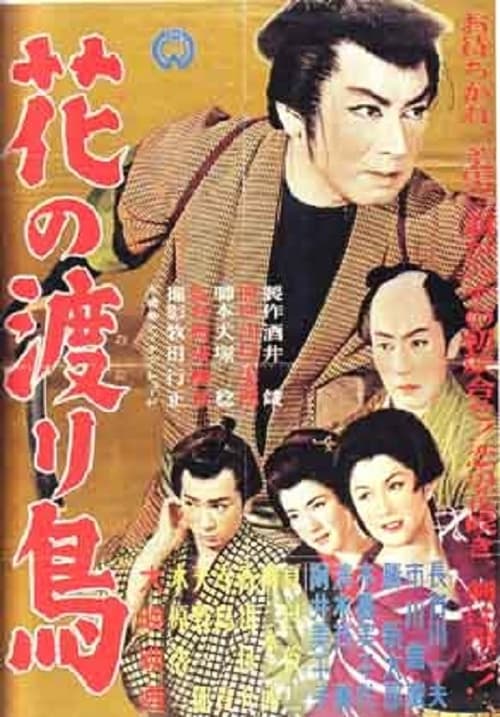
Migratory Birds of the Flowers
Yukinojō henge, Kanketsu-hen
Orizuru kasa
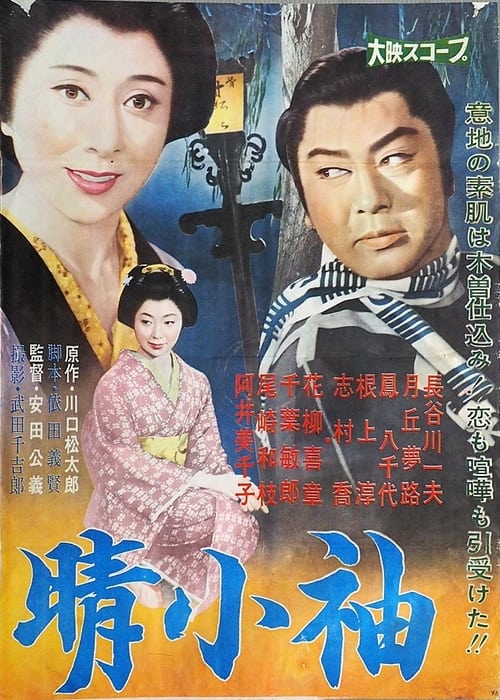
晴小袖
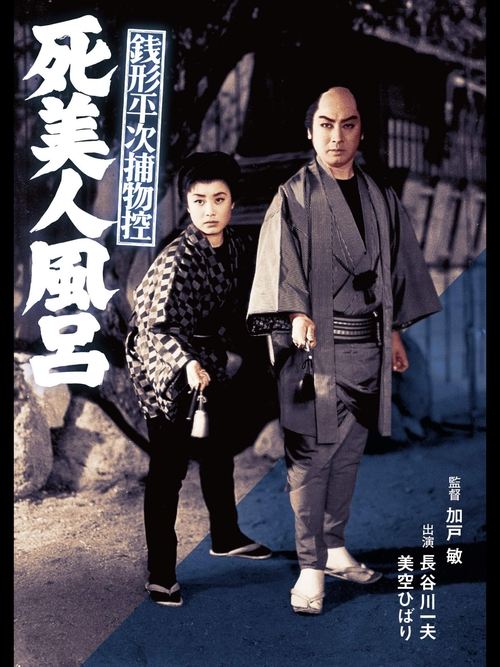
Case Files of Zenigata Heiji: The Dead Beauty in the Bathhouse
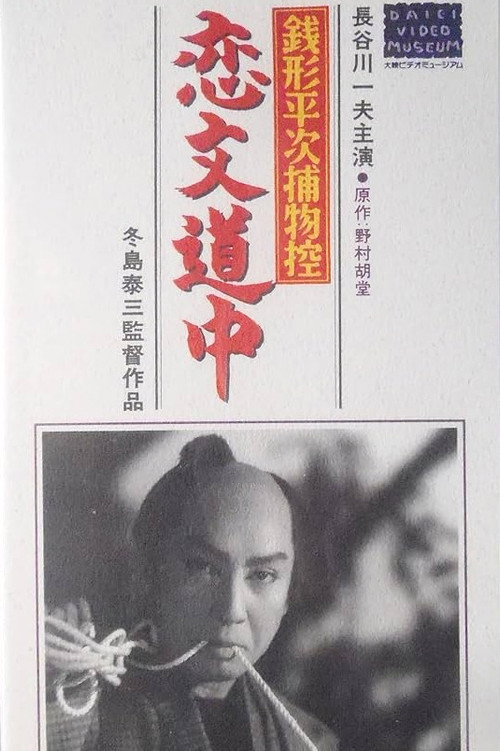
Zenigata heiji torimono hikae: Koibumi dōchū
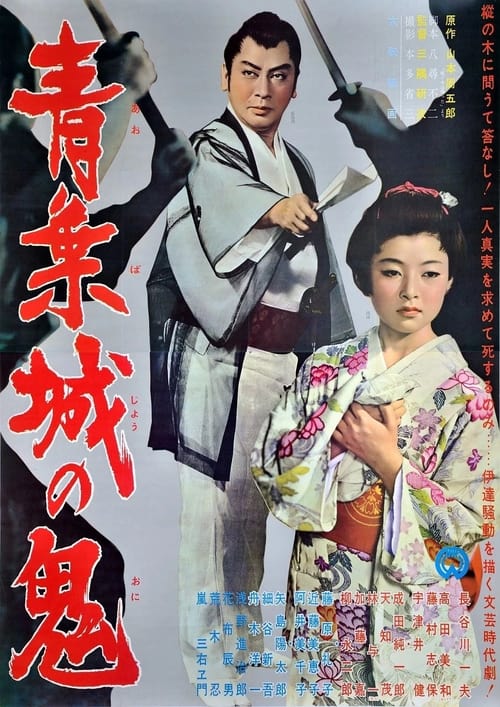
The Demon of Sendai's Castle
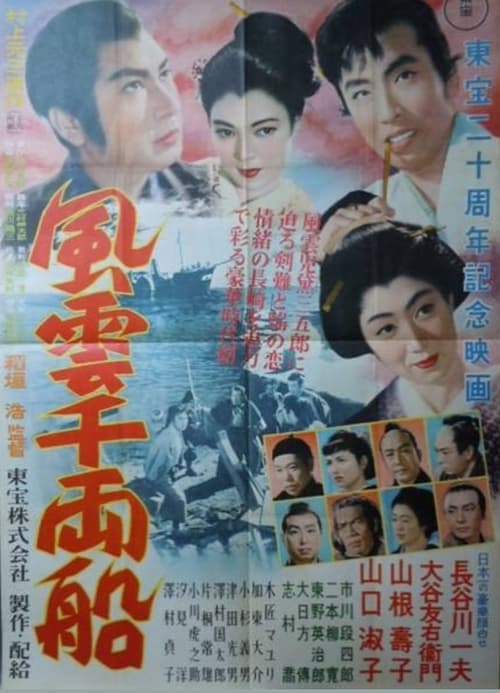
One Thousand Ryo Ship in the Wind and Clouds
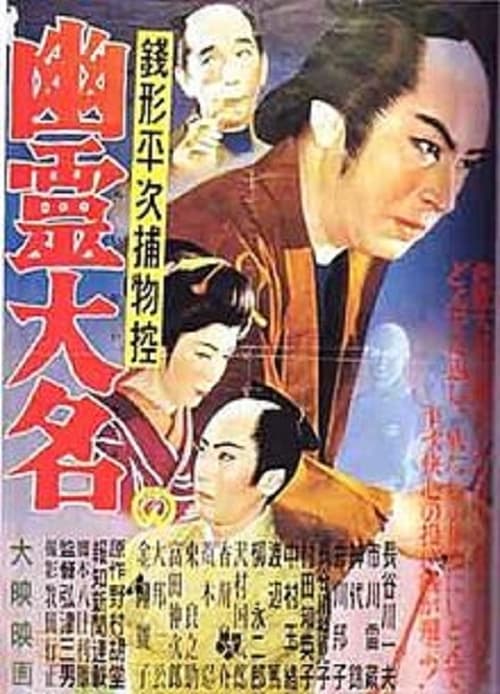
Case Files of Zenigata Heiji: Ghost Lord
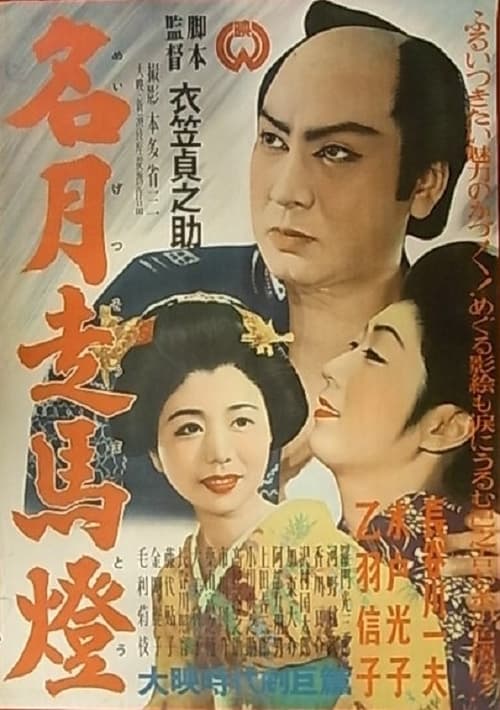
Lantern Under a Full Moon
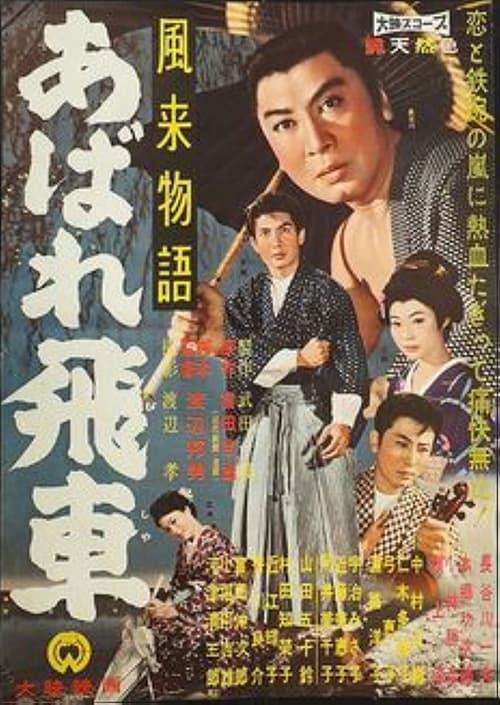
風来物語 あばれ飛車
Track what you watch
DuckTrack members see which of these they have already watched,
right here on this page.
Create a free account
Comments
0 commentsNo comments yet. Sign in to be the first.